
Migration Safaris • 8 Days
8-Day Calving Season Safari
Witness the extraordinary spectacle of new life on the plains: an 8-day, halal-friendly safari through Tarangire, the Na…
8 Days1-12 PeopleFrom $4,300/pp
ModerateView Details →

By Category
Popular Destinations
Not Sure Where to Start?
Let us craft a bespoke itinerary based on your interests, budget, and travel dates.
Climbing Routes
Machame Route
Whiskey Route
Resources
Explore Tanzania
Discover More
All Destinations →From the endless plains of the Serengeti to the spice islands of Zanzibar.
Overview
Why You'll Love This Safari
Tour Route
Your Journey
Your Magnificent Crossing Safari begins with your arrival at Kilimanjaro International Airport, where our team meets you with a warm Karibu and transfers you to your hotel in Arusha. Nestled beneath the towering silhouette of Mount Meru, Arusha is the safari capital of Tanzania and the launching point for the country's legendary northern circuit. After checking in and freshening up, you meet your dedicated safari guide for a comprehensive briefing on the eight days ahead. Your guide covers the current position of the Great Migration herds, expected river crossing activity in the Northern Serengeti, and practical advice for maximizing wildlife sightings and photographic opportunities. The briefing also covers the unique cultural experience planned at Lake Eyasi and the volcanic landscapes of Lake Natron that make this itinerary unlike any standard safari. If your flight arrives early enough, take time to explore the hotel grounds where resident birds including superb starlings, speckled mousebirds, and African paradise flycatchers offer a gentle introduction to Tanzania's remarkable biodiversity. A welcome dinner of locally sourced Tanzanian cuisine rounds out the evening, setting the tone for the authentic experiences that define this journey. Rest well tonight, because tomorrow takes you to one of East Africa's most remote and otherworldly landscapes.
An early morning departure takes you north from Arusha on a scenic drive through Maasai steppe country, passing through the market town of Mto wa Mbu and climbing up and over the Great Rift Valley escarpment. The landscape transforms dramatically as you descend toward Lake Natron, one of East Africa's most remote and visually striking destinations. This shallow alkaline lake sits at the base of Ol Doinyo Lengai, Tanzania's only active volcano, whose symmetrical cone rises sharply against the Rift Valley sky. Lake Natron is the primary breeding site for approximately 2.5 million lesser flamingos, and during breeding season the lake's shallows shimmer with vast pink congregations feeding on the spirulina algae that thrives in the caustic water. The mineral-rich shoreline creates surreal patterns of red, white, and orange salt crusts that look extraterrestrial. After settling at your camp, an afternoon walk to the Ngare Sero waterfall takes you through a narrow gorge carved into volcanic rock, with a refreshing natural pool at the base where you can swim surrounded by lush vegetation fed by a hot spring. Your guide explains the geology of the Rift Valley and the volcanic forces that created this harsh but beautiful landscape. Evening brings spectacular sunset views over the lake with Ol Doinyo Lengai silhouetted against a sky streaked crimson and gold. The remoteness of Lake Natron means minimal light pollution, and the night sky here is among the most spectacular in Tanzania.
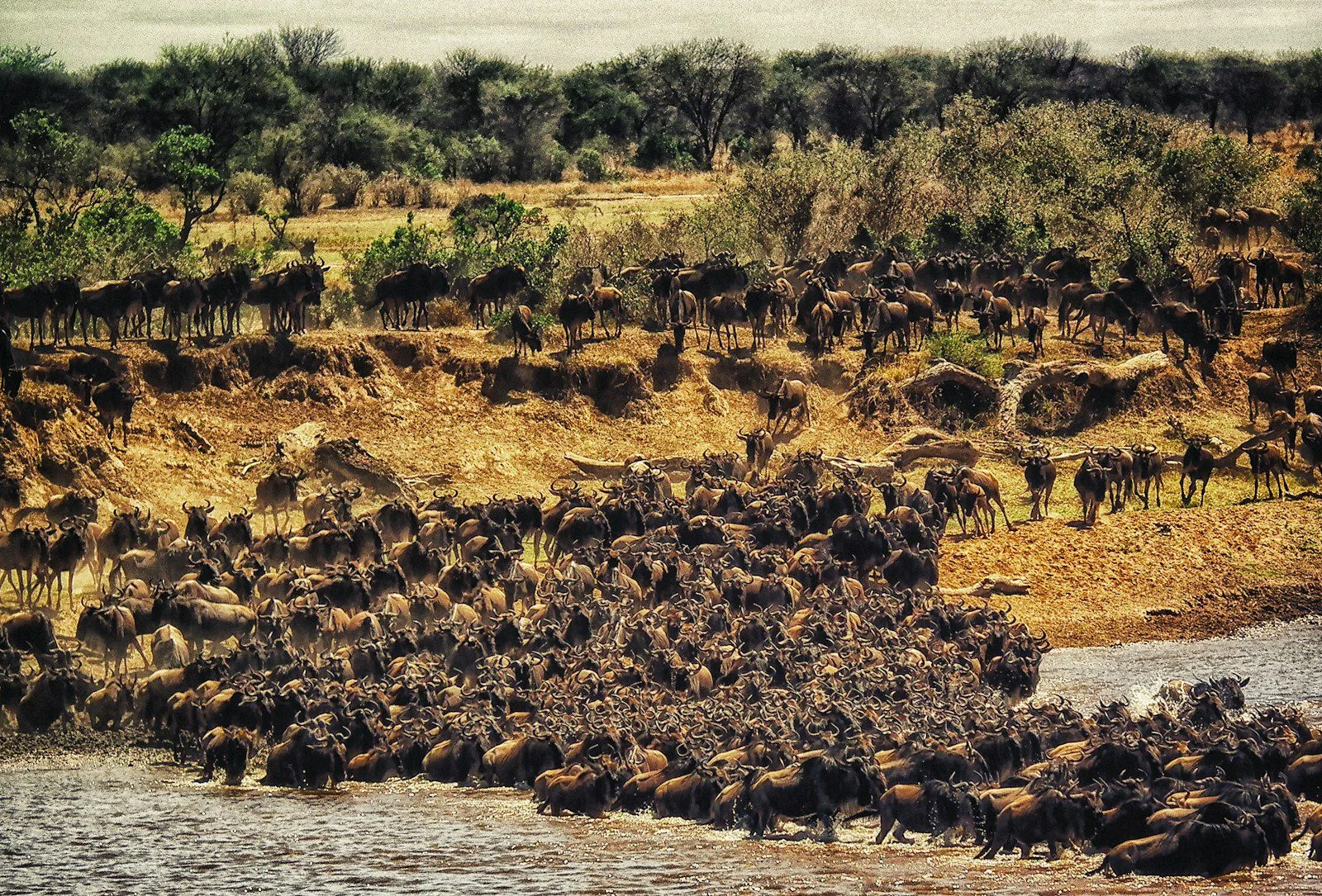
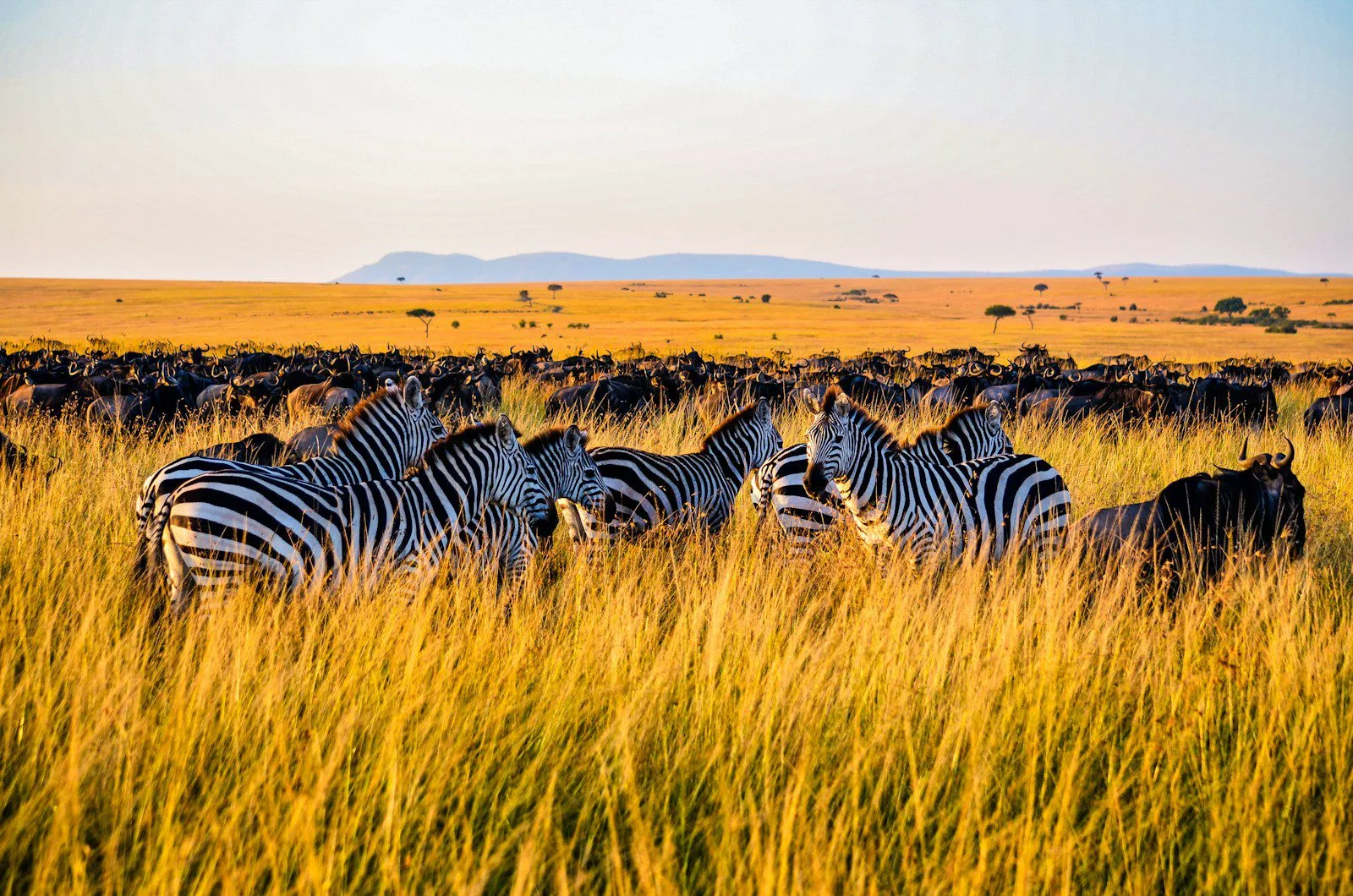
Today is one of the most anticipated days of the safari as you leave Lake Natron and drive westward into the Northern Serengeti through the remote Kleins Gate entrance. This approach to the Serengeti is used by very few safari operators, and it delivers you directly into the Kogatende area, the epicenter of the Great Migration river crossing action between July and October. The drive itself is a game drive, with wildlife sightings beginning the moment you enter the park boundary. The Northern Serengeti landscape is markedly different from the famous open plains of the central region. Here, the terrain is hilly and undulating, covered with mixed woodland and cut through by the Mara River and its tributaries. Arriving in the Kogatende area, your guide immediately begins scouting for migration herds and active crossing points along the Mara River. The sheer scale of the herds is staggering, with columns of wildebeest stretching to the horizon, their collective movement raising dust clouds visible from kilometers away. Even if a crossing does not occur on this first afternoon, the buildup is electrifying. Thousands of wildebeest gather on the riverbank, jostling and calling, their instinct to cross warring with their fear of the crocodile-infested waters below. Hippo pods hold their ground in the river, indifferent to the chaos above. Your guide positions the vehicle at the most promising crossing point, and you settle in to watch nature's tension unfold.
A full day in the Northern Serengeti maximizes your chances of witnessing the Great Migration river crossing, one of the most dramatic wildlife events on Earth. Your guide wakes you before dawn and heads to the Mara River crossing points where thousands of wildebeest may have gathered overnight. The crossings are entirely unpredictable. Sometimes the herds commit at first light, pouring into the river in a thundering, chaotic mass that can last thirty minutes or more. Other times they approach the bank, test the water, and retreat, only to try again hours later at a different point. When a crossing begins, the spectacle is overwhelming. Wildebeest leap from the steep banks into the churning brown water, swimming desperately for the far side while Nile crocodiles up to five meters long launch attacks from below. On the far bank, lions may wait in ambush, picking off exhausted animals as they scramble up the muddy slopes. Vultures and marabou storks gather in the trees, waiting for the inevitable casualties. Between crossing attempts, your guide explores the surrounding area where the migration herds create a wildlife bonanza. Predators follow the herds relentlessly. Lion prides in the Northern Serengeti are specialists in wildebeest hunting, and leopards frequent the riverside woodland where prey concentrations are highest. A picnic lunch in the bush keeps you in the field for the entire day, maximizing every opportunity. The afternoon drive continues along the river, checking multiple crossing points and tracking predator activity until the golden evening light signals time to return to camp.
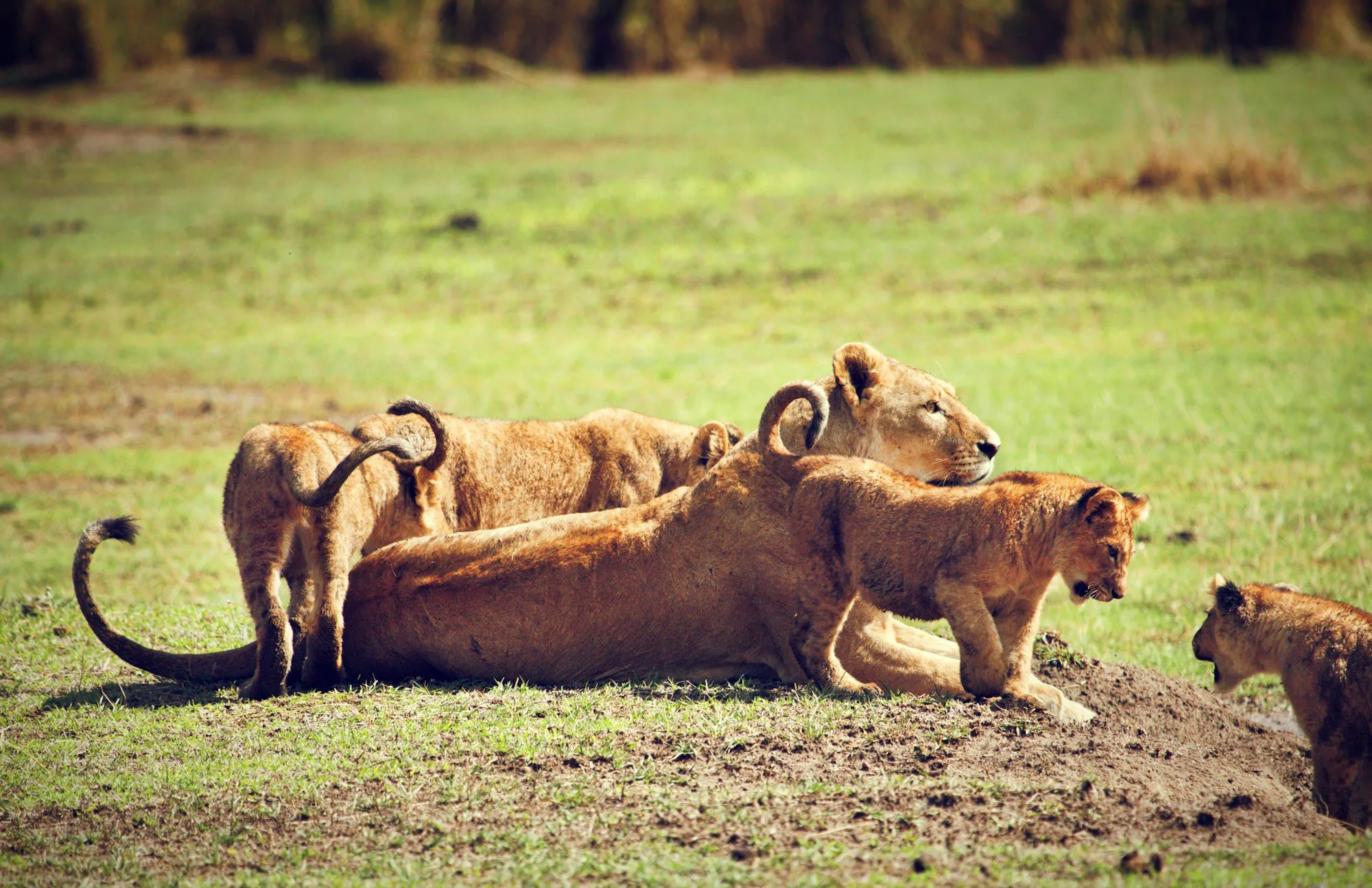
Departing the Northern Serengeti after a final early morning game drive along the Mara River, you travel south toward the Central Serengeti, often called the African Mecca for its extraordinary year-round wildlife concentrations. The drive between the northern and central zones is itself a game viewing experience, crossing through transitional landscapes where woodland gives way to the iconic open plains that give the Serengeti its Maasai name: Siringet, meaning "the place where the land runs on forever." Arriving in the Seronera Valley, the heart of the Central Serengeti, you enter one of the most predator-rich areas on the African continent. Resident lion prides numbering up to twenty individuals control territories along the Seronera River, while leopards drape themselves over the horizontal branches of sausage trees, their spotted coats almost invisible against the dappled bark. Cheetahs use termite mounds as elevated scanning platforms, their distinctive black tear-marks visible through binoculars at considerable distance. The Central Serengeti is also home to the famous kopjes, ancient granite outcrops that rise from the plains like stone islands. These kopjes serve as lookout posts for lions, shelter for rock hyrax colonies, and nesting sites for raptors including Verreaux's eagle-owl. Your guide navigates between the kopjes, the river crossings, and the open plains, reading animal behavior and positioning for the best possible wildlife encounters as the afternoon light turns golden.
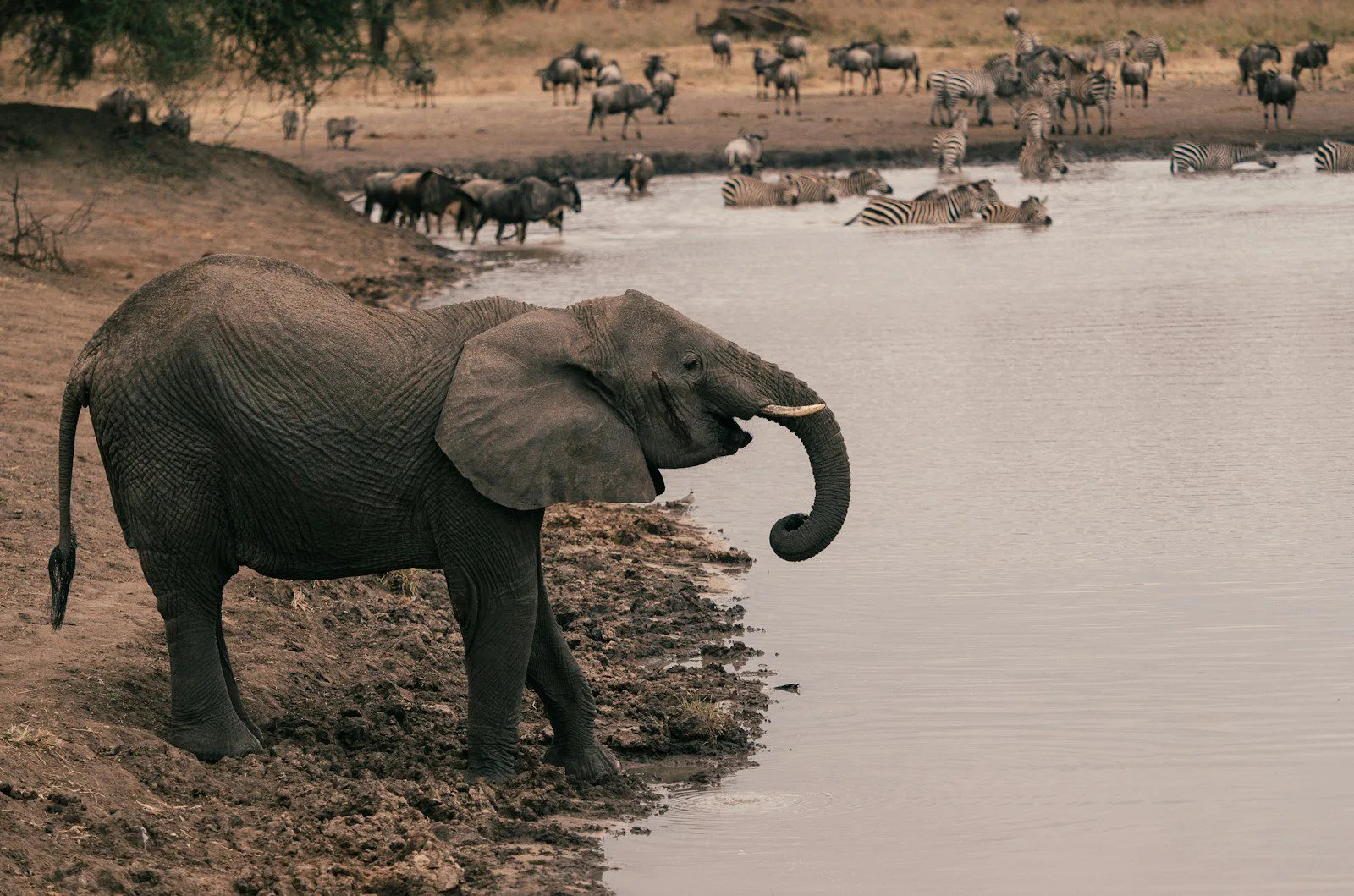
An early departure from the Serengeti takes you southeast toward the Ngorongoro Conservation Area, ascending through highland forest and grassland to the crater rim at 2,350 meters above sea level. The first view into the Ngorongoro Crater is one of Africa's most breathtaking moments: a vast caldera stretching 19 kilometers across, its walls rising 600 meters above a flat floor that contains a complete, self-sustaining ecosystem. Your vehicle descends the steep crater wall via the Seneto access road, and game viewing begins the moment you reach the floor. The crater supports approximately 25,000 large animals including the endangered black rhinoceros, a small but visible population that grazes on the open grassland. Large-tusked bull elephants, some with ivory nearly touching the ground, roam between the Lerai Forest and the plains. The crater's lion prides are among the most photographed in Africa, their unusually dark manes a distinctive genetic feature of this isolated population. Lake Magadi, the shallow alkaline lake at the crater's center, attracts flocks of flamingos whose pink reflections shimmer against the grey volcanic mud. Spotted hyena clans patrol with confidence, and serval cats hunt in the longer grass near the Ngoitokitok springs. A picnic lunch on the crater floor gives you time to absorb the magnitude of this natural amphitheater before continuing the afternoon game drive. Ascending the crater in late afternoon, you arrive at your lodge on the rim where sunset paints the caldera walls in copper and violet.
Today offers a profoundly different experience as you leave the crater highlands and descend toward Lake Eyasi, a seasonal salt lake on the southern edge of the Ngorongoro Conservation Area. Lake Eyasi is home to the Hadzabe, one of the last remaining hunter-gatherer communities in Africa, whose way of life has remained essentially unchanged for over 50,000 years. Arriving at the Hadzabe camp before dawn, you join a small hunting party as they set out on their morning foraging expedition. The Hadzabe hunters move through the bush with extraordinary skill, using handmade bows and poison-tipped arrows to hunt small game and birds. They communicate through a complex click language, Hadza, which linguists classify as a language isolate with no known relatives. Watching them track, stalk, and harvest food from the wild landscape is a humbling reminder of humanity's deep evolutionary relationship with the African bush. After the hunt, you sit with the community around a fire, watching them prepare food, make tools from bone and sinew, and demonstrate fire-starting techniques using nothing but wooden sticks and dried grass. You also visit the nearby Datoga tribe, skilled blacksmiths who forge arrowheads, jewelry, and tools from recycled metal. The Datoga women wear intricate beaded decorations and traditional tattoos that mark life milestones. This cultural immersion adds a powerful human dimension to the safari, connecting wildlife and landscape to the communities who have coexisted with them for millennia. Return to your lakeside lodge for a reflective final evening.
Your final morning in Tanzania begins with sunrise over Lake Eyasi, its seasonal waters reflecting the pastel colors of the early sky. After a leisurely breakfast at the lodge, you depart for the drive back to Arusha, a journey that takes you through the rolling farmland of Karatu and past the Ngorongoro Conservation Area gate, where Maasai pastoralists move their cattle across highland grasslands in scenes unchanged for centuries. Your guide shares final insights about the landscapes passing outside the window, from the coffee and banana plantations of the Karatu highlands to the bustling market towns where Iraqw, Maasai, and Datoga communities trade alongside each other. Arriving in Arusha around midday, you are transferred to Kilimanjaro International Airport for your onward flight, or to your hotel if extending with a Zanzibar beach holiday or Kilimanjaro climb. As you depart, the memories of the past eight days crystallize: the thundering chaos of wildebeest plunging into the Mara River, the surreal pink flamingo flocks at Lake Natron, the silent intensity of a Hadzabe hunter drawing his bow, and the overwhelming abundance of life on the Ngorongoro Crater floor. This was not a standard safari. This was a journey into the magnificent heart of Tanzania.
What to Expect
Visual Journey
More Adventures
Witness the extraordinary spectacle of new life on the plains: an 8-day, halal-friendly safari through Tarangire, the Na…
A 9-day safari through Tanzania's classic northern circuit — Arusha National Park, Tarangire, the Ngorongoro Highlands, …
Follow the Great Migration across the Serengeti on this 7-day safari timed to witness dramatic river crossings, predator…
Let us craft your dream safari. Contact our team today and we'll design a personalized itinerary just for you.