
Migration Safaris • 7 Days
Great Migration Safari
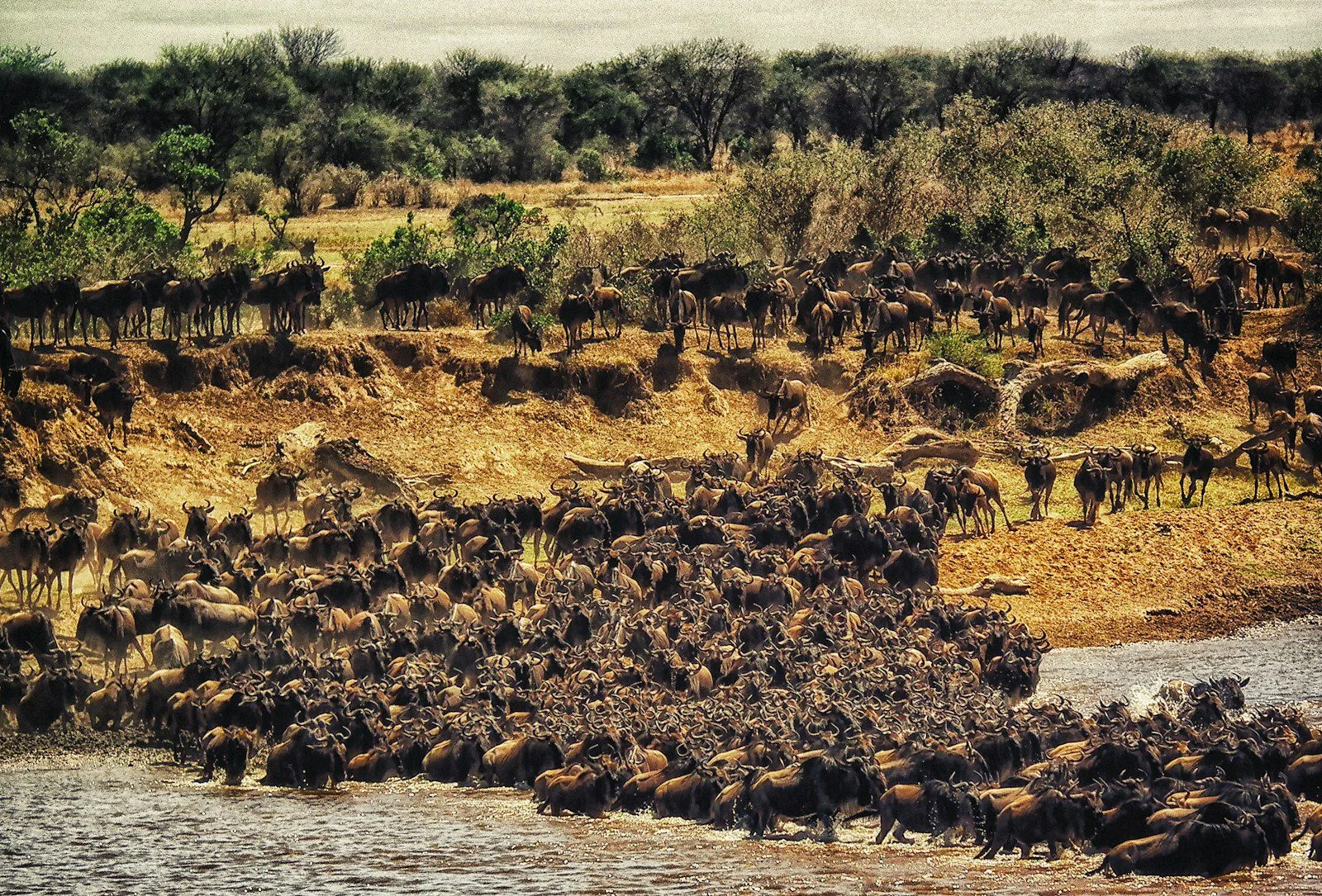
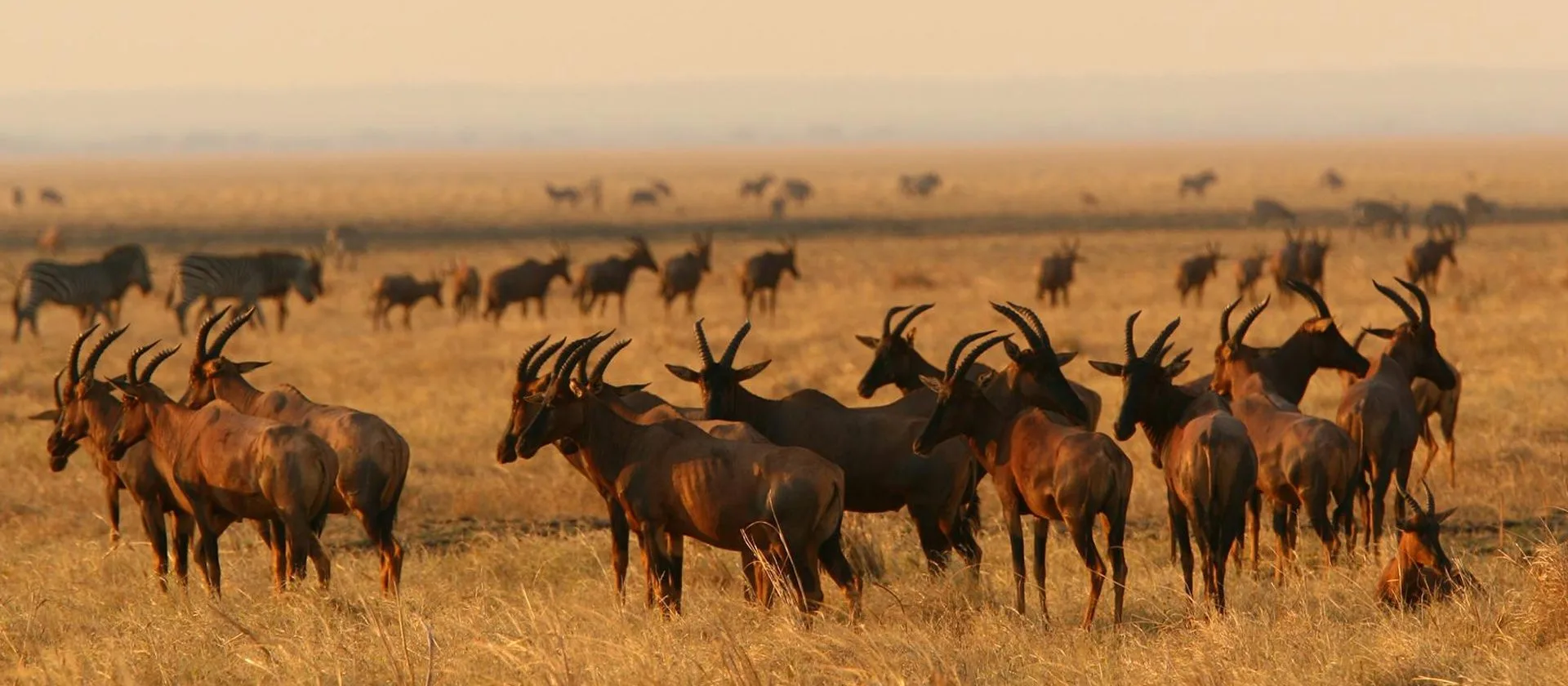
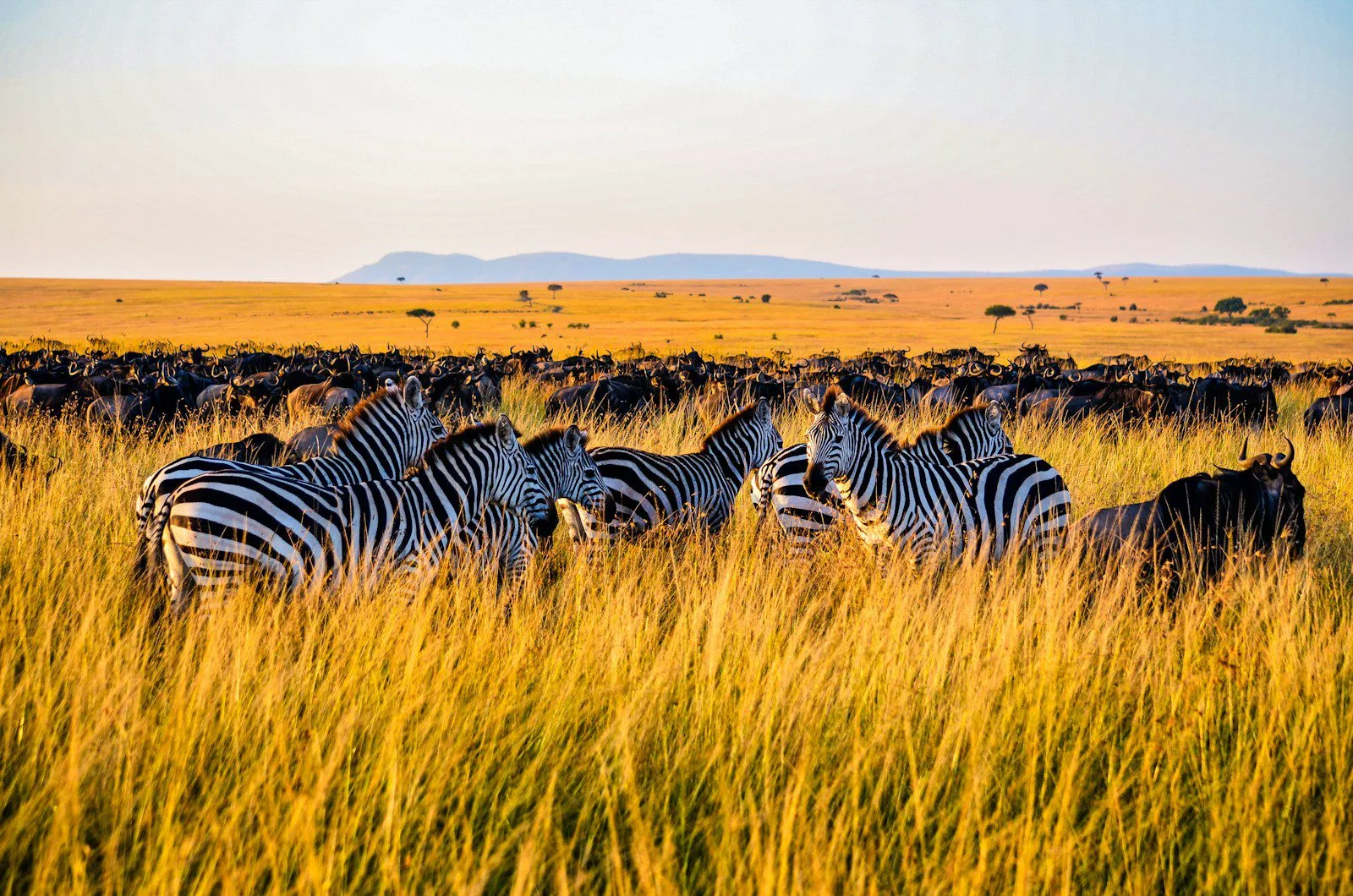
Follow the Great Migration across the Serengeti on this 7-day safari timed to witness dramatic river crossings, predator…
7 Days2-6 PeopleFrom $3,800/pp
ModerateView Details →

By Category
Popular Destinations
Not Sure Where to Start?
Let us craft a bespoke itinerary based on your interests, budget, and travel dates.
Climbing Routes
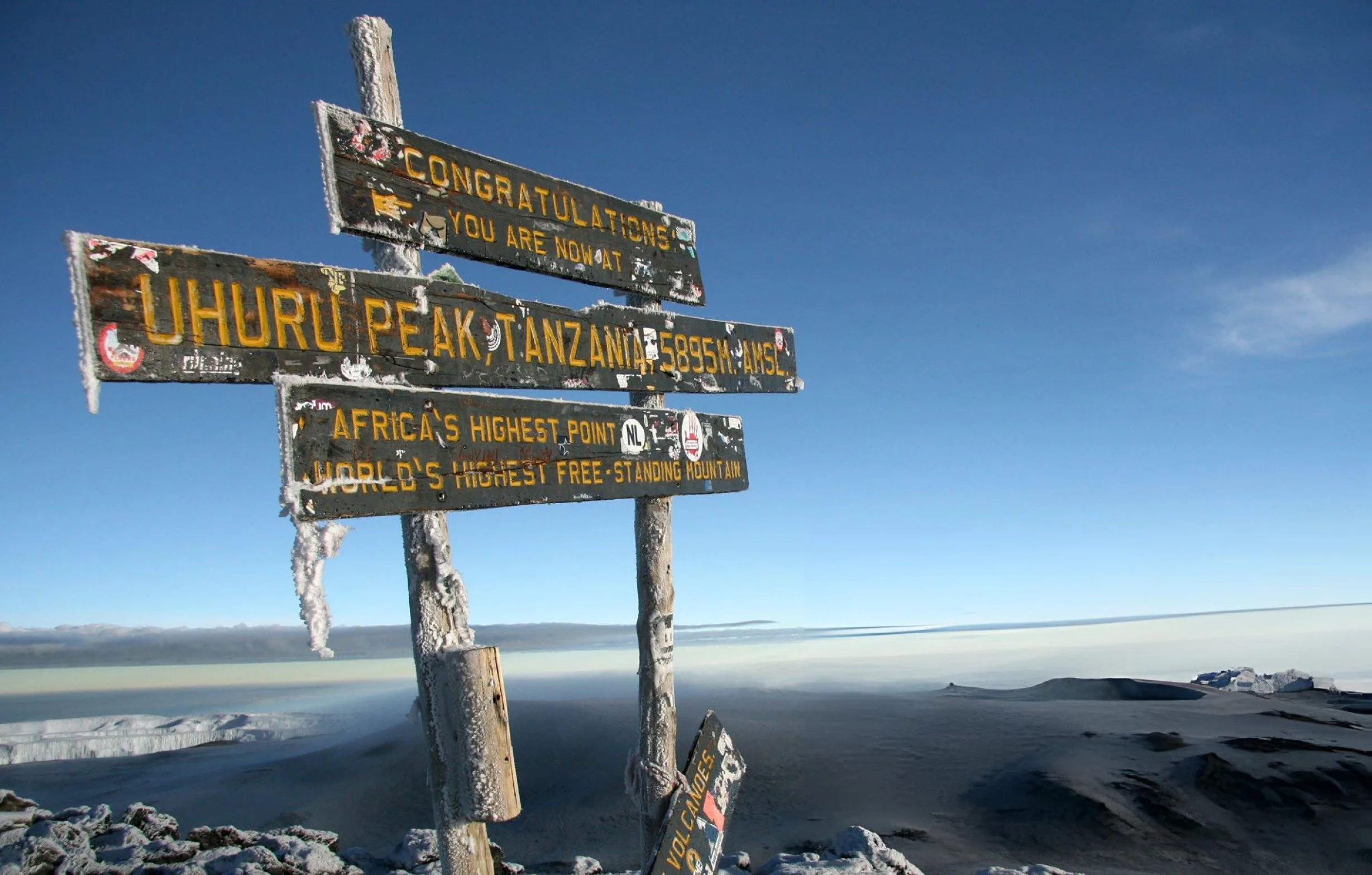
Machame Route
Whiskey Route
Resources
Explore Tanzania
Discover More
All Destinations →From the endless plains of the Serengeti to the spice islands of Zanzibar.
Overview
Why You'll Love This Safari
What to Expect
Visual Journey
More Adventures
Follow the Great Migration across the Serengeti on this 7-day safari timed to witness dramatic river crossings, predator…

Follow the rhythm of the Great Migration on this 8-day Tanzania safari through Lake Manyara, Central and Western Serenge…
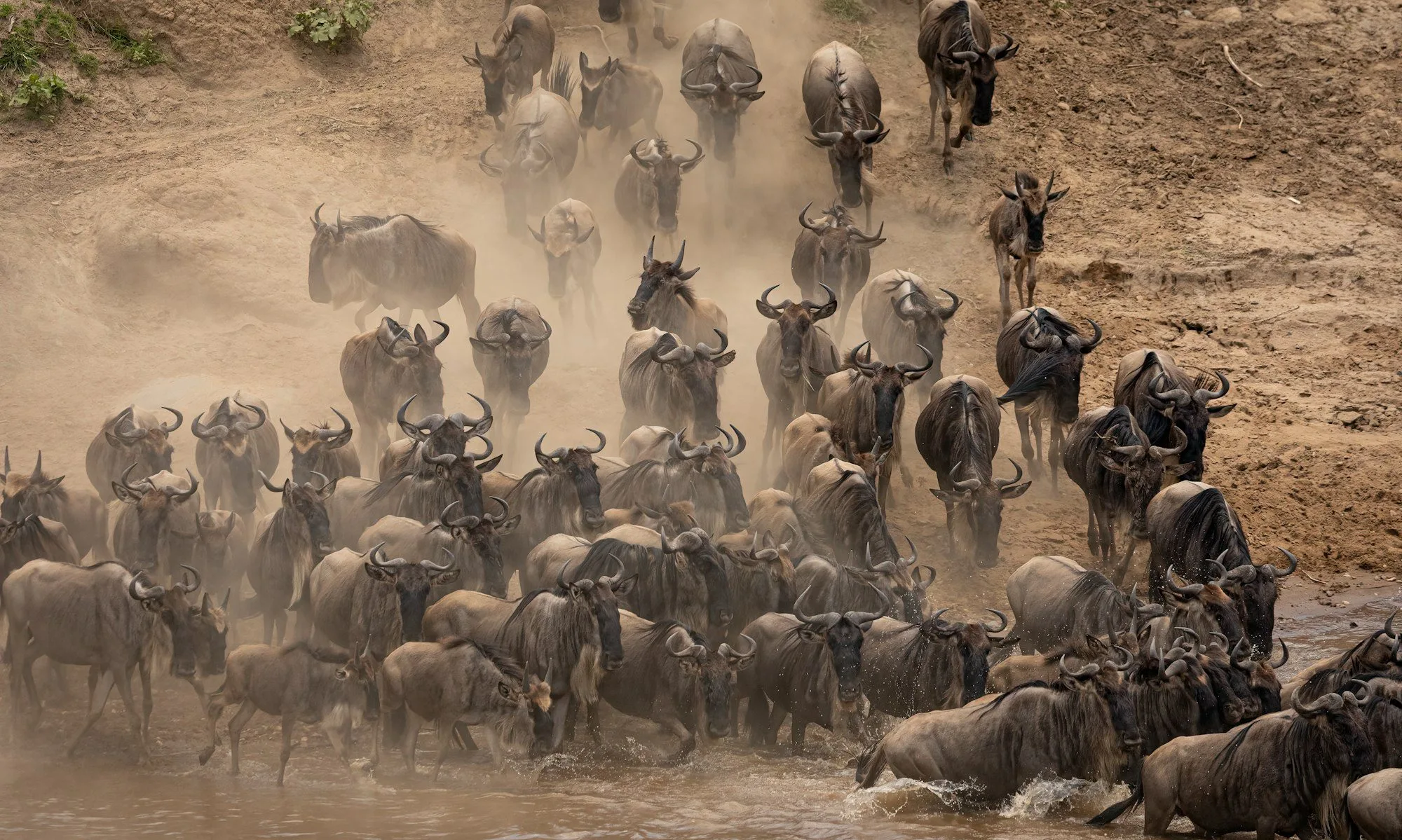
Witness the iconic Mara River crossing on this 8-day Great Migration safari through Tanzania. From the volcanic shores o…
Let us craft your dream safari. Contact our team today and we'll design a personalized itinerary just for you.