Overview
9-Day Journey Over Northern Tanzania
Nine days is enough time to trace the whole of Tanzania's northern safari circuit without feeling rushed, and this itinerary is built to do exactly that. Starting in Arusha, the trip works its way west and south through Arusha National Park, Tarangire, and the Ngorongoro Highlands before flying into the Serengeti for the back half of the trip, then closing the loop with a scenic return to Kilimanjaro International Airport. It is a route designed for travelers who want depth as well as breadth: enough nights in each park to actually settle into the rhythm of the bush, rather than a blur of one-night stops.
The first two days ease you in. After landing at Kilimanjaro International Airport you are transferred to Arusha for a relaxed first night, followed by a half-day exploring Arusha National Park — a compact, underrated reserve where dense giraffe populations, the crater lake at Ngurudoto, and the still waters of Momella Lakes sit in the shadow of Mount Meru. It is a gentle warm-up for the bigger parks ahead, and a good place to shake off jet lag before the real game-driving begins.
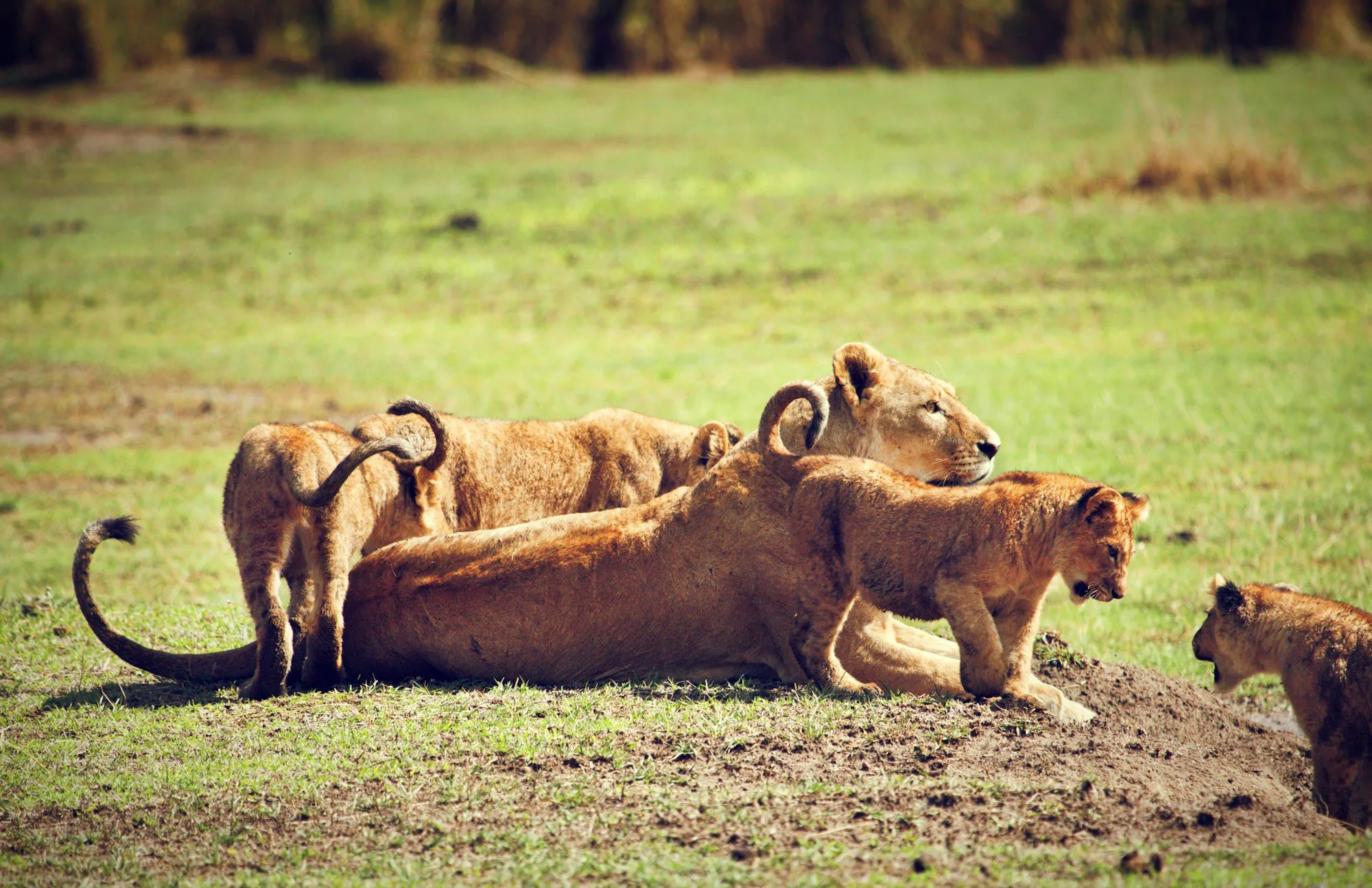
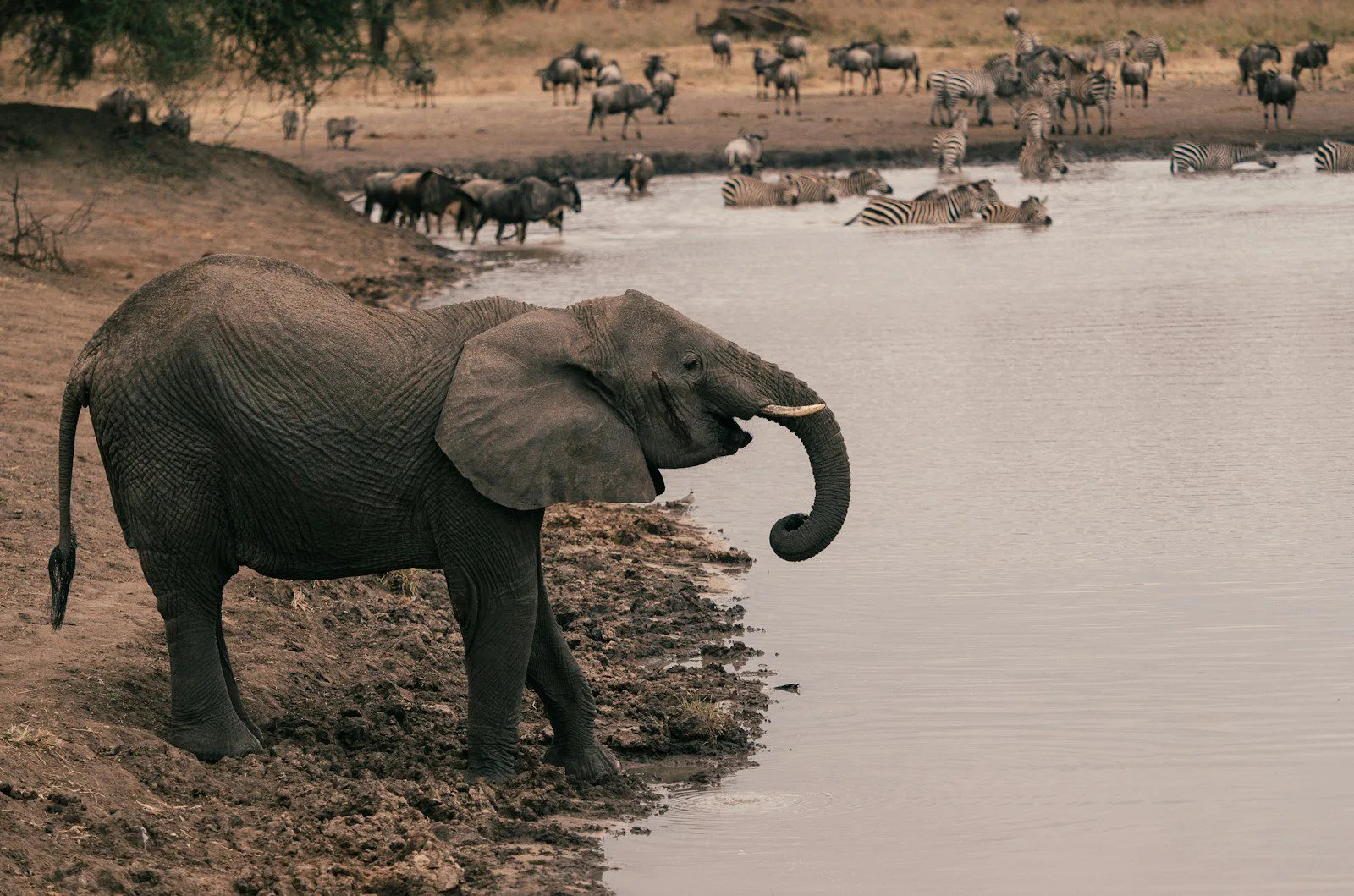
From there the route heads to Tarangire, home to one of Tanzania's largest elephant populations and a skyline of ancient baobabs that make the landscape feel genuinely prehistoric. Two full days here allow for both the busier river-circuit game drives and the quieter, less-visited swamps further south, where lion prides and leopard are frequently seen. A detour to Ngorongoro's rim and, depending on the season, a run through the highlands or Lake Manyara's groundwater forest adds the crater ecosystem's dramatic scenery and dense predator concentrations to the trip before the flight north.
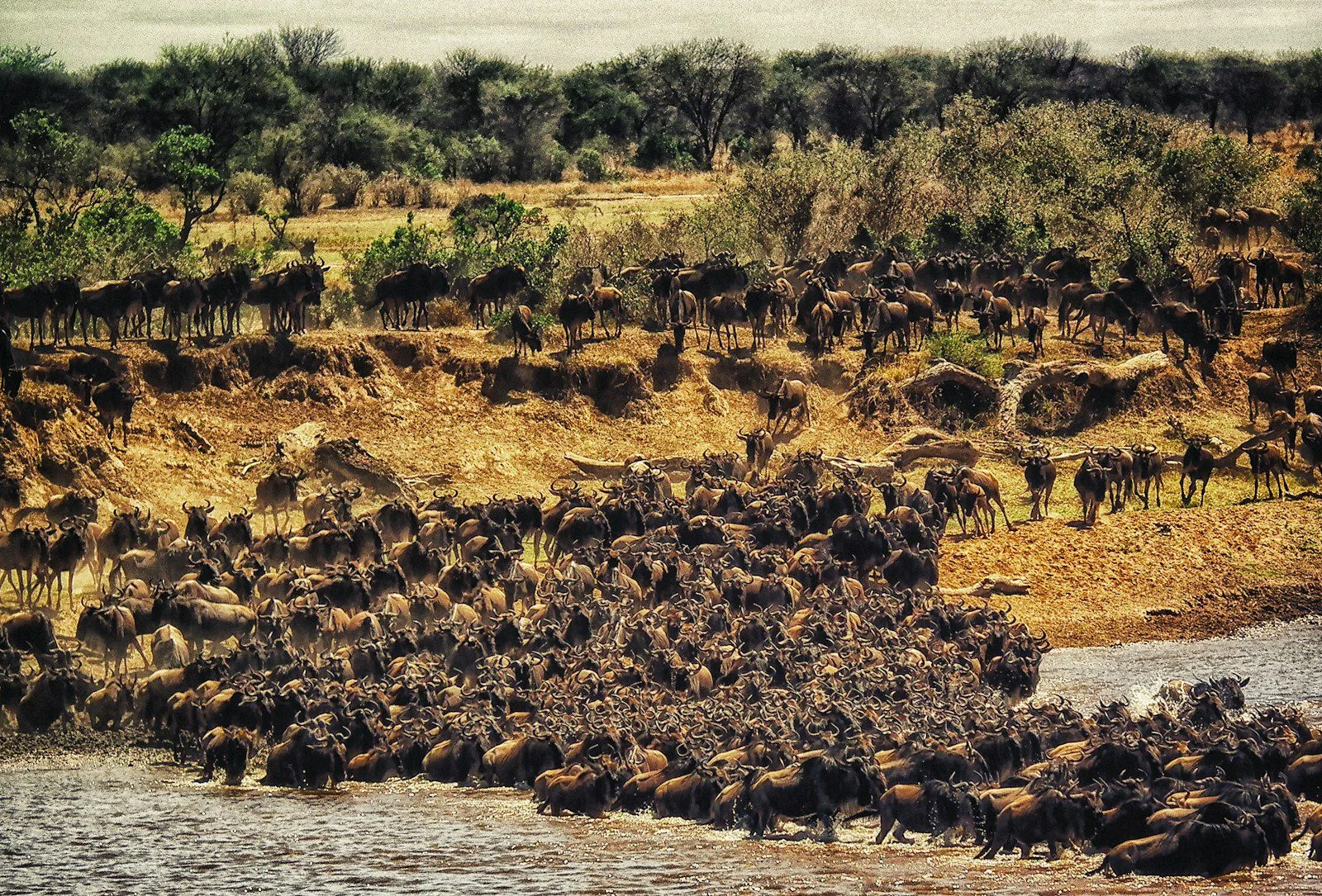
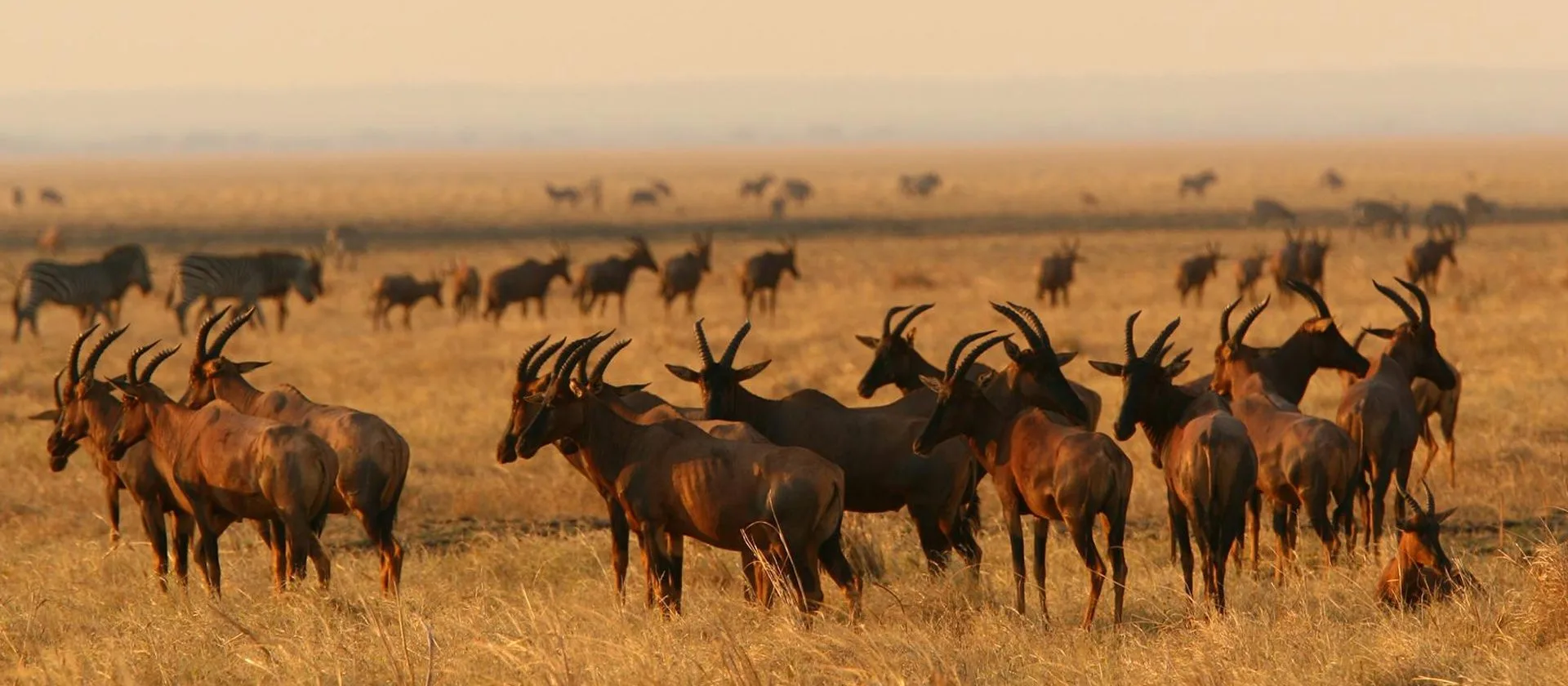
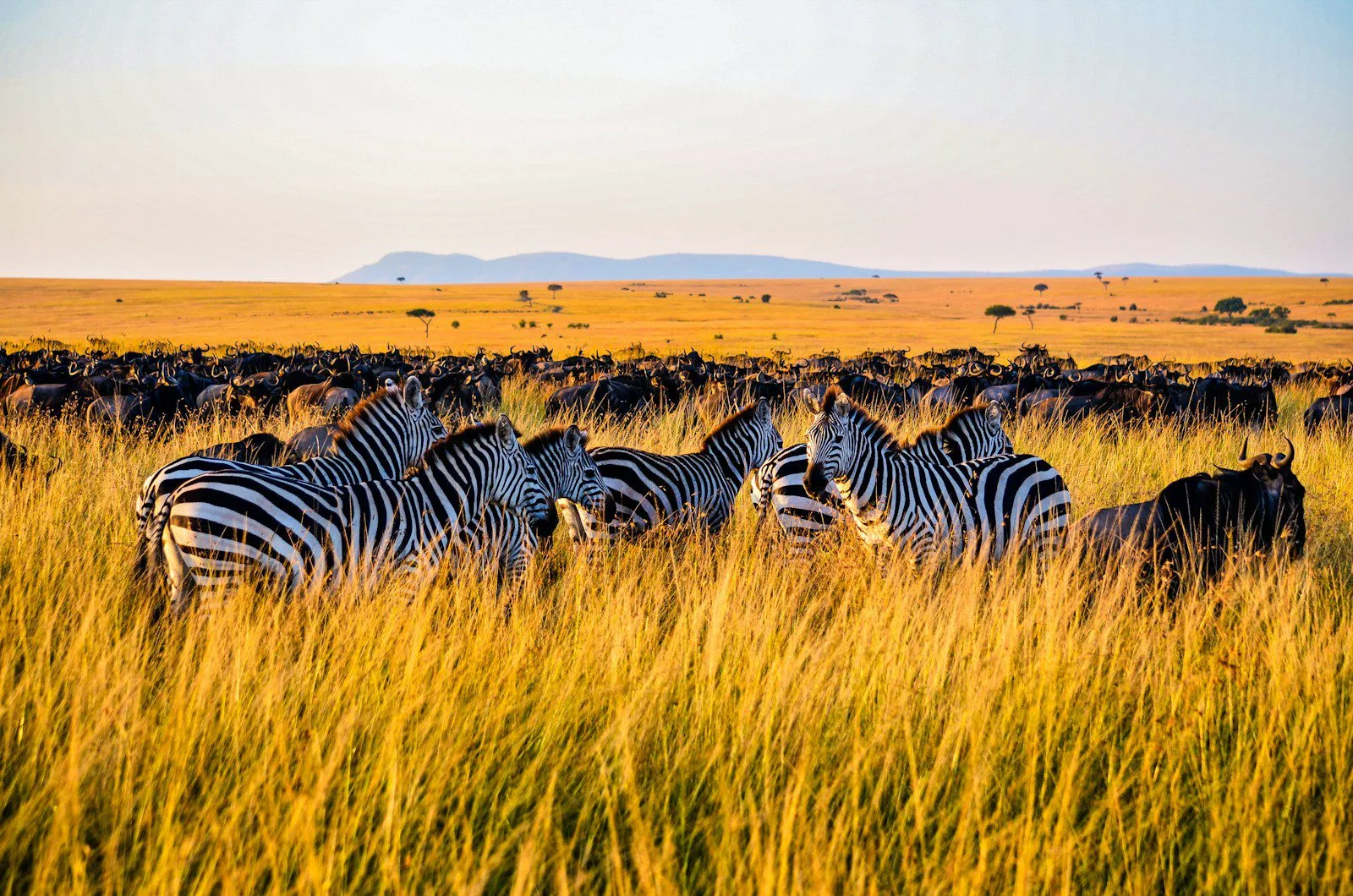
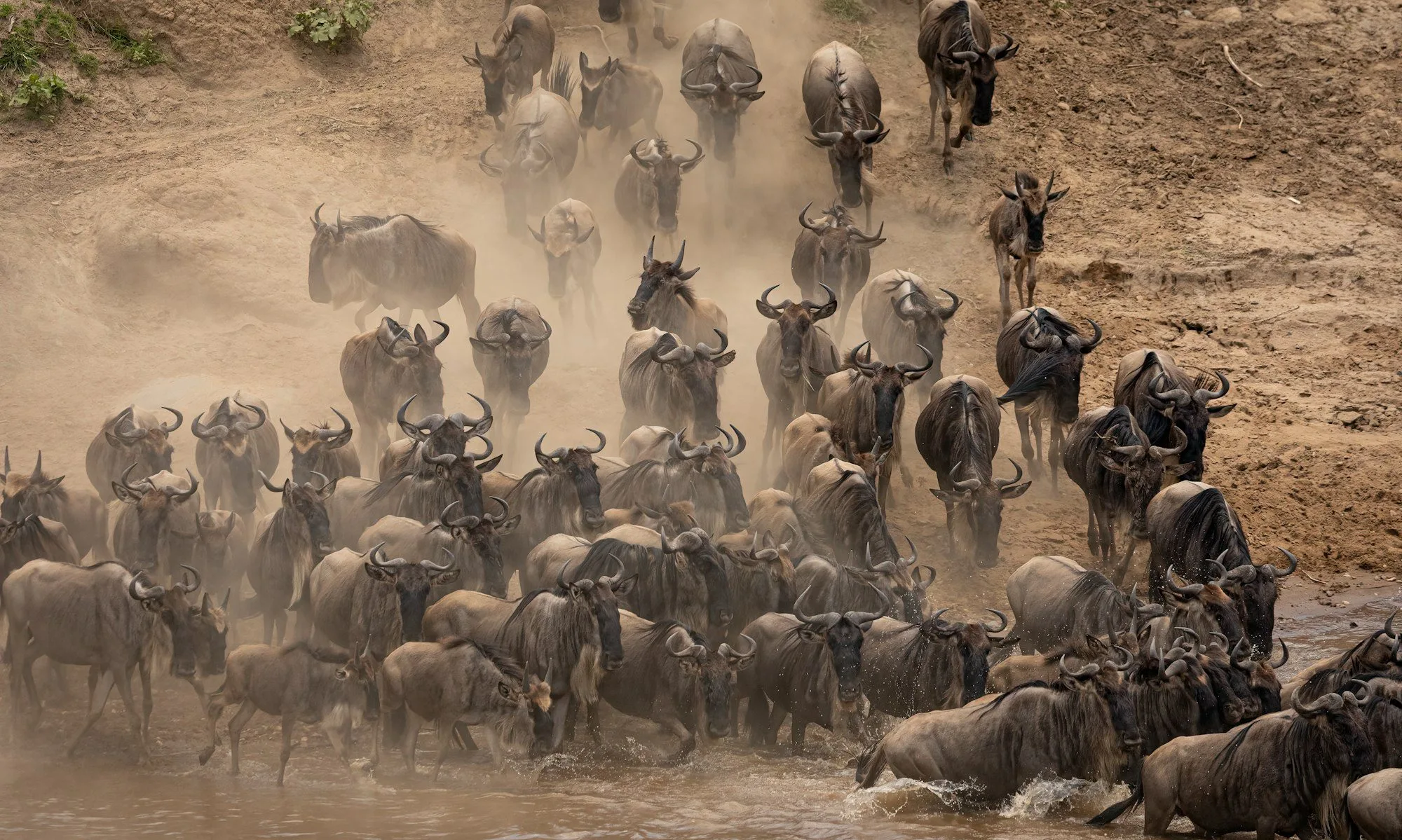
The second half of the safari belongs entirely to the Serengeti. Flying in rather than driving saves the better part of a day on rough roads and delivers you straight into the heart of the park in time for an afternoon game drive. Three nights here — split, where useful, between the central Seronera area and the more remote plains — give real odds at the Big Five, dense predator sightings around the kopjes, and, depending on the month, a chance to intersect with the Great Migration's wildebeest and zebra columns. Sundowners over the endless grassland close out each day.
The final morning is unhurried: a last game drive if timing allows, breakfast at the lodge, then a short flight back to Arusha and onward connections to Kilimanjaro International Airport for departure. Throughout the trip, accommodation leans toward comfortable, well-located lodges and camps that balance genuine wilderness immersion with reliable creature comforts — hot showers, good food, and guides who know the parks intimately. This is a safari for travelers who want the full northern circuit story told properly, at a pace that leaves room to actually watch the animals rather than just tick them off a list.