

About the Park
Mount Kilimanjaro
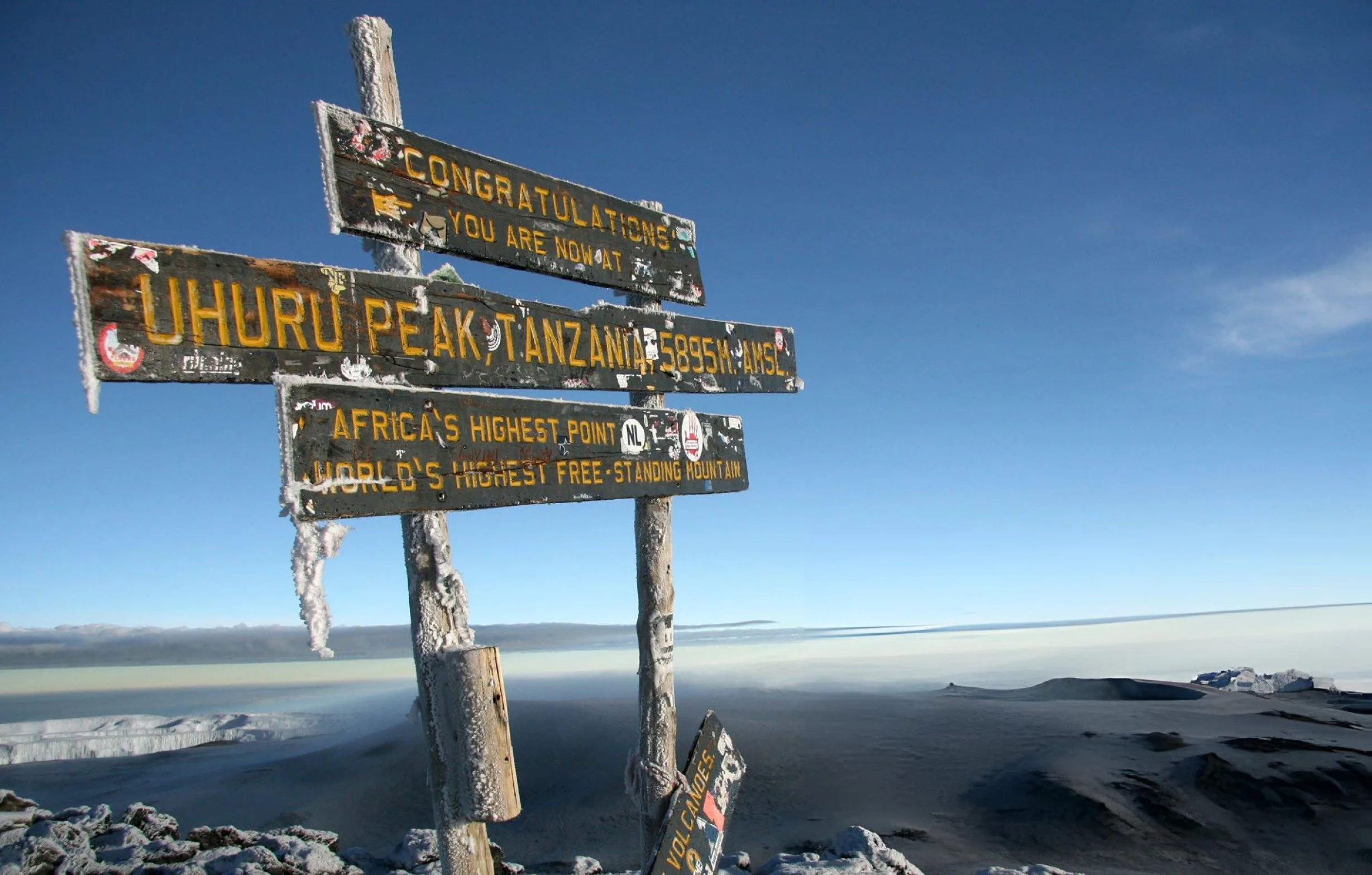
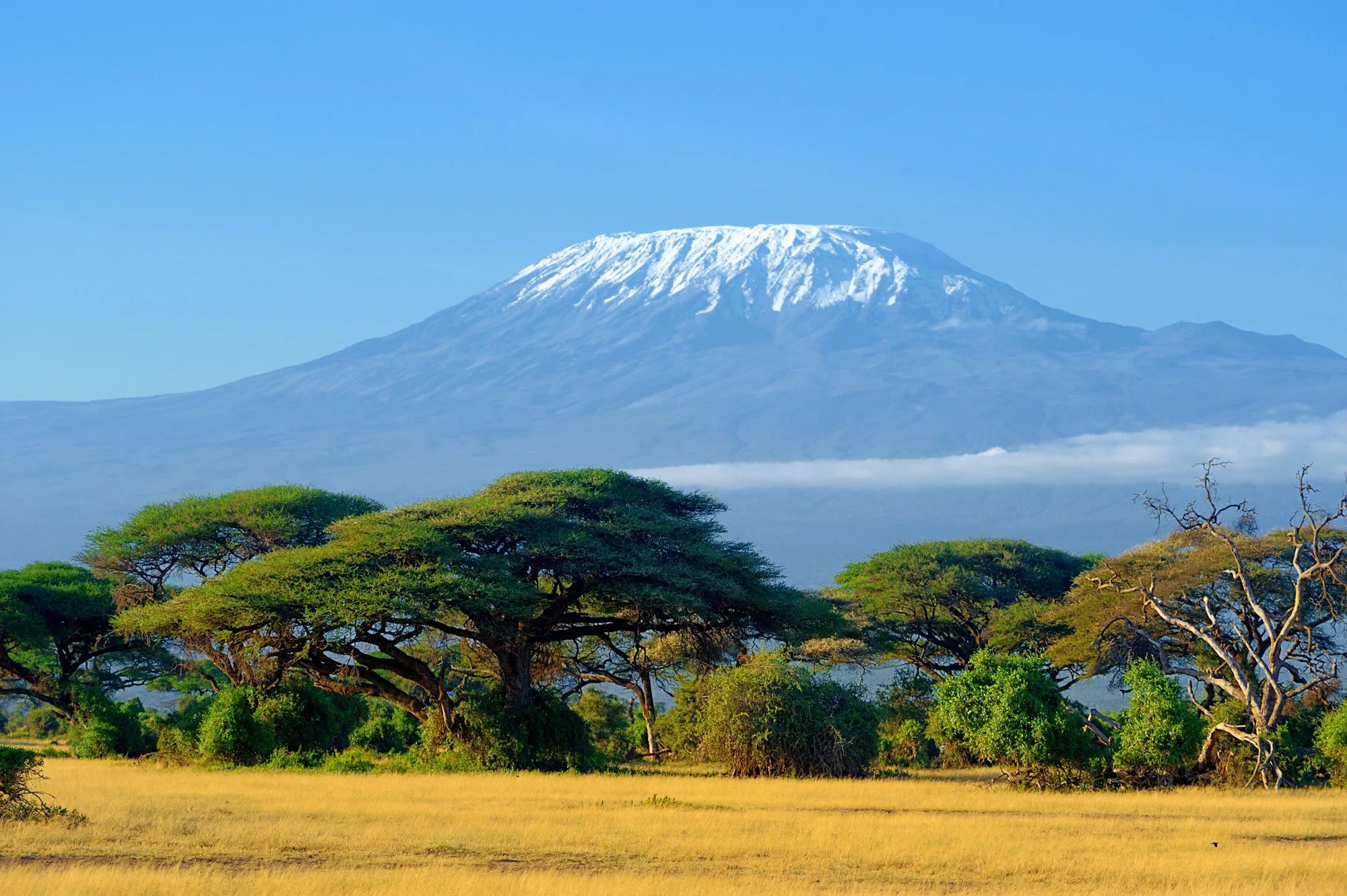
Mount Kilimanjaro rises 5,895 metres (19,341 feet) above sea level in northern Tanzania, making it Africa's highest point and the tallest free-standing mountain on the planet. Unlike the great ranges of the world, Kilimanjaro is not part of a mountain chain but a solitary volcanic giant built from three distinct cones: Kibo, Mawenzi, and Shira. Kibo, the highest and only one still holding its snow-capped dome, is the ultimate destination for every trekker who sets out to reach Uhuru Peak, the summit that marks the literal "roof of Africa."
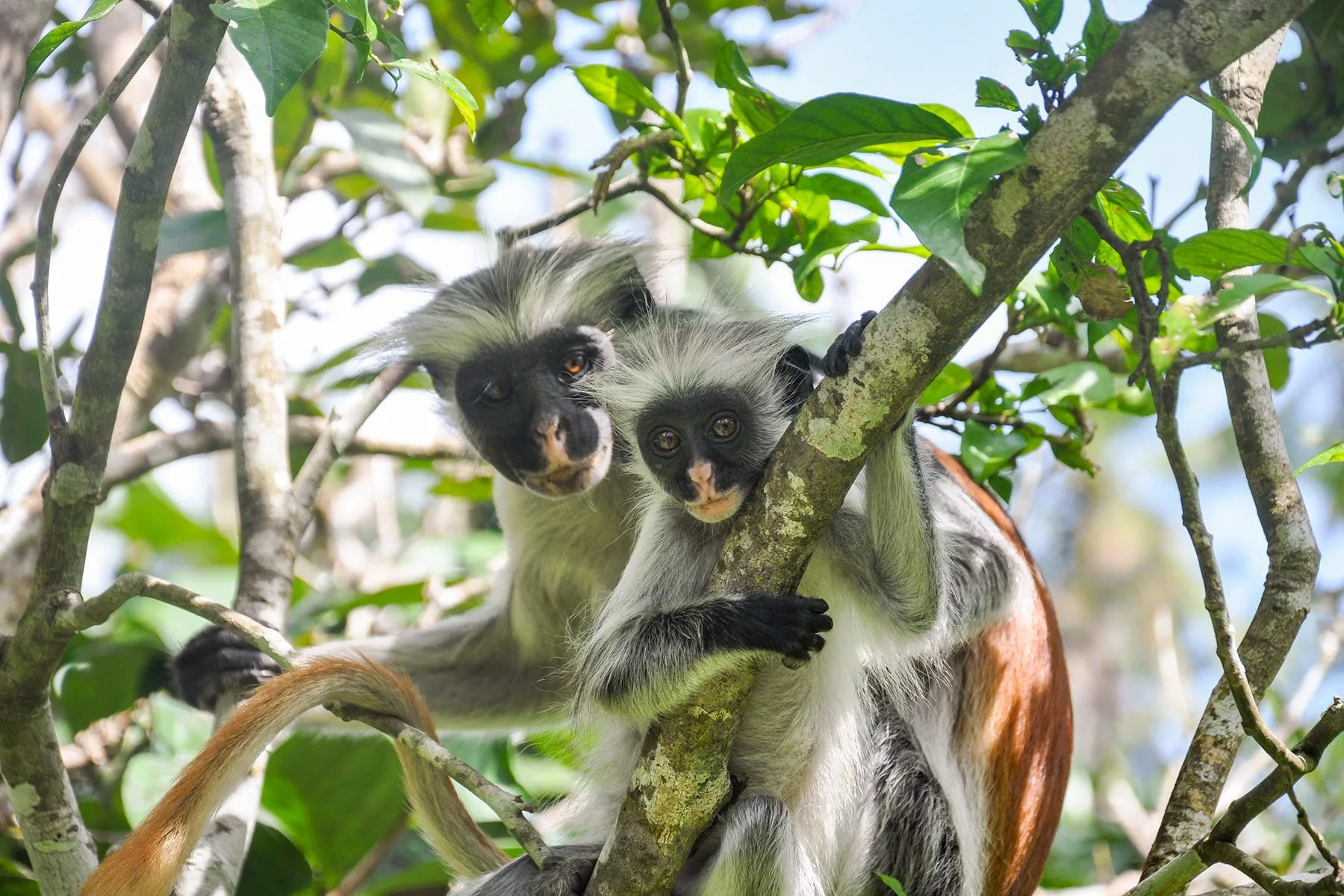
What makes the climb so extraordinary is the sheer range of environments packed into a single ascent. Trekkers pass through five distinct climatic zones over the course of a few days: lush tropical rainforest thick with colobus monkeys and birdlife, open moorland dotted with giant lobelias, a stark alpine desert of rock and thin air, and finally the arctic ice fields near the summit. Few mountains anywhere allow travelers to experience such a dramatic ecological transformation on foot, and it is this variety, as much as the summit itself, that draws climbers from every continent.
Several established routes lead to the top, each with its own character. The Marangu route is the oldest path and the only one with hut accommodation along the way, making it a popular choice for climbers who prefer a roof over their heads each night. The Machame route, often nicknamed the "Whiskey Route," is more scenic and physically demanding, while the Lemosho and Northern Circuit routes offer longer, quieter approaches with excellent acclimatization profiles and sweeping views. The Rongai route, approaching from the north near the Kenyan border, is prized for its drier trail and gentler gradient. Camps along the way range from simple tented sites to more comfortable set-ups, and pre- or post-trek travelers typically base themselves in Arusha, where accommodation spans budget lodges to luxury hotels.
Beyond the physical challenge, a Kilimanjaro climb is also a cultural and sensory experience. Trekkers spend their days alongside experienced local guides and porters, many from the Chagga and Maasai communities, who share the mountain's traditions and folklore around the campfire each evening. Photographers are rewarded with ever-changing light across the rainforest canopy, the volcanic plains of the alpine desert, and, for those who reach the top at sunrise, uninterrupted views stretching across the Tanzanian savannah toward Mount Meru and, on a clear day, into Kenya.
Reaching the summit demands preparation. Proper acclimatization is essential to avoid altitude sickness, and climbers are advised to travel with adequate insurance, layered clothing suited to sudden temperature swings, sturdy trekking boots, and a warm sleeping bag. With the right preparation and a good guiding team, though, standing on Uhuru Peak at sunrise, above the clouds and the plains of East Africa, remains one of the most rewarding achievements in adventure travel.