
Your Questions Answered
Kilimanjaro FAQ
Everything you need to know before climbing Mount Kilimanjaro.
Preparation & Fitness
You do not need to be an elite athlete to climb Kilimanjaro, but a reasonable level of fitness is essential. The climb is not technically difficult, but it is physically demanding due to the duration (5-9 days of trekking) and the altitude. We recommend starting a training program at least 8-12 weeks before your climb, focusing on cardiovascular fitness (hiking, running, cycling), leg strength, and endurance. Regular long walks with a loaded daypack on hilly terrain are the best preparation. Many successful climbers are regular recreational hikers and gym-goers rather than experienced mountaineers.
Essential gear includes: quality waterproof hiking boots (broken in before the trip), a warm down jacket rated to -15C, thermal base layers, waterproof outer shell jacket and trousers, warm hat and gloves, gaiters, trekking poles, a headlamp with spare batteries, a sleeping bag rated to -15C (or rent one from us), a daypack (25-30 liters), water bottles or hydration bladder, and high-SPF sunscreen. We provide a comprehensive gear list upon booking and can arrange rental of sleeping bags and trekking poles if needed. Do not buy brand new boots for the climb; break them in thoroughly first.
Altitude sickness (Acute Mountain Sickness or AMS) is the biggest challenge on Kilimanjaro. Key prevention strategies include: choosing a longer route with better acclimatization (7+ days), walking slowly ("pole pole" in Swahili), drinking 3-4 liters of water daily, eating well even when appetite decreases, and communicating any symptoms to your guide immediately. Some climbers use Acetazolamide (Diamox) as a prophylactic, which should be discussed with your doctor before the trip. Our guides carry pulse oximeters to monitor your blood oxygen levels and are trained to recognize AMS symptoms early.
No prior climbing or mountaineering experience is necessary to climb Kilimanjaro. The mountain is classified as a trek rather than a technical climb, meaning no ropes, harnesses, or specialized climbing skills are required. The Barranco Wall on the Machame and Lemosho routes involves some basic scrambling using hands and feet, but it is non-technical and guided. The most important factors for success are physical fitness, mental determination, proper acclimatization, and listening to your guide. Many of our successful summit climbers had never attempted anything like it before.
On The Mountain
Our mountain cooks prepare fresh, nutritious meals designed to fuel your climb. Breakfast typically includes porridge, eggs, toast, fruit, tea, and coffee. Lunch is usually a packed lunch with sandwiches, boiled eggs, fruit, snacks, and juice, eaten at a scenic rest stop. Dinner is a three-course meal including soup, a main course (pasta, rice, meat, or fish with vegetables), and dessert. We also provide plenty of snacks, hot drinks, and filtered water throughout the day. We can accommodate dietary requirements including vegetarian, vegan, gluten-free, and halal diets with advance notice.
On most routes, we provide a private portable toilet for our climbing groups, ensuring hygienic and comfortable facilities throughout the trek. The portable toilet is carried by our porters and set up at each campsite in a private tent. Public toilet facilities (long-drop latrines) are available at campsites but vary in quality. The Marangu Route has flush toilets at its huts. We recommend bringing your own toilet paper, hand sanitizer, and biodegradable wet wipes for personal hygiene. Our commitment to Leave No Trace principles means all waste is carried down the mountain.
There is no electricity on Kilimanjaro (except at the Marangu huts which have limited charging points). We recommend bringing a portable power bank (10,000-20,000 mAh) to charge your phone and camera. Solar chargers can work but are unreliable due to cloud cover and limited sun exposure in the forest. Bring spare batteries for your camera, especially as batteries drain faster in cold conditions. To conserve phone battery, keep your phone in airplane mode and use it primarily for photos and emergency communication. Our guides carry satellite phones for emergencies.
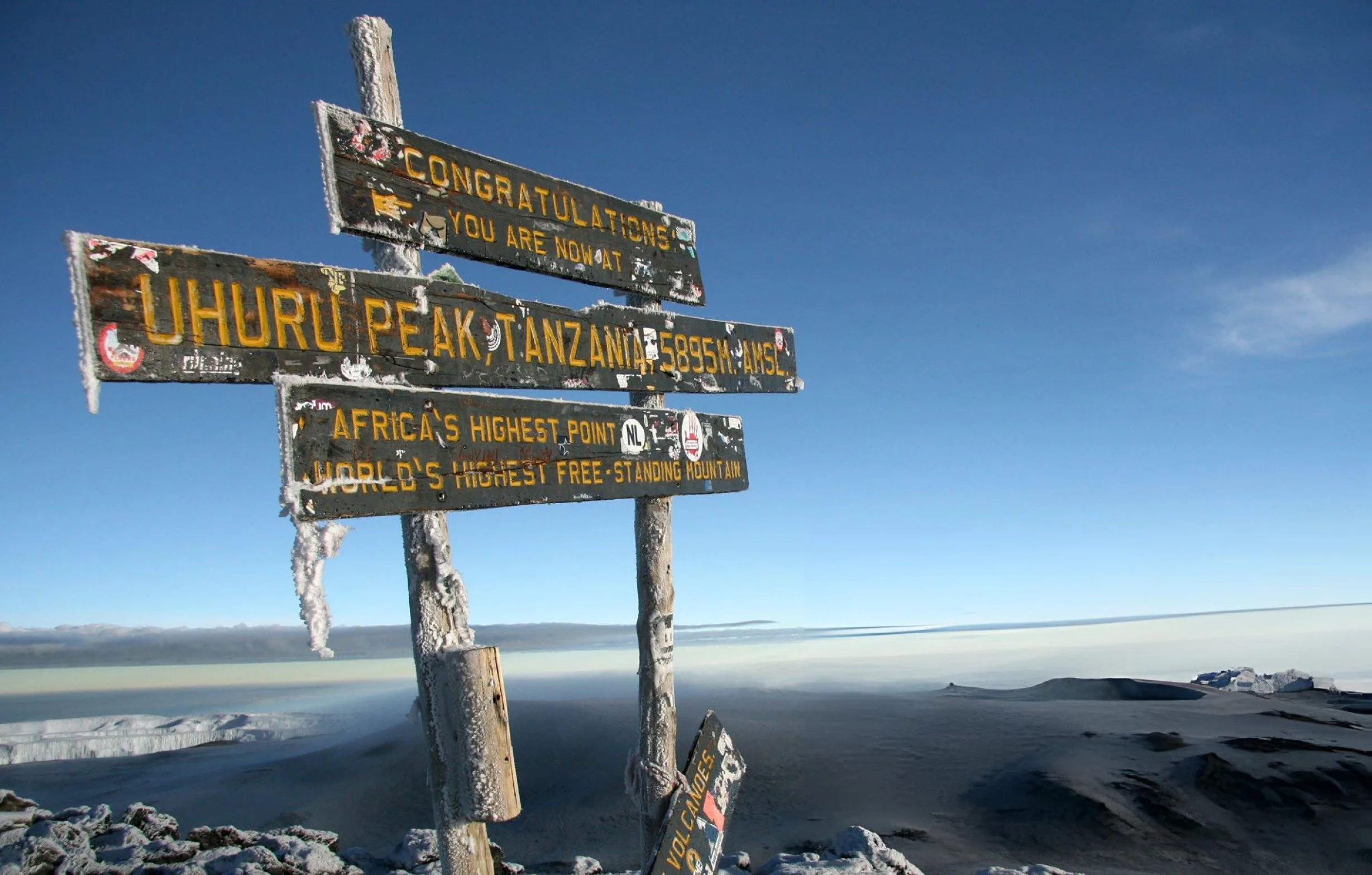
Your safety is always our top priority. If you develop severe altitude sickness symptoms or are unable to continue for any reason, our guides will arrange a safe descent with a dedicated guide and porter escort. This decision is never taken lightly and is always made in consultation with you, but our guides have the final authority on safety decisions. Descending to lower altitude is the most effective treatment for altitude sickness, and most people recover rapidly. Even if you do not reach Uhuru Peak, reaching Stella Point (5,756m) or Gilman's Point (5,681m) is still an incredible achievement and you will receive a certificate.
Still Have Questions?
We're Here to Help
Can't find the answer you're looking for? Our experienced Kilimanjaro team is happy to answer any questions and help you prepare for your climb.