

Photography Gear & Tips for Your Tanzania Safari
A Tanzania safari is a photographer's dream, offering some of the most dramatic wildlife and landscape photography opportunities on Earth. Whether you are shooting with a professional DSLR or a smartphone, preparation and the right techniques will help you capture images that do justice to the experience.
Recommended Camera Gear
- Camera body: A DSLR or mirrorless camera with good autofocus performance and high ISO capability. Low light performance is important for dawn and dusk shoots.
- Telephoto lens: A 100-400mm or 200-600mm zoom lens is ideal for wildlife. A 70-200mm f/2.8 is excellent for action and portraits. Longer reach (up to 600mm) is valuable for birds and distant subjects.
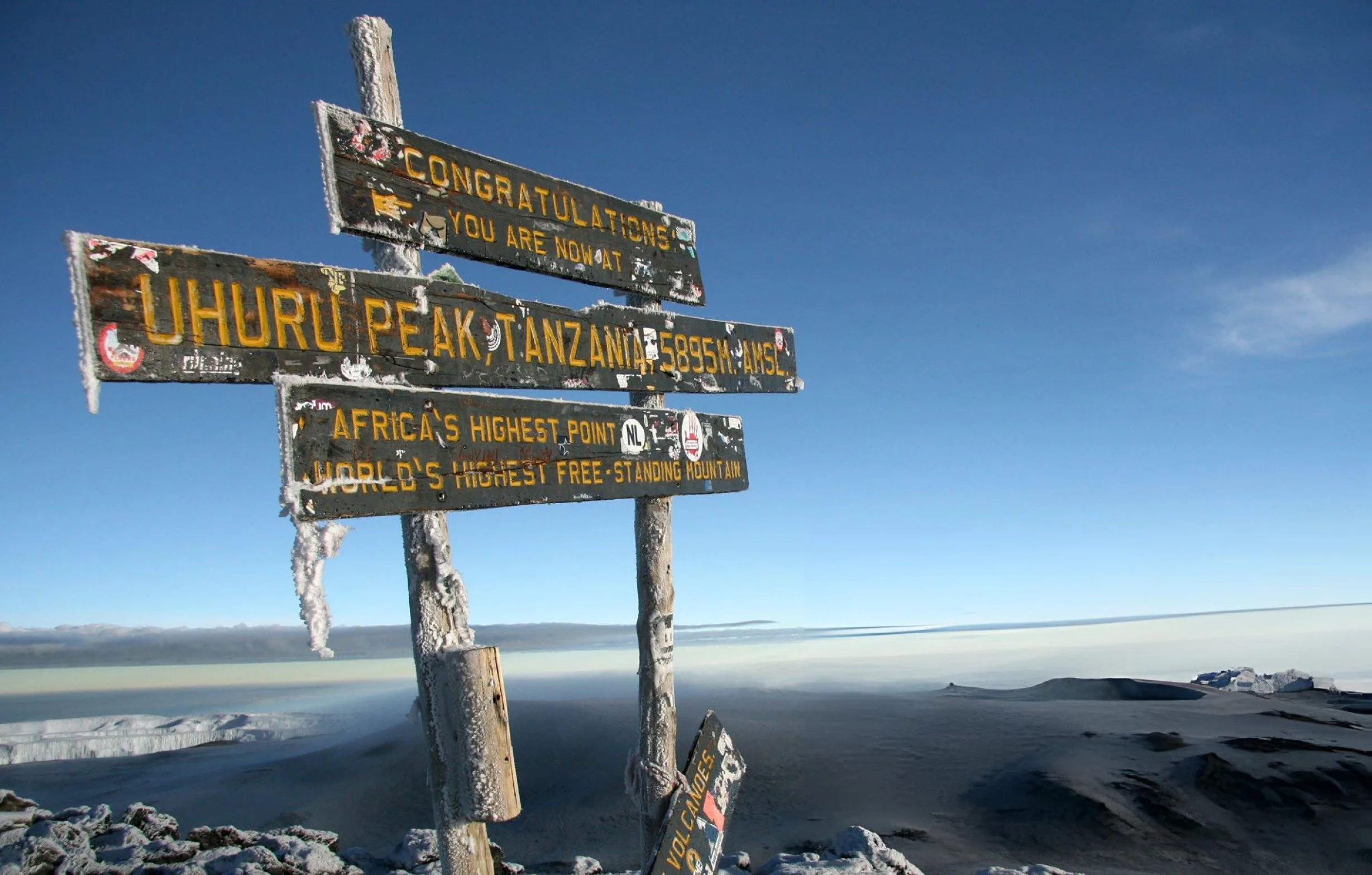
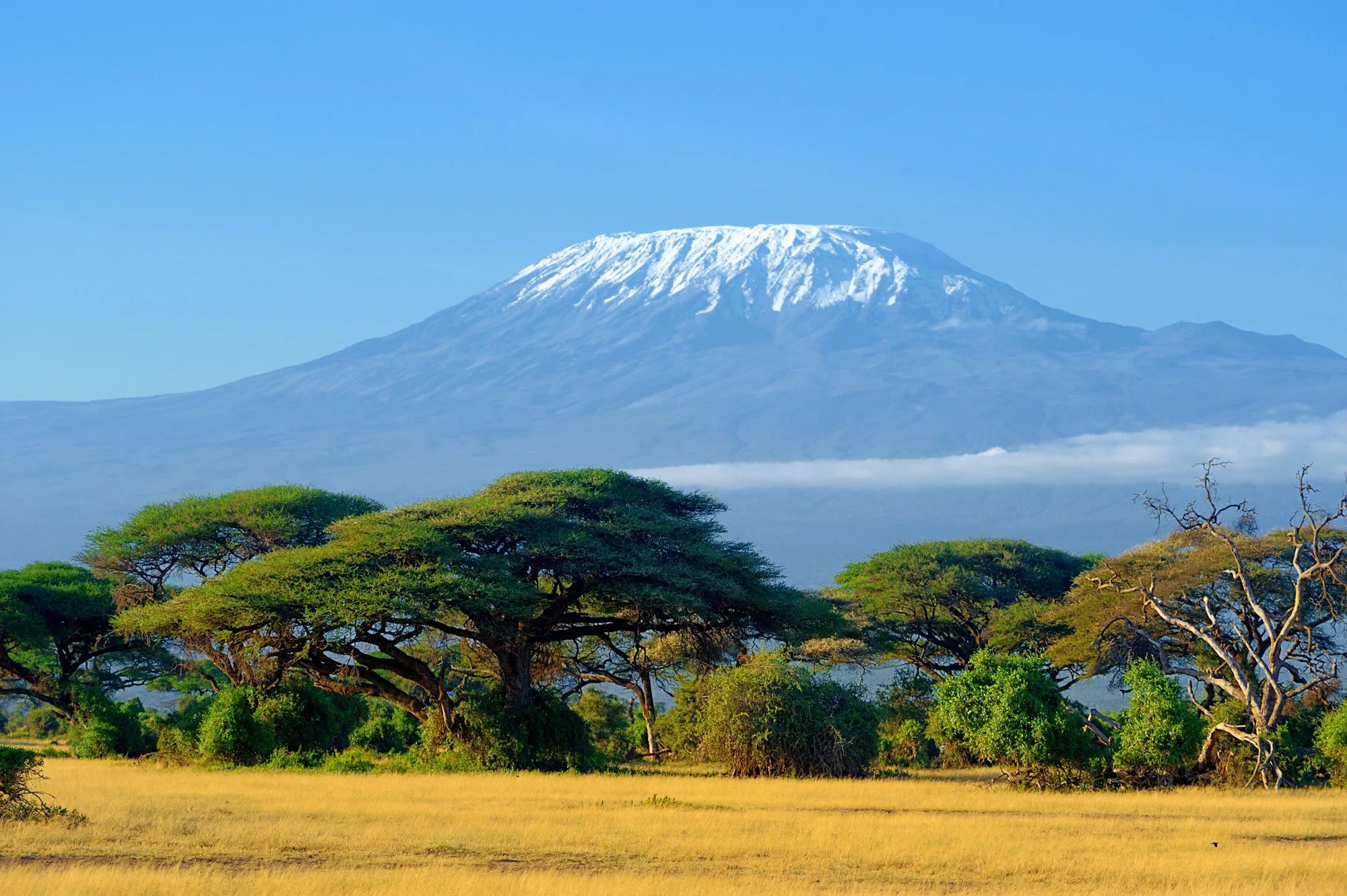
- Wide-angle lens: A 16-35mm or 24-70mm lens for landscapes, camp scenes, and environmental portraits. Essential for Kilimanjaro and Zanzibar.
- Teleconverter: A 1.4x teleconverter extends your reach with minimal quality loss.
- Memory cards: Bring at least 128GB total storage. Multiple smaller cards are safer than one large card. Shoot RAW for maximum editing flexibility.
- Batteries: Bring at least 3 fully charged batteries. Cold temperatures on Kilimanjaro and early mornings drain batteries faster.
- Cleaning kit: A lens cloth, air blower, and sensor cleaning supplies. Dust is a constant companion on safari.
Useful Accessories
- Beanbag or window mount: Far more practical than a tripod in a safari vehicle. A beanbag draped over the vehicle's window frame provides stable support for long lenses.
- Camera rain cover: Protects against sudden rain and the ever-present dust.
- Portable hard drive: For backing up images each evening.
- Power bank: Essential for charging in remote camps without reliable electricity.
Camera Settings Tips
- Shutter priority mode: Use a minimum of 1/500s for stationary animals and 1/1000s or faster for moving subjects like running predators or birds in flight.
- Aperture: Use f/5.6-f/8 for sharp wildlife portraits with soft backgrounds. Go wider (f/2.8-f/4) in low light.
- ISO: Do not be afraid to push ISO to 1600-3200 in low light. A sharp, slightly noisy image is better than a blurry clean one.
- Autofocus: Use continuous autofocus (AI Servo/AF-C) for moving subjects. Single-point AF for stationary animals, zone or area AF for action.
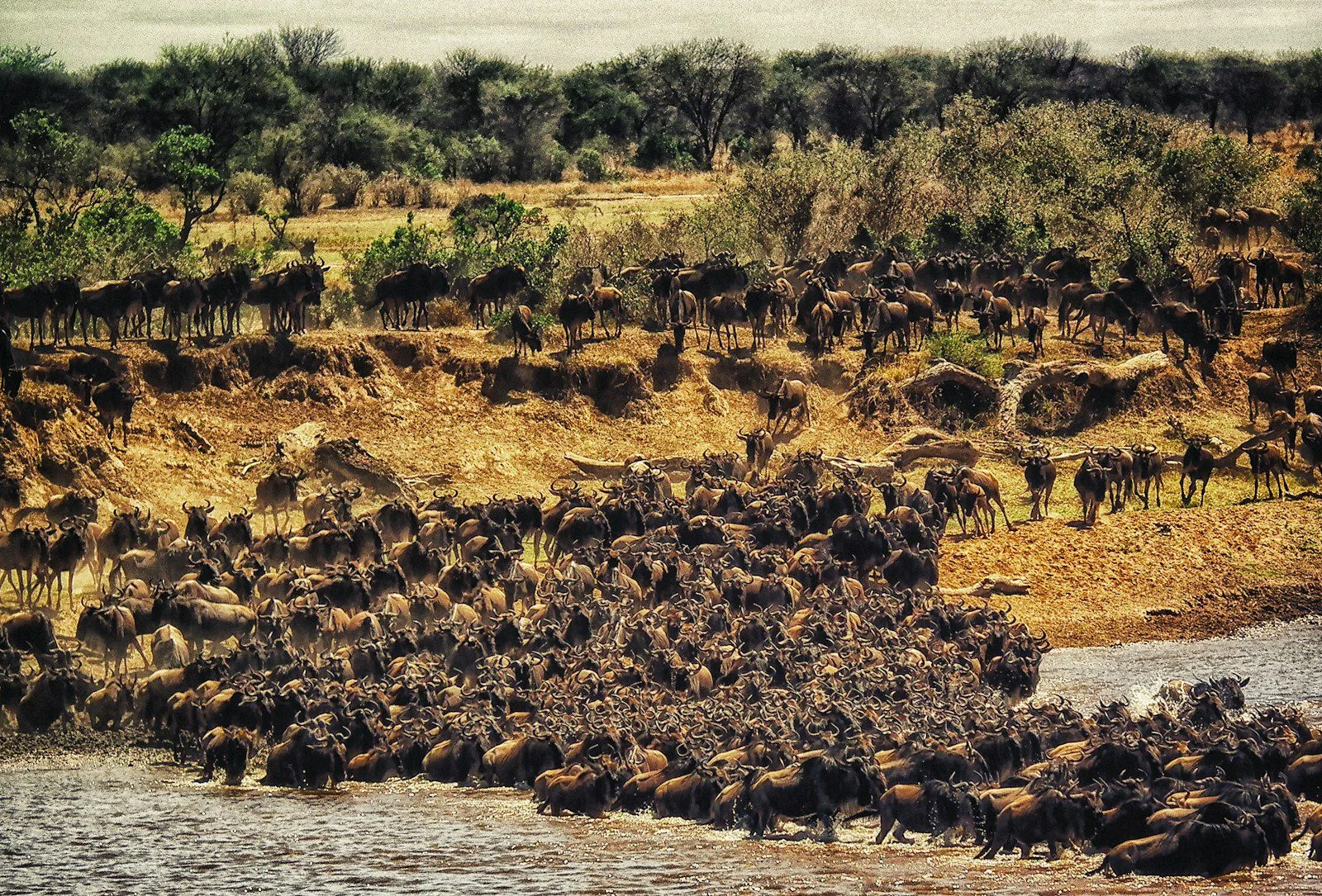
- Burst mode: Use continuous shooting for action sequences like predator hunts and river crossings.
Composition Tips
- Focus on the eyes. Sharp eyes make or break a wildlife portrait.
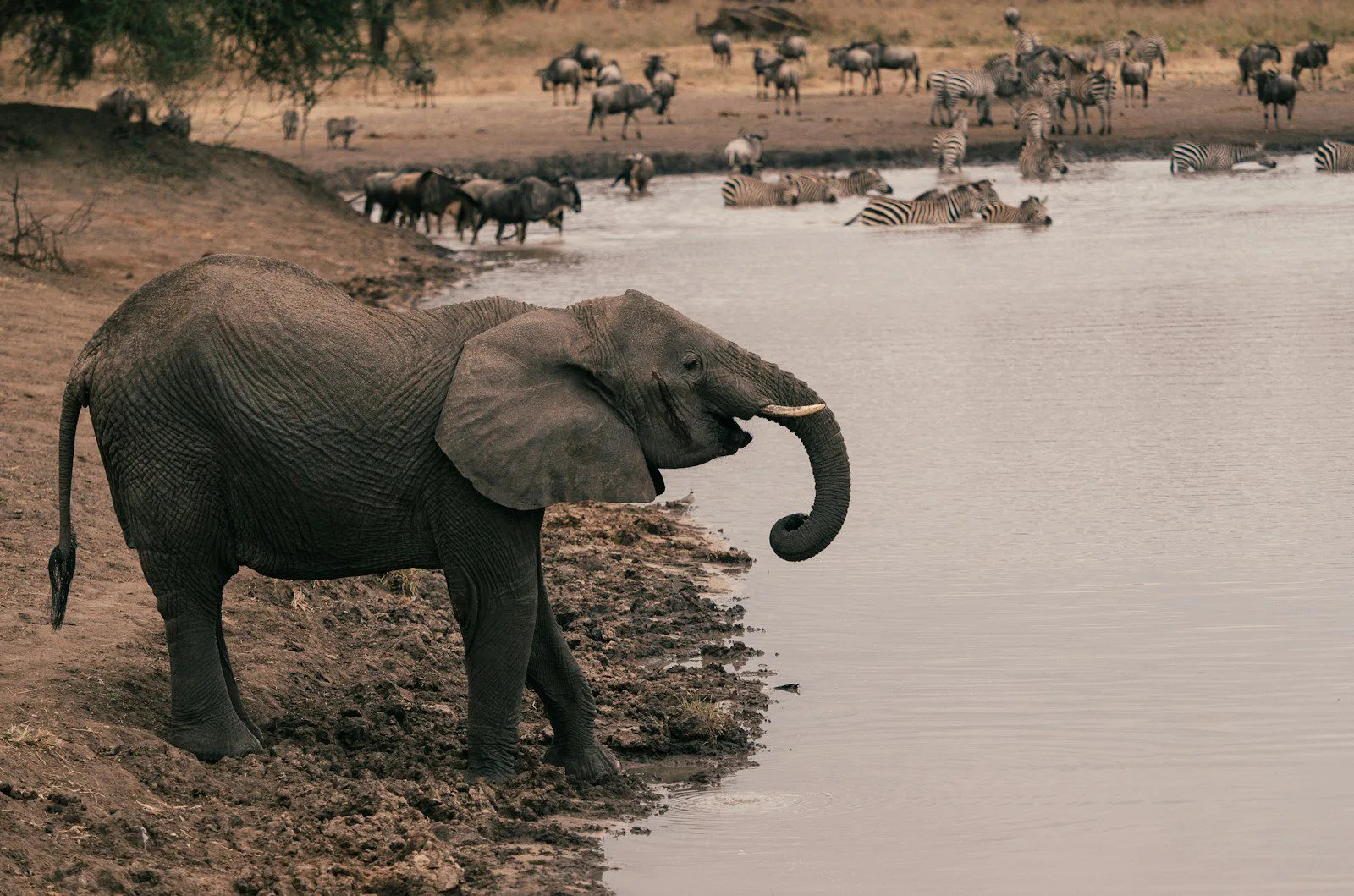
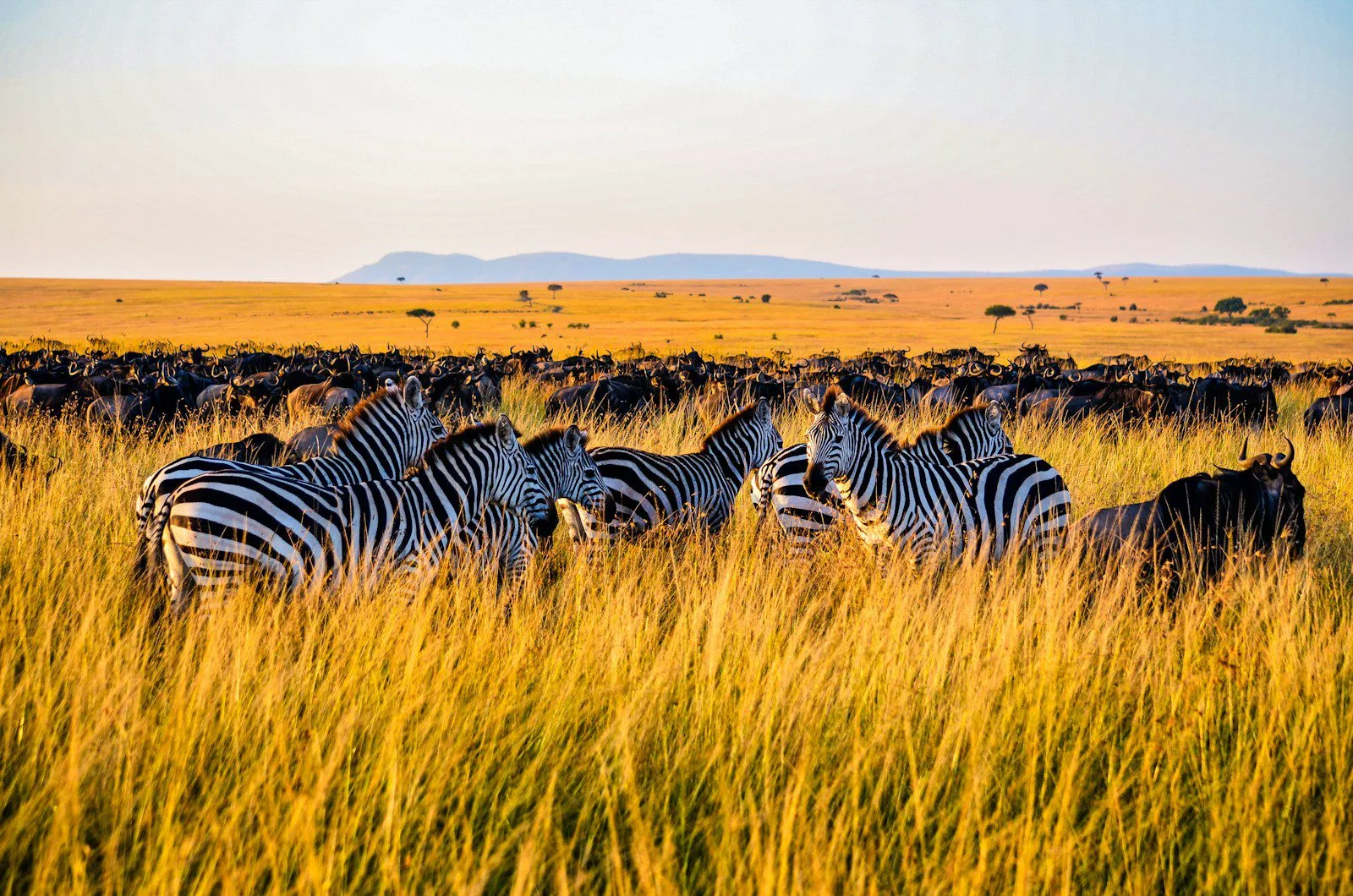
- Include the environment. Wide shots showing animals in their habitat tell a stronger story than tight crops.
- Shoot during golden hour (first and last hour of daylight) for the most dramatic light.
- Be patient. The best wildlife photographs come from waiting for behavior, not just snapping at every animal you see.
- Shoot from the animal's eye level when possible for more intimate, engaging images.
Smartphone Photography
Modern smartphones can produce excellent safari images, especially in good light. Use a clip-on telephoto attachment for extra reach. Shoot in the phone's highest quality mode or RAW if available. Use burst mode for action. A small phone-compatible binocular adapter can help capture distant subjects through your binoculars (digiscoping). Many of our guests have captured stunning images with nothing more than a smartphone and patience.