
Migration Safaris • 8 Days
8-Day Calving Season Safari
Witness the extraordinary spectacle of new life on the plains: an 8-day, halal-friendly safari through Tarangire, the Na…
8 Days1-12 PeopleFrom $4,300/pp
ModerateView Details →

By Category
Popular Destinations
Not Sure Where to Start?
Let us craft a bespoke itinerary based on your interests, budget, and travel dates.
Climbing Routes
Machame Route
Whiskey Route
Resources
Explore Tanzania
Discover More
All Destinations →From the endless plains of the Serengeti to the spice islands of Zanzibar.
Overview
Why You'll Love This Safari
Tour Route
Your Journey
Your 8-day Serengeti safari begins with your arrival at Kilimanjaro International Airport, where our team greets you with a warm Karibu and transfers you to your hotel in the safari town of Arusha. Nestled at the foot of Mount Meru, Arusha serves as the gateway to Tanzania's legendary northern circuit parks. After settling in, you meet your dedicated safari guide for a detailed briefing on the days ahead, covering wildlife expectations, the current position of the Great Migration herds, and practical tips for game drives. If time allows, explore the hotel grounds where resident birds including superb starlings and speckled mousebirds provide a taste of Tanzania's avian diversity. A welcome dinner features locally sourced cuisine, setting the tone for the authentic experiences ahead. Rest well tonight because tomorrow you step into the wild.
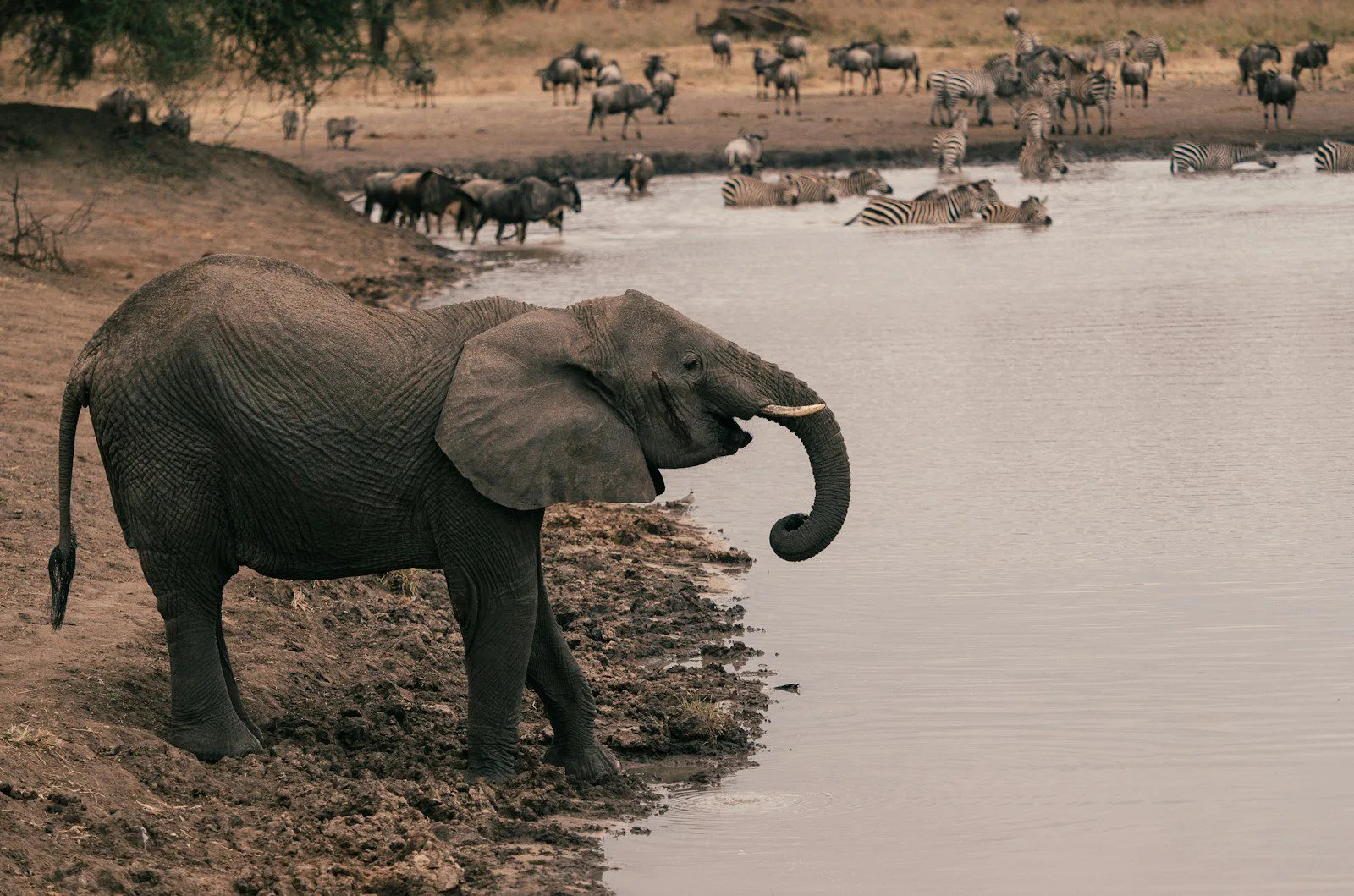
After an early breakfast, you depart Arusha and drive westward along the Great Rift Valley escarpment, arriving at Lake Manyara National Park by mid-morning. The park entrance leads through a dense groundwater forest fed by underground springs, where troops of olive baboons forage along the road and blue monkeys swing through the mahogany canopy overhead. Emerging from the forest onto open grassland, you scan acacia woodland for the park's famous tree-climbing lions, one of only two populations in Africa known to regularly rest in branches. The alkaline lake dominates the park's eastern boundary, its shallows painted pink by thousands of lesser flamingos during peak season. Pelicans, yellow-billed storks, and African fish eagles patrol the shoreline. Your guide navigates toward the hippo pools, where pods of up to 30 hippopotamuses wallow in the muddy water, their territorial grunts carrying across the floodplain. Elephants move through the acacia woodland in family groups, their matriarchs leading calves along ancient pathways. An afternoon game drive covers the southern reaches of the park before you exit and ascend the Rift Valley wall to your lodge perched on the escarpment rim, where sunset views stretch across the lake to the distant volcanoes.
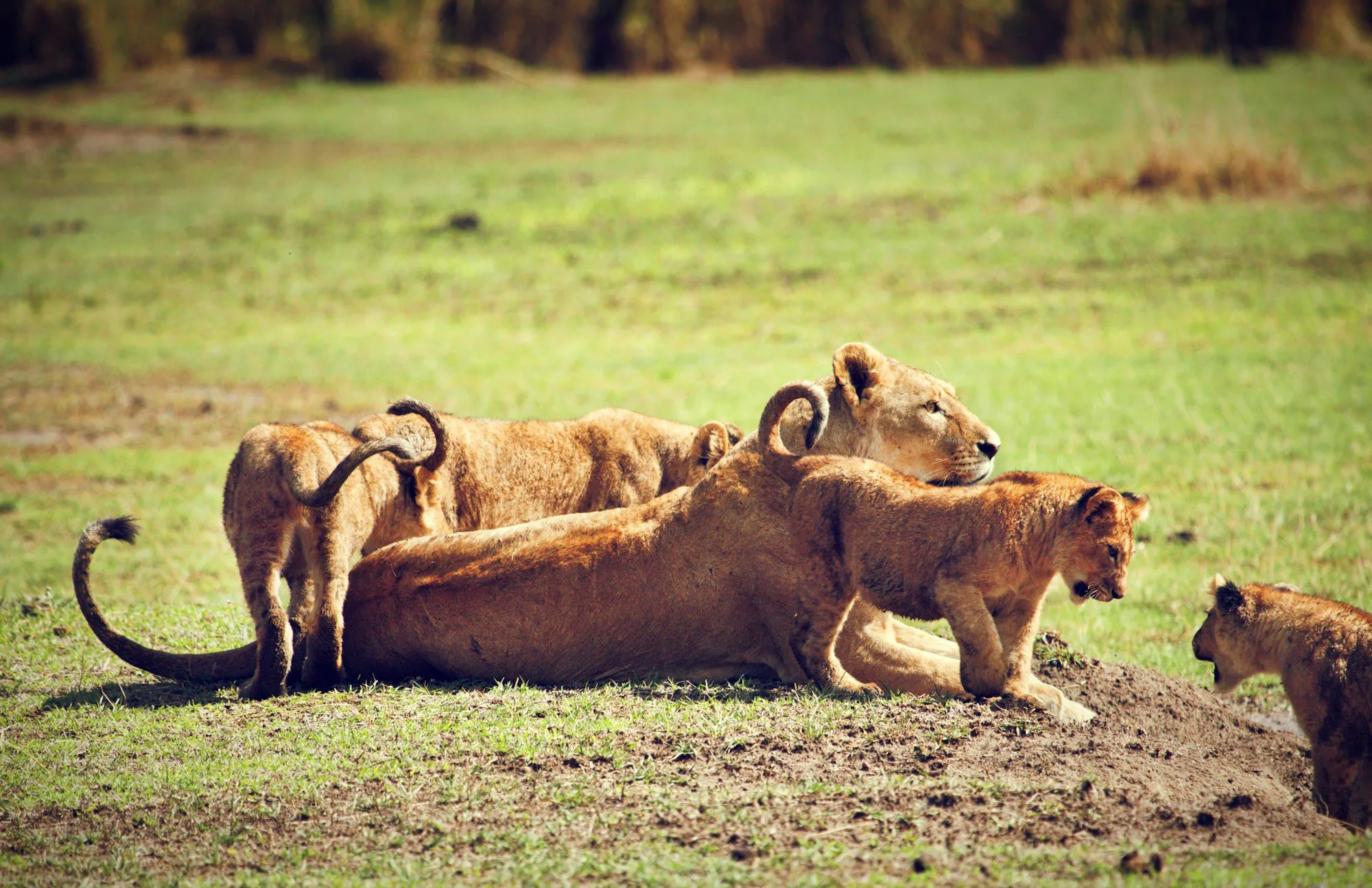
Today you enter the Serengeti, the crown jewel of East African safari destinations. The drive from Manyara takes you through the Ngorongoro Conservation Area with a photo stop at the crater rim, where the vast caldera stretches 19 kilometers across below you, a preview of Day 7's adventure. Descending the far side of the highlands, the landscape transforms from montane forest to the short-grass plains that give the Serengeti its Maasai name, Siringet, meaning "endless plains." Your first Serengeti game drive begins as you enter the park, with sightings often starting immediately. The Central Serengeti around the Seronera Valley is renowned for year-round predator density. Lion prides numbering up to 20 individuals control territories along the river, while leopards favor the sausage trees that line the watercourses. Cheetahs use termite mounds as elevated scanning platforms, their spotted coats catching the afternoon light. Herds of Thomson's and Grant's gazelles dot the plains, their constant vigilance a reminder that survival here demands alertness. The iconic granite kopjes rise from the savannah like ancient fortresses, and your guide may spot a rock hyrax colony or a pride resting in the shade of these weathered boulders. Arrive at your lodge in time for sundowners as the Serengeti sun drops below the horizon in a blaze of amber and crimson.
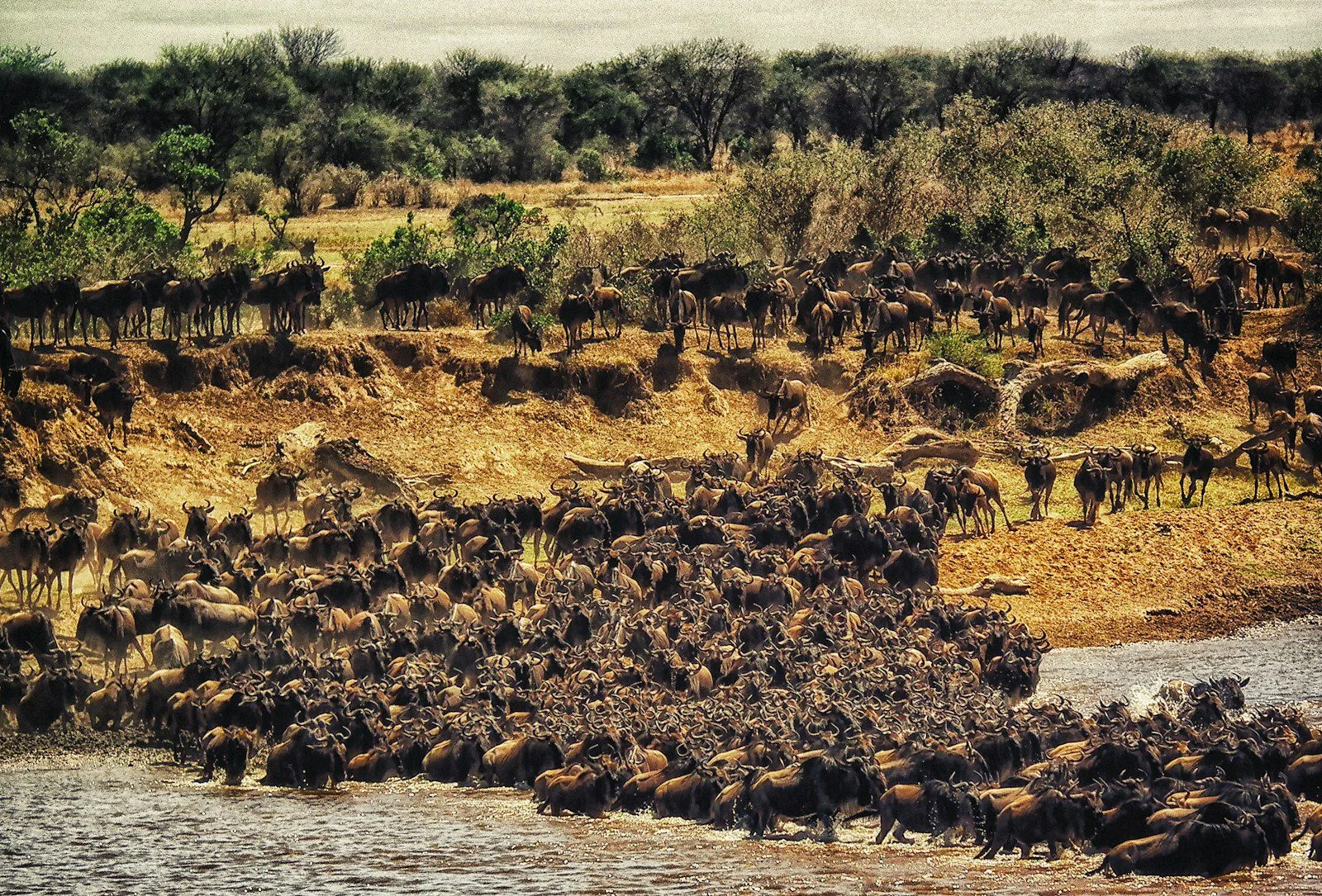
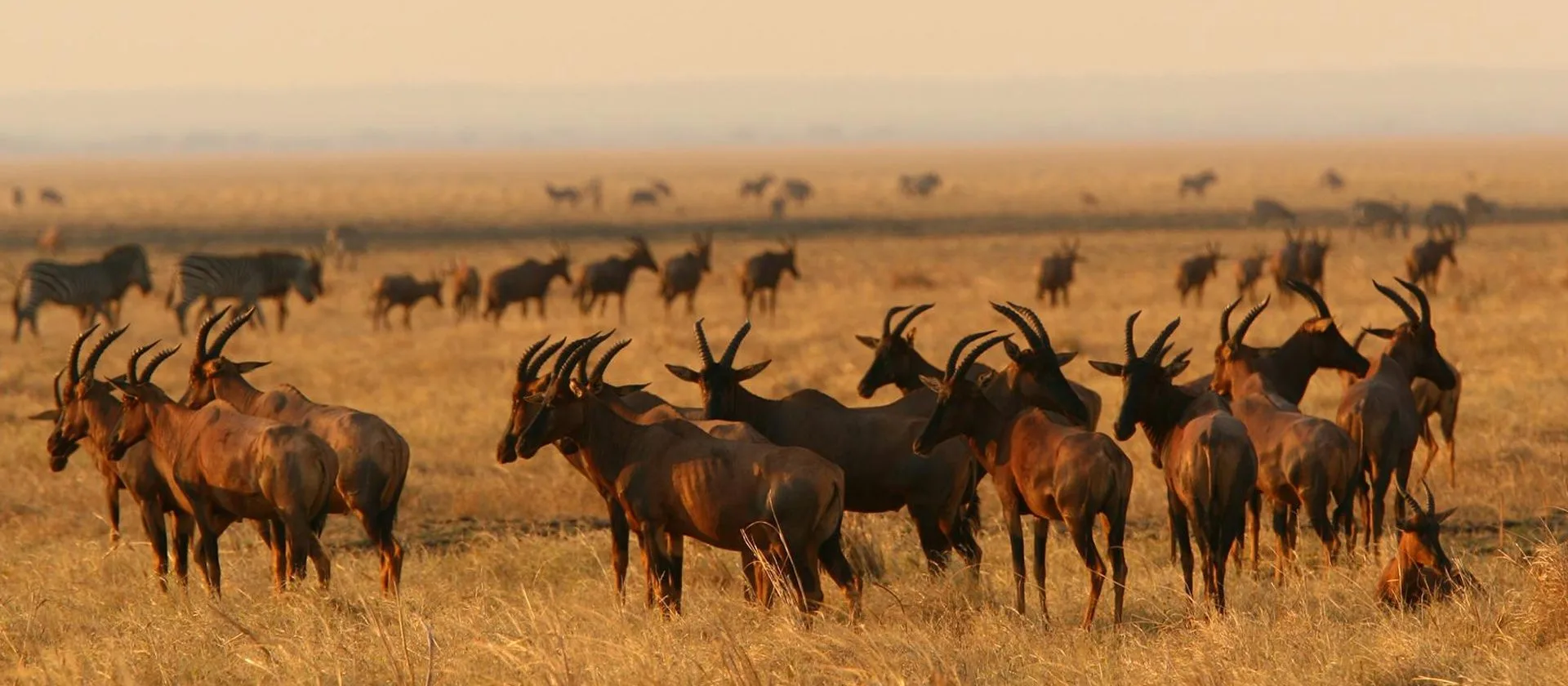
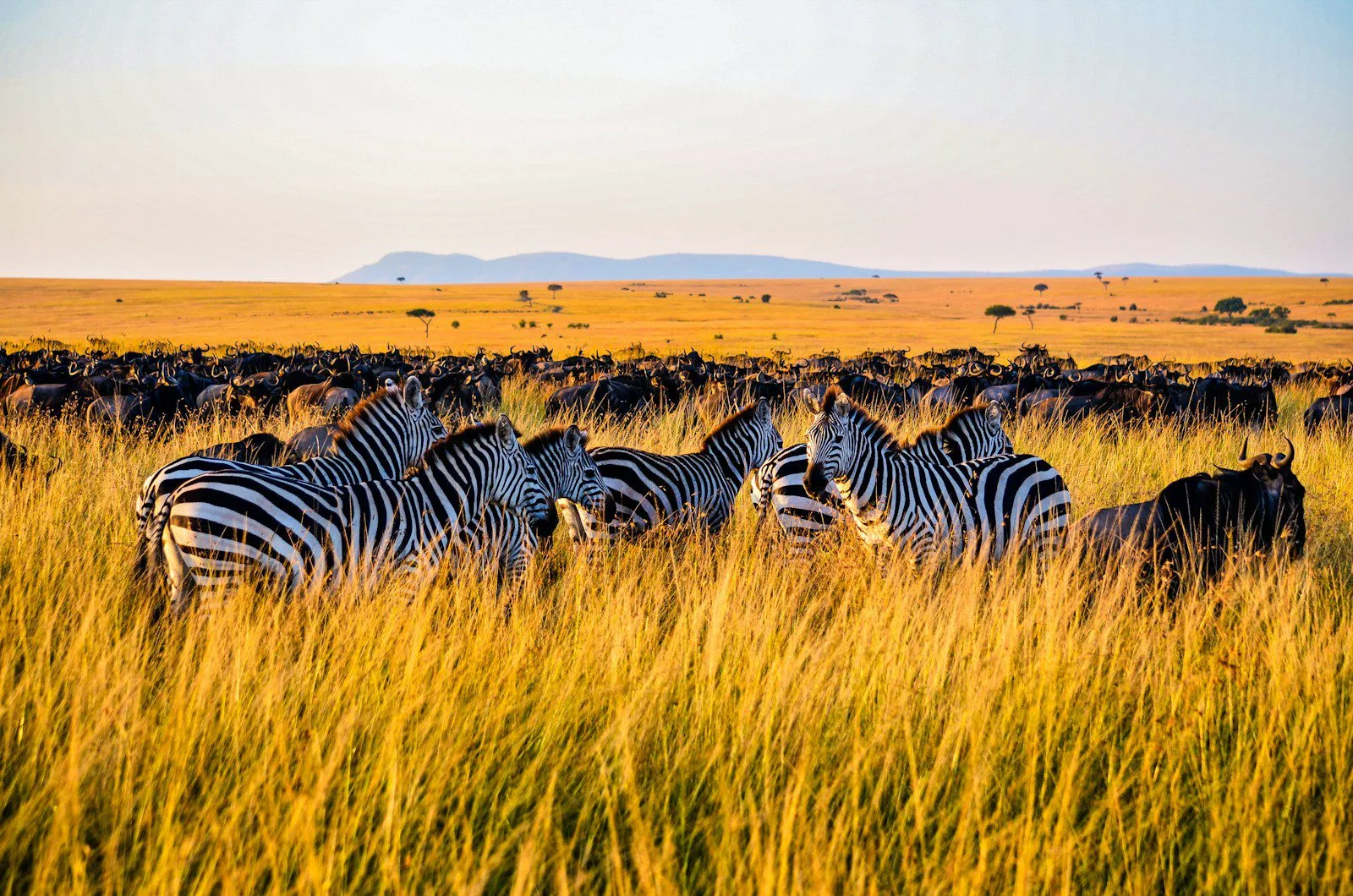
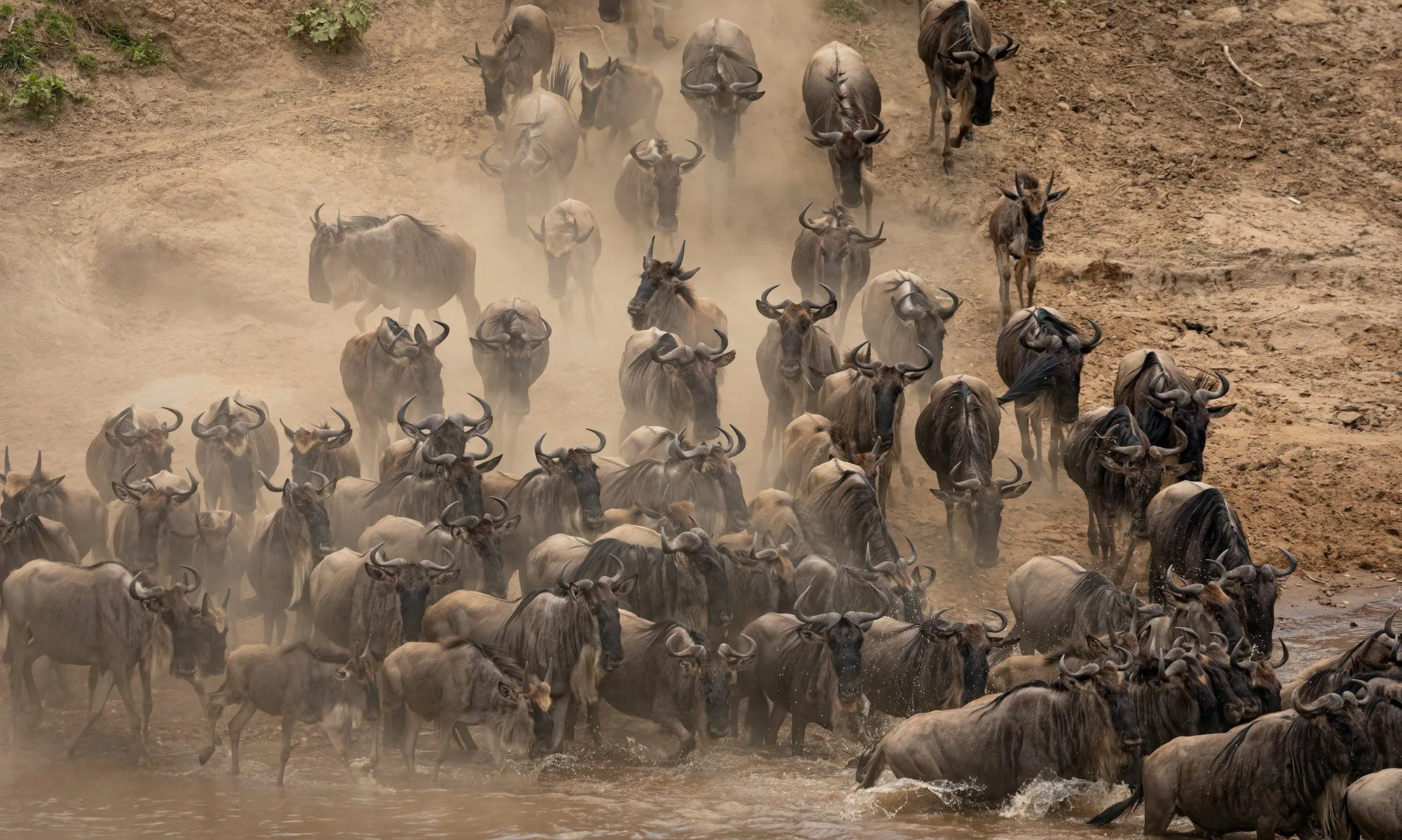
An early departure takes you westward into the Serengeti's Western Corridor, a region that most safari itineraries overlook entirely. This is a mistake, because the Western Corridor offers some of the Serengeti's most dramatic wildlife encounters with far fewer vehicles than the central or northern zones. The landscape shifts from open grassland to riverine woodland as you approach the Grumeti River system, a critical lifeline for both resident and migratory wildlife. During the Great Migration months of May through July, hundreds of thousands of wildebeest mass along the Grumeti's banks, building courage to cross waters patrolled by enormous Nile crocodiles. Even outside migration season, the river attracts large concentrations of hippos, elephants, and buffalo. The Western Corridor supports significant populations of topi, an antelope species that reaches its highest density here, along with eland, defassa waterbuck, and the rare roan antelope. Lion prides in this region tend to be smaller but more aggressive, hunting in thick bush rather than on open plains. Your guide knows the best crossing points and predator territories, positioning you for close encounters with the raw drama of Serengeti survival. The afternoon game drive extends into golden hour, when the low-angle light transforms the savannah into a photographer's paradise.
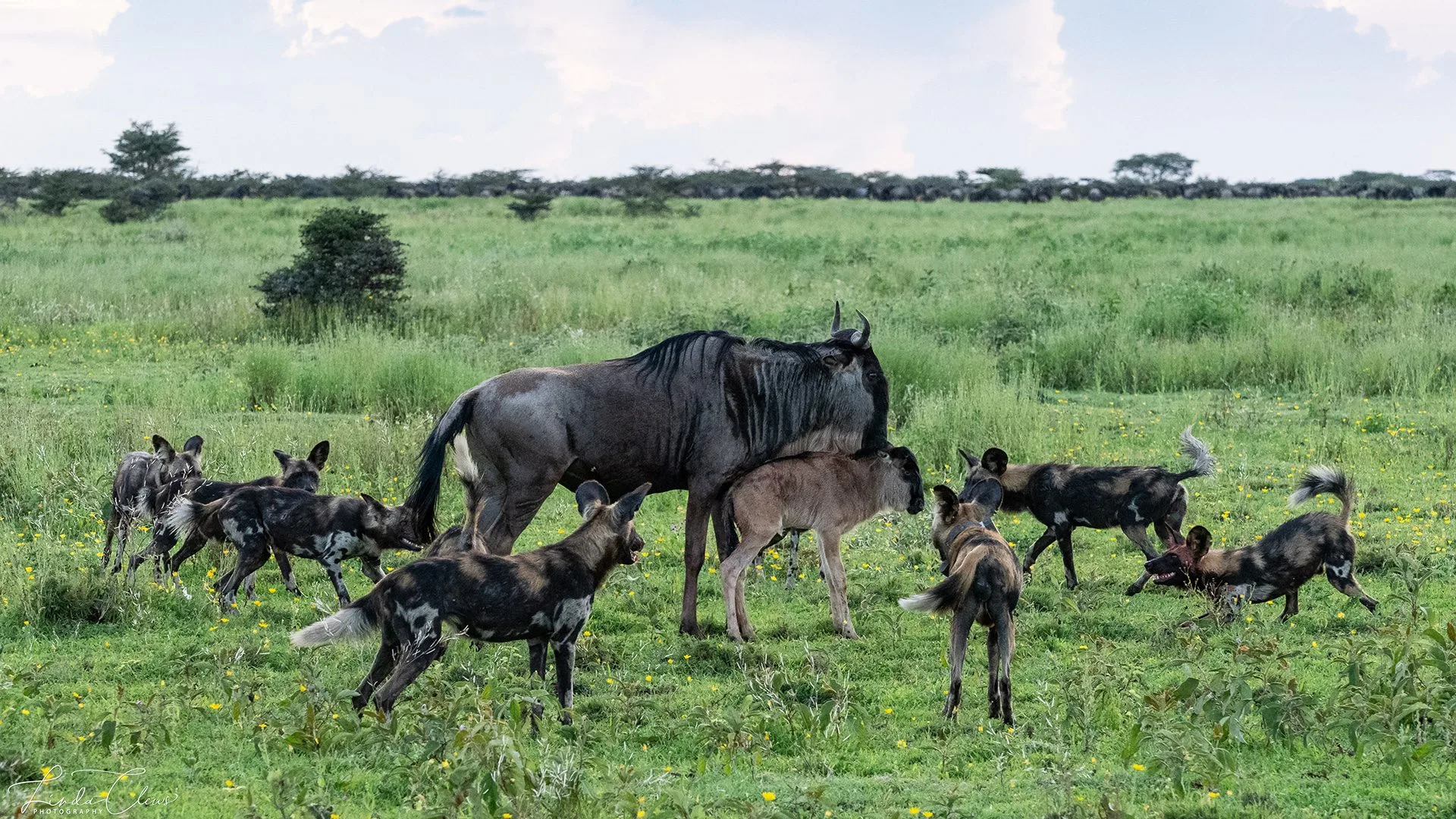
A full day dedicated to the Western Serengeti rewards you with deeper exploration of this remarkable ecosystem. The morning game drive follows the Grumeti River downstream, passing through corridors of fever trees where vervet monkeys chatter and martial eagles scan from the canopy. Your guide tracks fresh predator signs, following paw prints in the sandy riverbed and reading alarm calls from impala herds that signal a hidden threat. Spotted hyena clans are particularly active in this region, and you may witness their complex social interactions at a den site where playful cubs wrestle under the watchful eyes of their mothers. The birdlife of the Western Corridor is exceptional, with over 500 species recorded in the Serengeti ecosystem. Fischer's lovebirds flash green and orange through the acacia, while secretarybirds stride through the grass on their impossibly long legs, stomping out snakes and lizards. A bush picnic lunch beside the river provides a moment of stillness, listening to the sounds of the savannah. The afternoon drive explores different territory, searching for the area's resident leopard population and the large herds of giraffe that browse the woodland edges. As evening approaches, the Western Serengeti reveals its most magical quality: a sense of wilderness and solitude that recalls the Africa of a century ago.
The drive back to the Central Serengeti is itself a game drive, with frequent stops for wildlife sightings as you cross the transitional zone between the Western Corridor's woodland and the central plains. This return journey often produces unexpected highlights: a cheetah mother teaching cubs to hunt, a congregation of vultures signaling a fresh kill, or a massive herd of buffalo moving like a dark tide across the golden grass. Arriving back in the Seronera area, the afternoon game drive explores sectors not covered on Day 3, perhaps visiting the Makoma Hill area where large elephant bulls are frequently spotted, or the Retina Hippo Pool where dozens of hippos jostle for space in the shrinking waterway. The Central Serengeti's predator drama continues to unfold, and your guide checks in with other guides in the network for intelligence on recent big cat activity. A highlight of many afternoon drives is watching a lion pride prepare for an evening hunt, the subtle shifts in posture and eye contact that signal the transition from languid rest to focused intent. Return to the lodge for a final Serengeti dinner, sharing stories of the day's encounters under a canopy of equatorial stars so dense it seems the sky itself is luminous.
After an early breakfast, you depart the Serengeti and drive south toward the Ngorongoro Conservation Area, ascending through highland forest to the crater rim at 2,350 meters above sea level. The first view into the Ngorongoro Crater is one of Africa's most breathtaking moments: a vast, flat-floored caldera stretching 19 kilometers across, its walls rising 600 meters above the floor, enclosing a complete ecosystem that supports approximately 25,000 large animals. Your vehicle descends the steep crater wall via the Seneto access road, and game viewing begins immediately. The crater floor is divided into distinct habitats including grassland, swamp, lake, and forest, each supporting different species communities. The endangered black rhinoceros is the crater's most prized resident, with a small but visible population that can often be spotted grazing on the open plain. Large-tusked bull elephants, some with tusks nearly touching the ground, roam between the Lerai Forest and the open grassland. Lion prides here are among the most photographed in Africa, their dark manes a distinctive feature of the crater population. Lake Magadi, the shallow alkaline lake at the crater's center, attracts flocks of flamingos whose pink reflections shimmer in the midday heat. Spotted hyena clans patrol the grassland with a confidence born of being the crater's apex scavengers. A picnic lunch on the crater floor gives you time to absorb the magnitude of this natural amphitheater before the afternoon drive continues. Ascending the crater in the late afternoon, you arrive at your lodge on the rim for a farewell dinner with panoramic views into the caldera as the last light fades.
Your final morning in Tanzania begins with sunrise over the Ngorongoro Crater rim, a sight that stays with travelers long after they return home. After a leisurely breakfast at the lodge, you depart for the drive back to Arusha, passing through the Ngorongoro Conservation Area where Maasai pastoralists move their cattle across the highland grasslands in scenes unchanged for centuries. The route passes Olduvai Gorge, one of the world's most important paleoanthropological sites where Louis and Mary Leakey discovered early human fossils that reshaped our understanding of human evolution. Arriving in Arusha around midday, you are transferred to Kilimanjaro International Airport for your onward flight, or to your hotel if extending your trip with a Zanzibar beach holiday or a Mount Kilimanjaro climb. As you depart, the memories of the past 8 days crystallize: the thunder of wildebeest hooves on the Serengeti plains, the piercing gaze of a leopard in a sausage tree, the pink shimmer of flamingos on an alkaline lake, and the overwhelming sense of witnessing nature's circle of life in its most magnificent theater.
What to Expect
Visual Journey
More Adventures
Witness the extraordinary spectacle of new life on the plains: an 8-day, halal-friendly safari through Tarangire, the Na…
An unhurried, fully private 12-day safari through Tarangire, Lake Manyara, the Serengeti, and Ngorongoro Crater — your o…
Follow the Great Migration across the Serengeti on this 7-day safari timed to witness dramatic river crossings, predator…
Let us craft your dream safari. Contact our team today and we'll design a personalized itinerary just for you.