
Traveling alone conjures images of empty tables and long silences, but Tanzania quietly rewrites that script. Ask anyone who has done a solo safari in the Serengeti, climbed Kilimanjaro without a single travel companion booked in advance, or wandered Stone Town's alleys by themselves, and they will tell you the same thing: solitude here rarely turns into loneliness. The country's tourism infrastructure was effectively built for exactly this kind of traveler, and understanding how it works is the difference between a trip that feels isolating and one that feels like freedom.
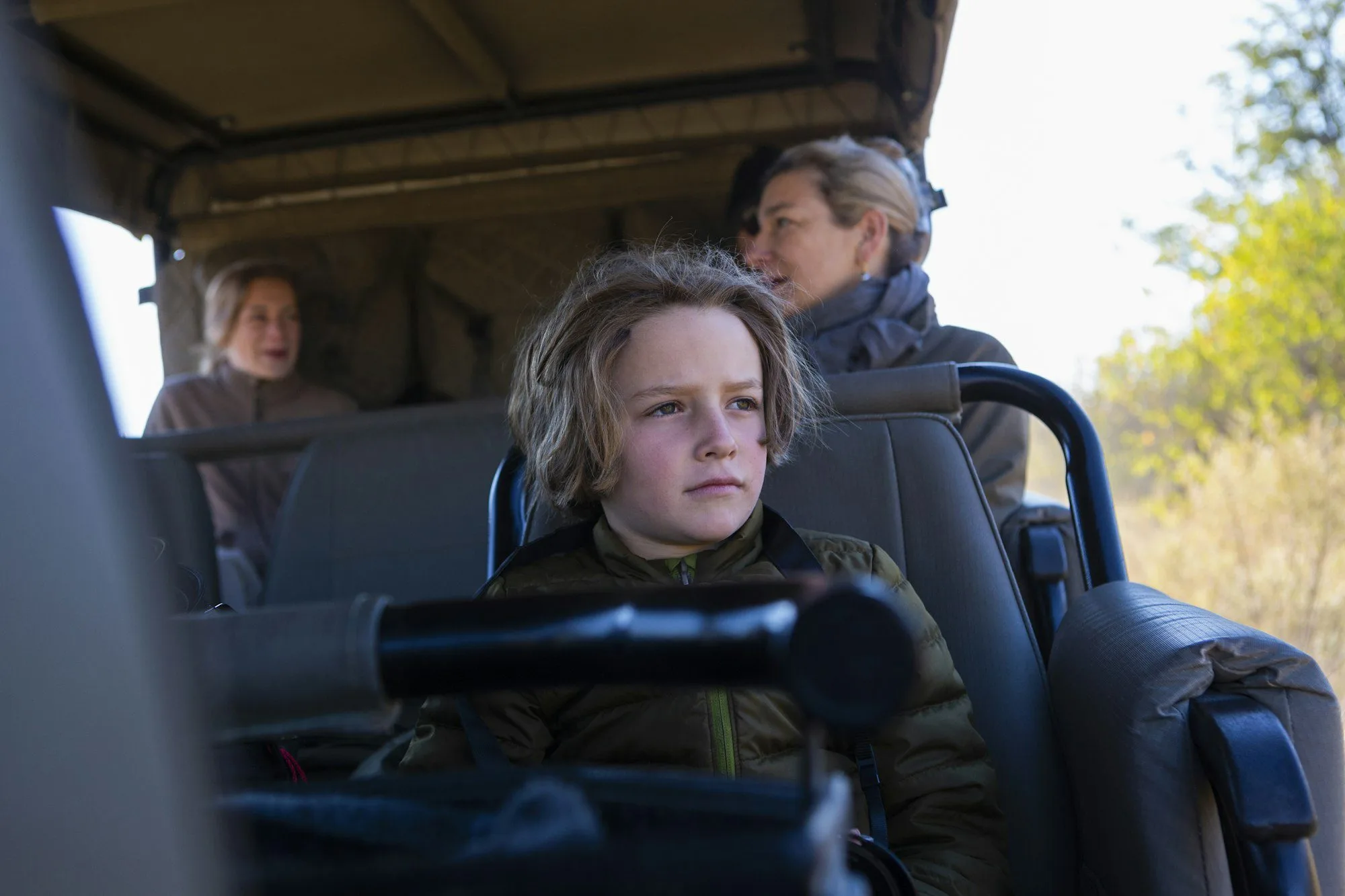
The mechanism behind this is the group safari, and it is worth understanding before you book anything. Rather than paying for a private vehicle and guide, solo travelers join a small group — typically four to six people — who share transport, park fees, and an itinerary. This isn't a compromise; it's the smarter option even for people traveling in pairs. Splitting costs makes a Serengeti safari dramatically more affordable, and sharing a vehicle with strangers who are all leaning out the same window to photograph the same leopard turns into instant, low-pressure conversation. You are never forced to socialize, but you are rarely alone unless you choose to be.
Arusha is where most of this begins. As the launch point for nearly every northern-circuit safari and Kilimanjaro trek, the town has developed a genuine solo-traveler ecosystem: guesthouses that double as informal meeting points, cafés where itineraries get compared over coffee, and tour operators who are used to matching individual travelers into group departures. It's an easy, low-stakes place to get your bearings, adjust to the pace of Tanzanian travel, and — if you want it — meet the people you'll end up sharing a safari vehicle with a few days later.
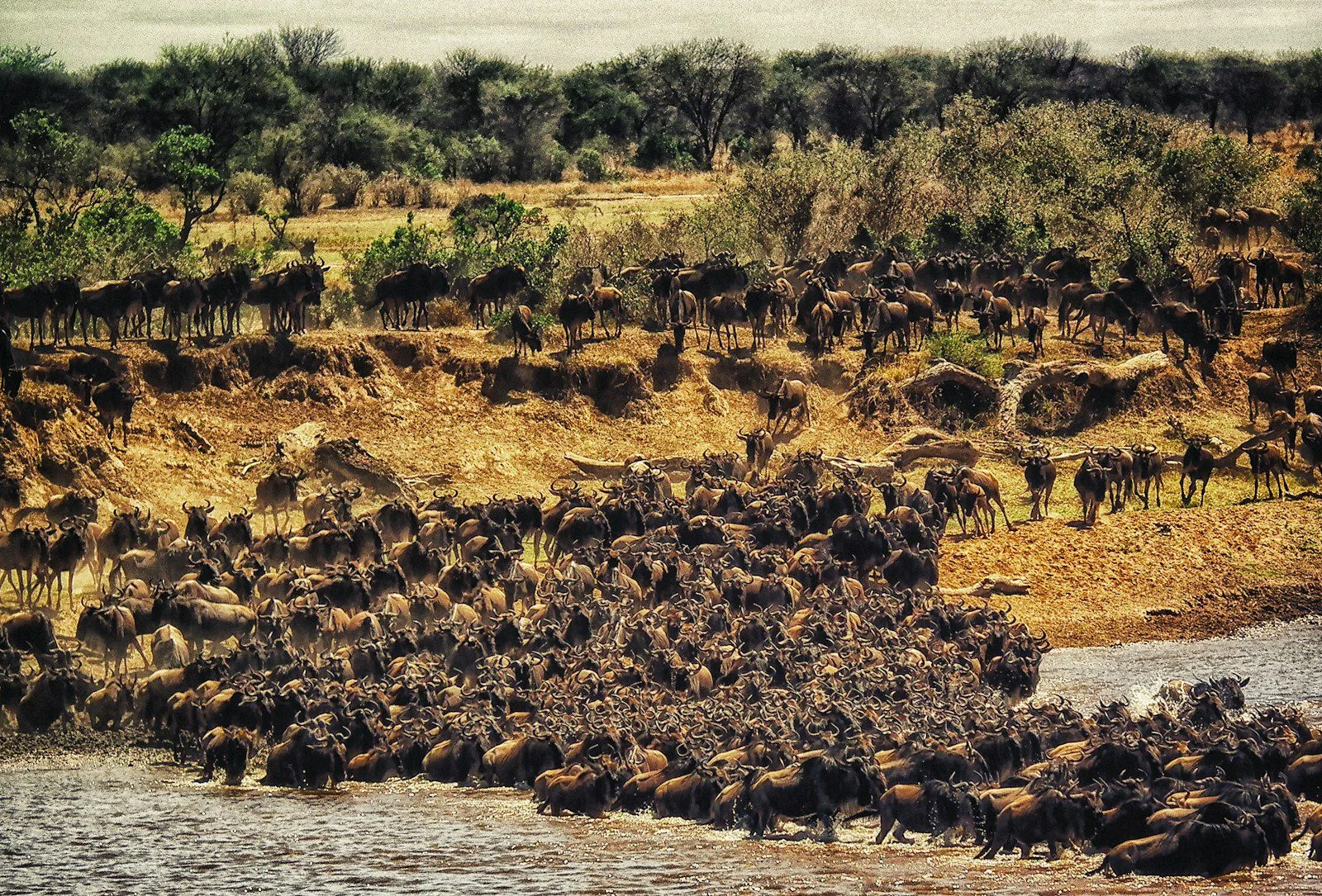
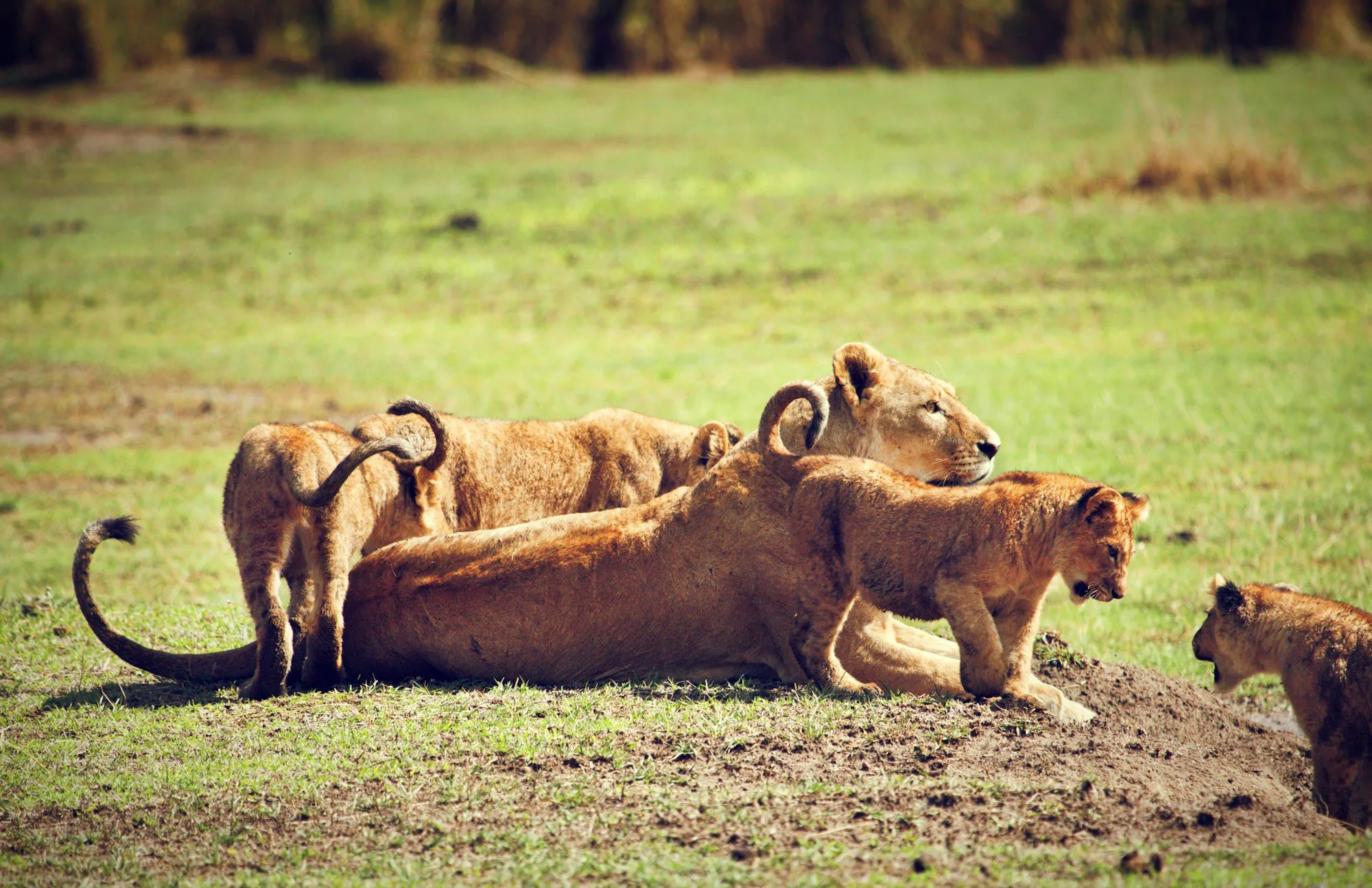
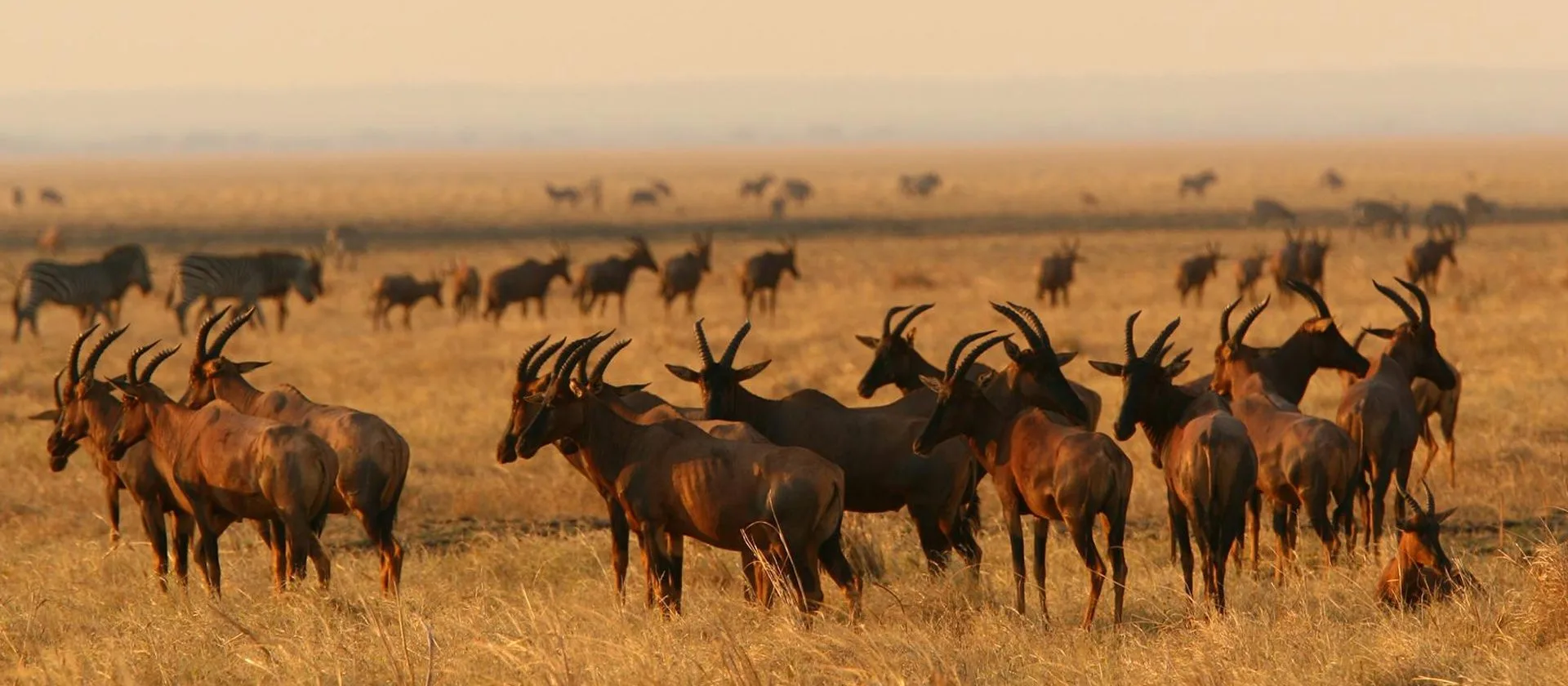
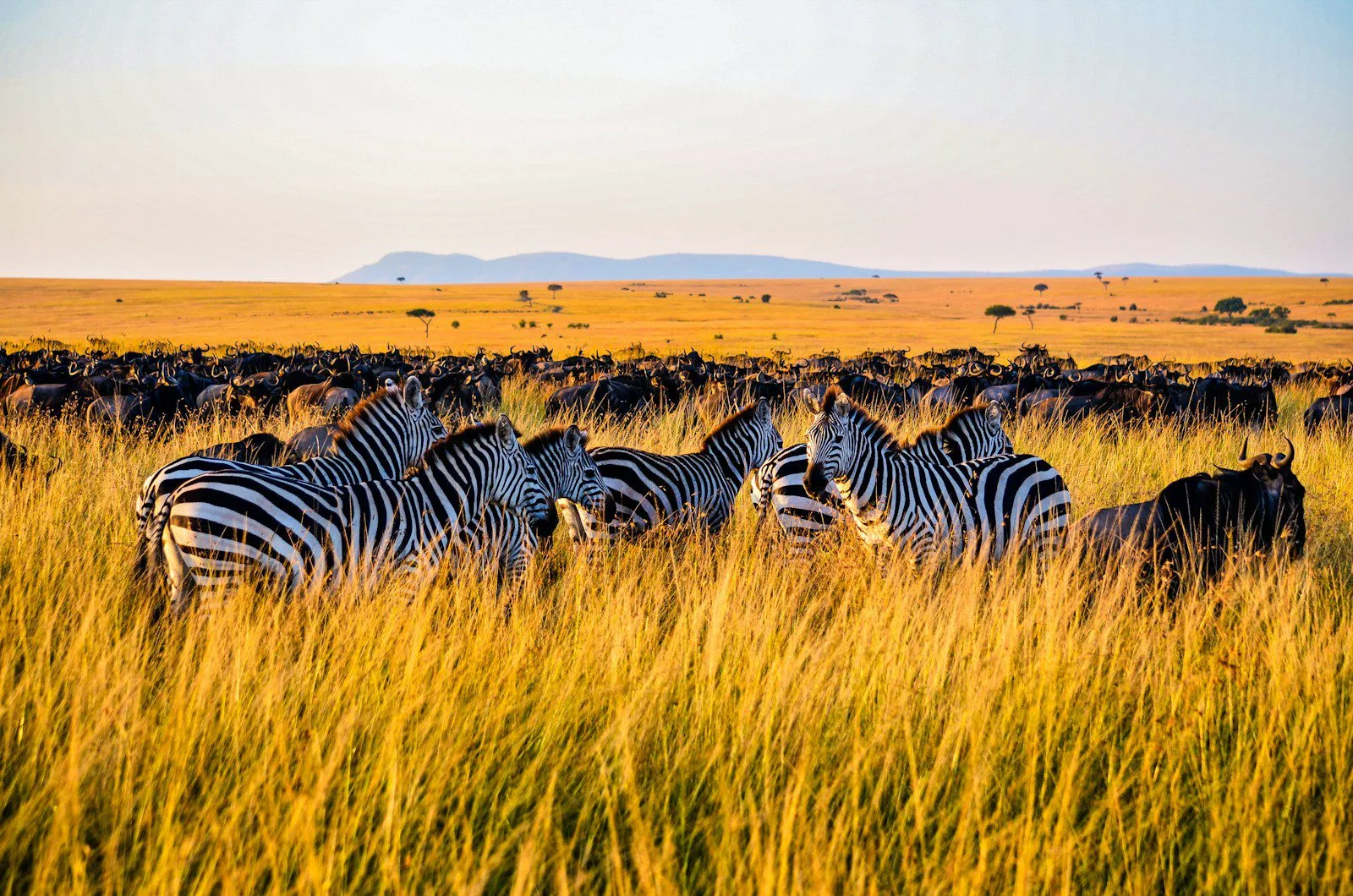
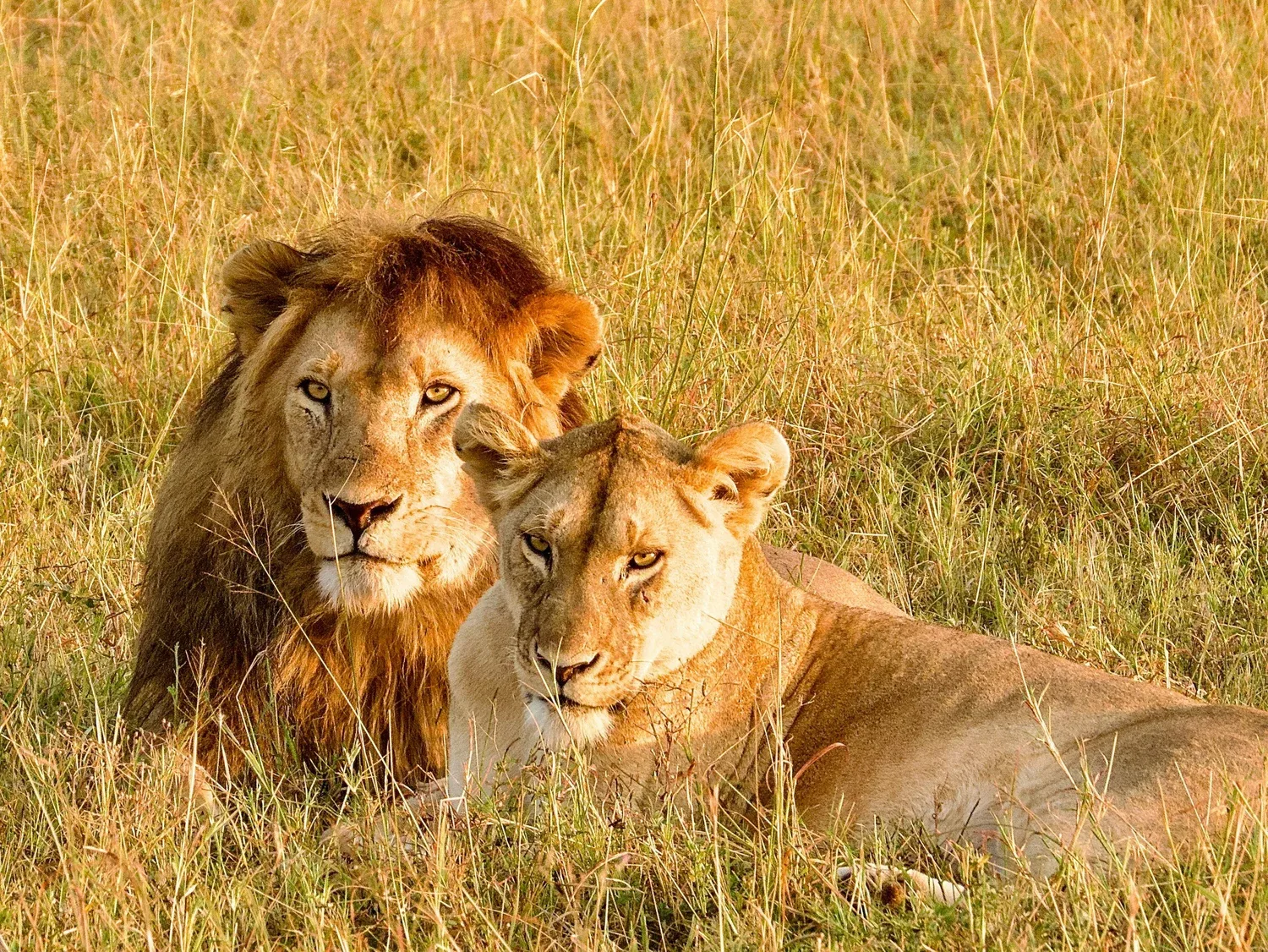
Once you're out on the plains, the Serengeti does the heavy lifting. Its wildlife density is genuinely unmatched in Africa — lion prides, leopards draped over acacia branches, cheetahs working open ground, and, if timing allows, the thundering scale of the wildebeest migration. For a solo traveler this matters more than it might seem: frequent, dramatic sightings keep energy high and give a vehicle full of strangers a constant, easy reason to talk. Long, quiet drives are where solo travel can feel flat; the Serengeti almost never gives you one.
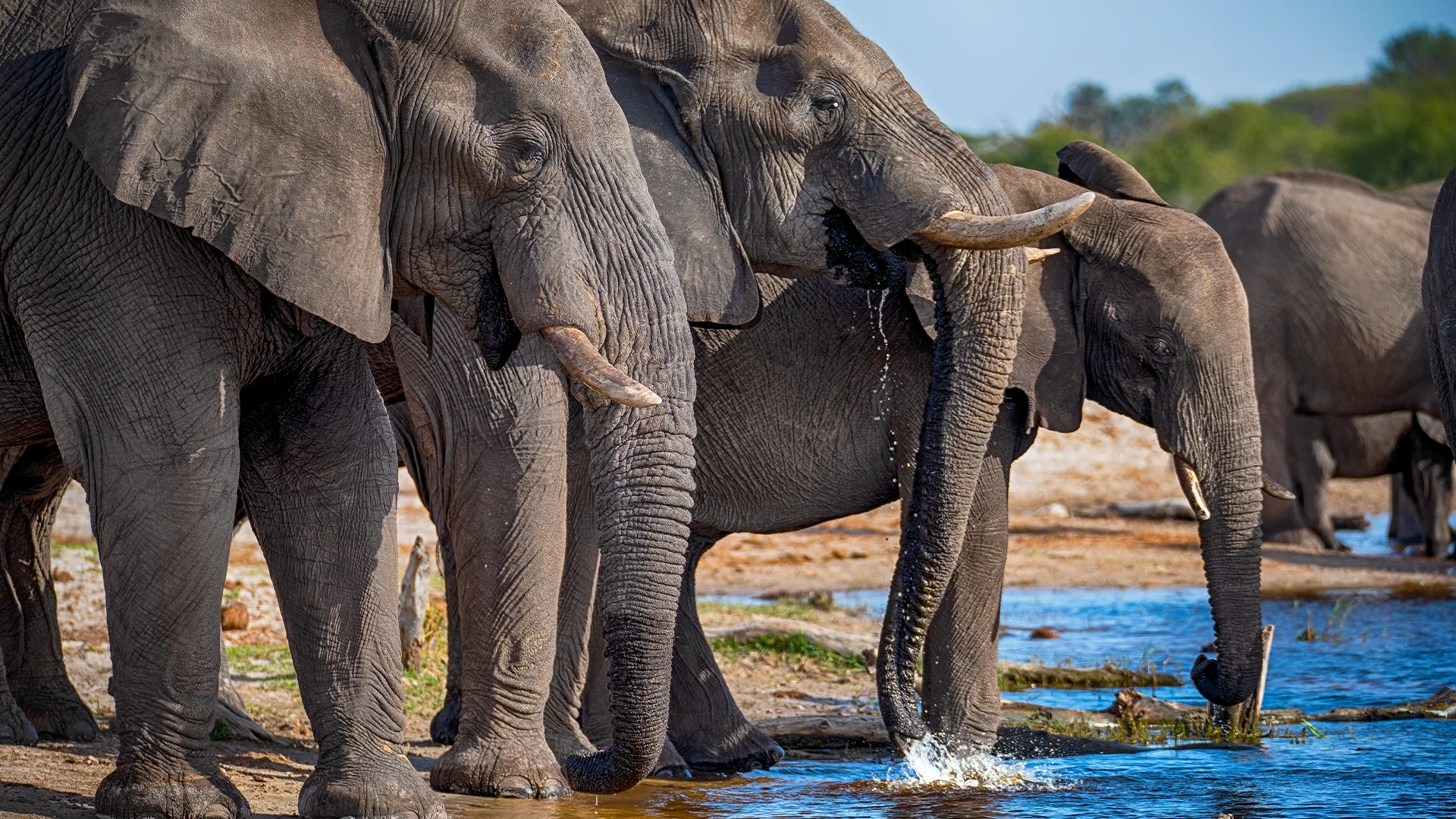
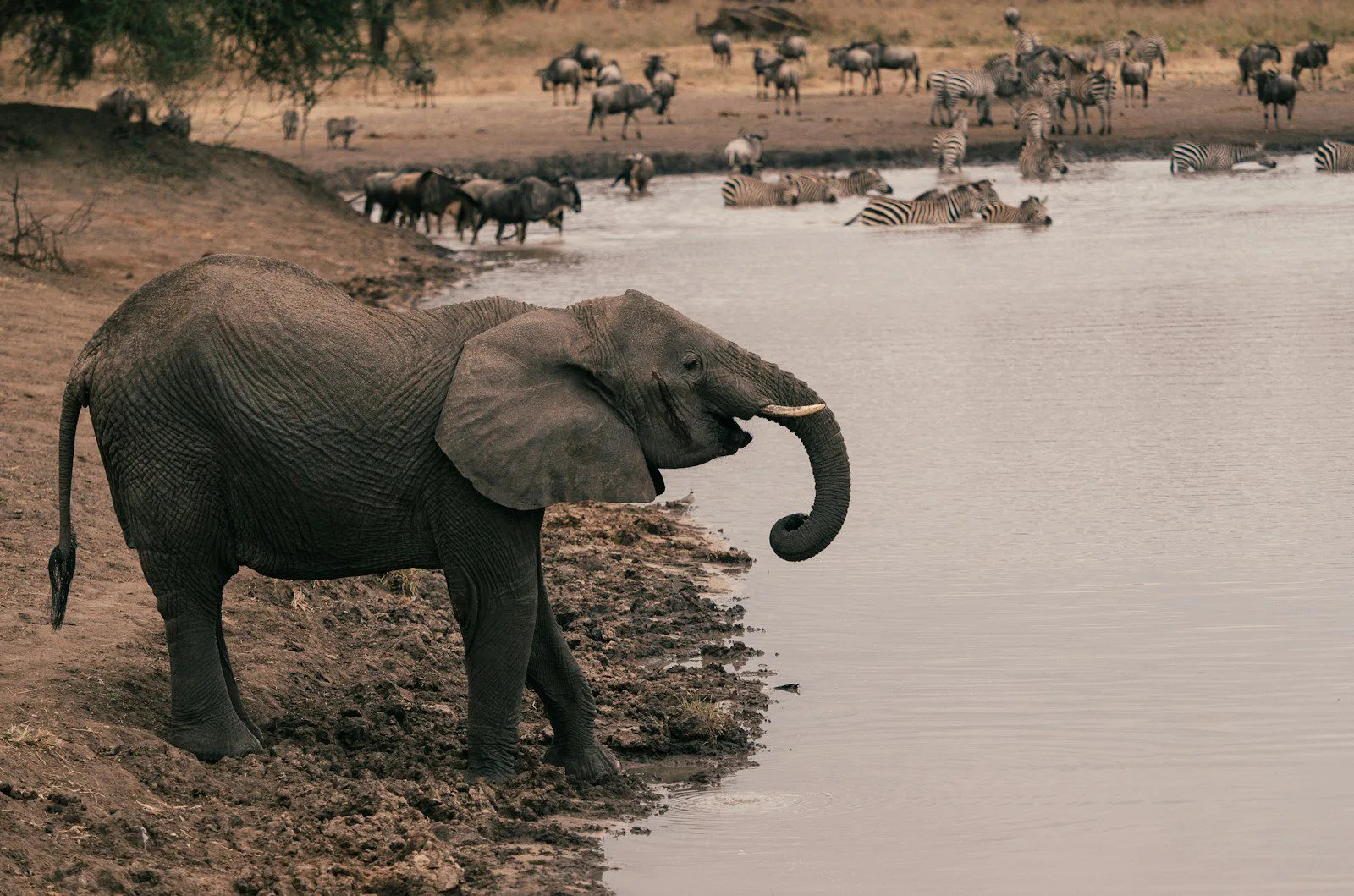
Ngorongoro Crater offers a different, gentler rhythm. Because the crater floor is a contained ecosystem barely 260 square kilometers across, wildlife concentrates rather than scatters — lions, elephants, rhino, hyena, and flamingo-lined soda lakes are often visible without hours of searching. For anyone traveling solo, that compactness removes the fatigue of long game drives and delivers a full day of sightings with minimal physical demand, making it one of the easiest big days on any Tanzania itinerary.
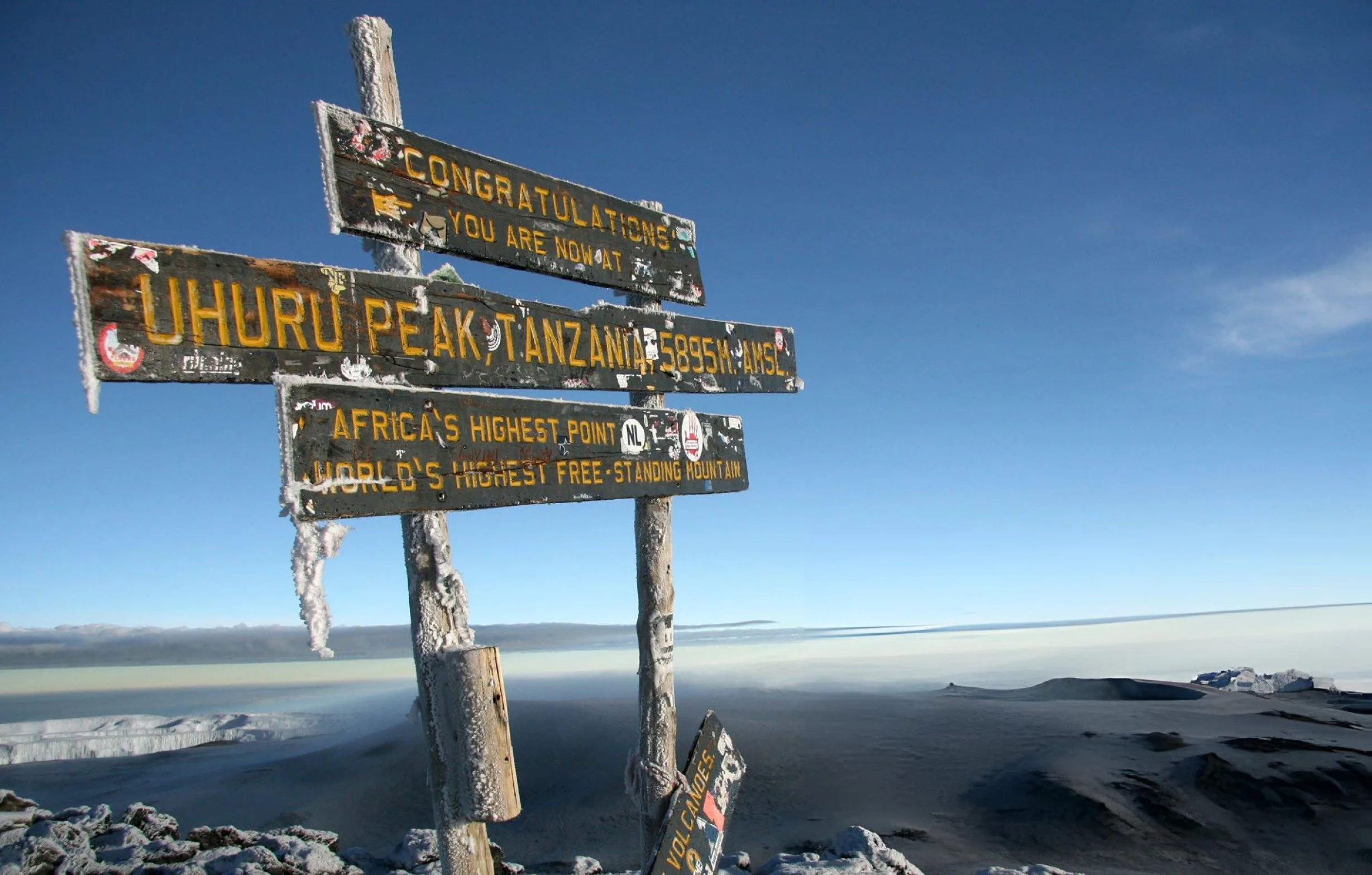
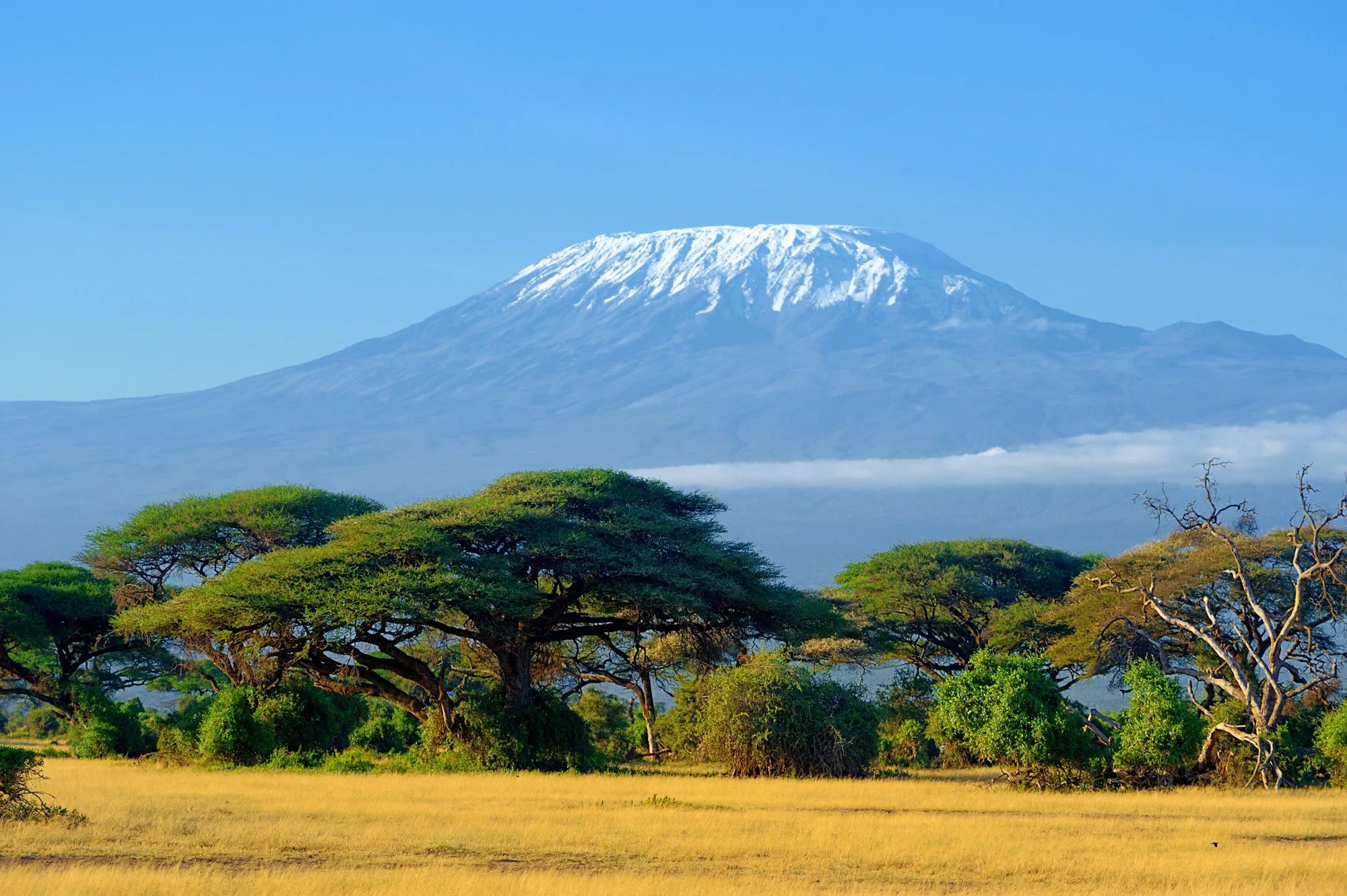
Kilimanjaro asks more of you, and gives correspondingly more back. You start the trek alone, but you're immediately folded into a support structure of guides, porters, and a cook team, plus whichever climbers happen to be on your route that week. Shared effort compresses friendship-building in a way flat conversation rarely does — by summit night, people who were strangers five days earlier are pushing each other through the final, brutal hours to Uhuru Peak. It's consistently the trip within the trip that solo travelers describe as most transformative, precisely because it demands something physical and communal at the same time.
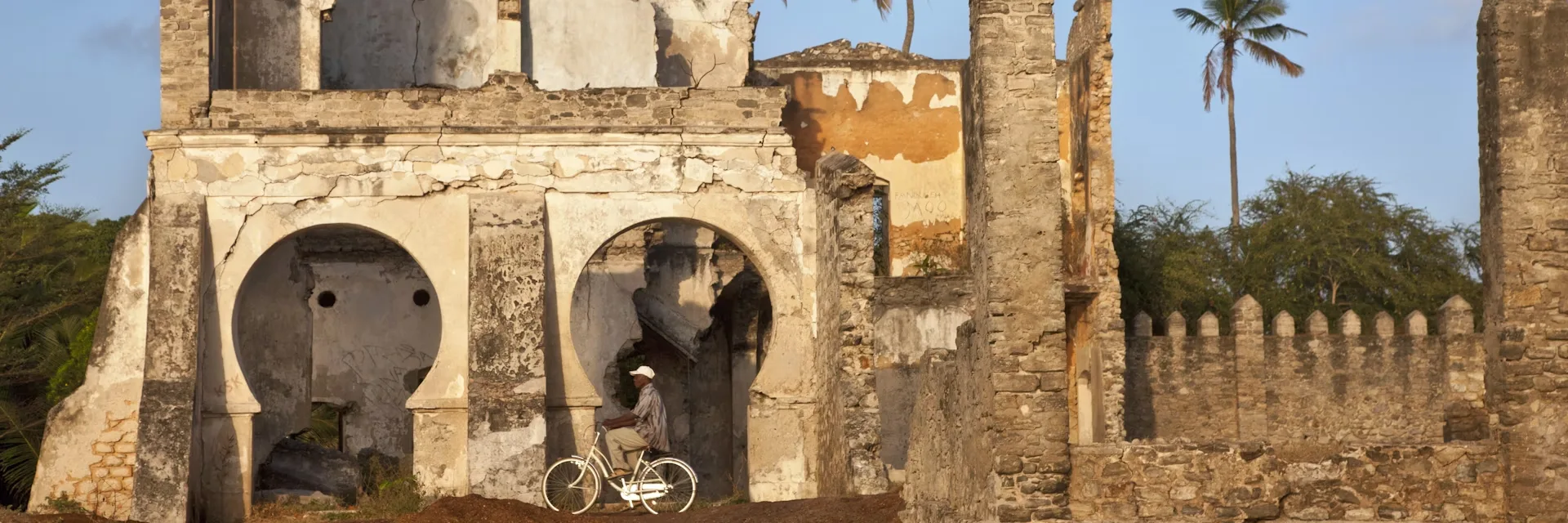
After the dust of the bush or the exhaustion of the mountain, Zanzibar is the release valve. Nungwi suits travelers who want beachfront energy and easy socializing; Paje draws the kitesurfing crowd; Jambiani is quieter and better for slow, unhurried days; Stone Town rewards anyone who wants history, food, and winding streets to get pleasantly lost in. It's also simply a safe, well-organized place to end a trip solo — snorkeling trips, spice tours, and sunset dhow cruises are all set up for travelers joining as individuals.
None of this removes the need for ordinary common sense. Stick to registered taxis or arranged transport, avoid wandering unfamiliar areas late at night, keep valuables out of sight, and book accommodation with good reviews rather than the cheapest option available. Budget-wise, a modest solo trip runs roughly $40–60 a day on the ground before safaris and climbs; a comfortable mid-range trip lands closer to $80–150 a day; genuine luxury starts around $250 a day. Group safaris and shared Kilimanjaro departures are what keep those numbers realistic — and most lodges either waive or reduce their single-supplement charge outside peak season, so ask before you assume a solo booking costs double.
What ties all of this together is a simple, repeated truth: Tanzania's best experiences are structured to include you, not isolate you. You arrive as one traveler and, more often than not, leave with phone numbers, inside jokes, and stories that only make sense to the small group who was standing next to you when the lioness moved. That's the real case for a Tanzania solo safari — not that you'll be alone with the wildlife, but that you won't be, unless that's exactly what you came for.