
Planning a safari with children sounds daunting until you realize Tanzania has quietly become one of the easiest countries in Africa to do it well. Short flights between parks, lodges built for multigenerational groups, and game drives that rarely need to run longer than a couple of hours mean families can build a trip around naps and attention spans rather than fighting against them. The real work isn't finding family-friendly activities — Tanzania has plenty — it's sequencing them so a six-year-old and a sixteen-year-old, plus the adults, all come home talking about the same trip for different reasons.
Age is the first constraint worth being honest about before you book anything. Most reputable camps set a minimum age of six or seven for standard game drives, mainly because young children struggle through the quiet stretches between sightings, and a sudden noise at the wrong moment can spook wildlife or create a safety issue at an unfenced camp. Families traveling with toddlers do best at private conservancies bordering the Serengeti or Tarangire, where a dedicated vehicle and guide turn a two-hour drive into a twenty-minute one built entirely around what the kids can handle that day. If your children are under six, ask specifically whether a lodge will arrange a private vehicle for you — many will bend their general age policy for a family booking even if the printed rule says otherwise.
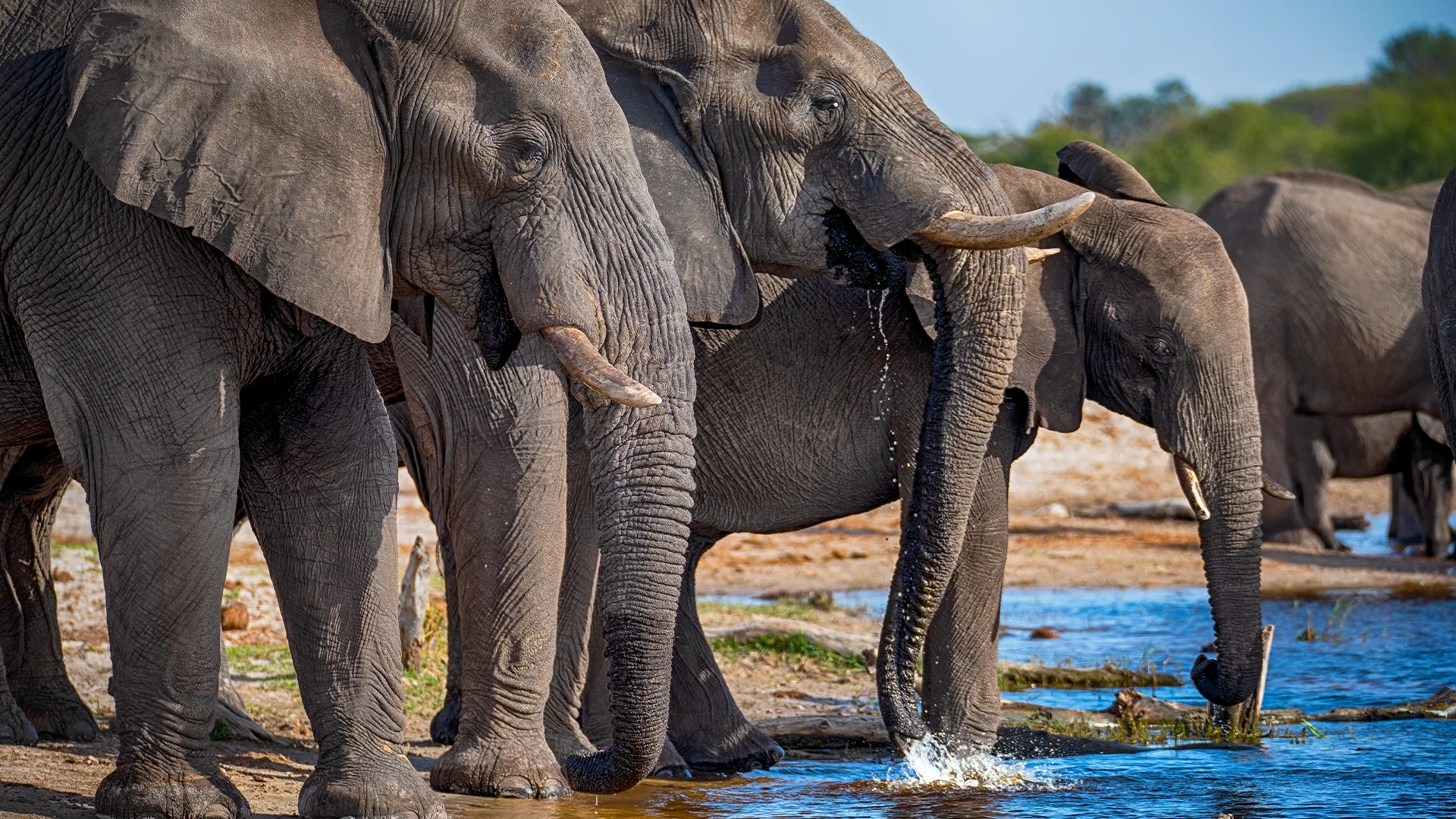
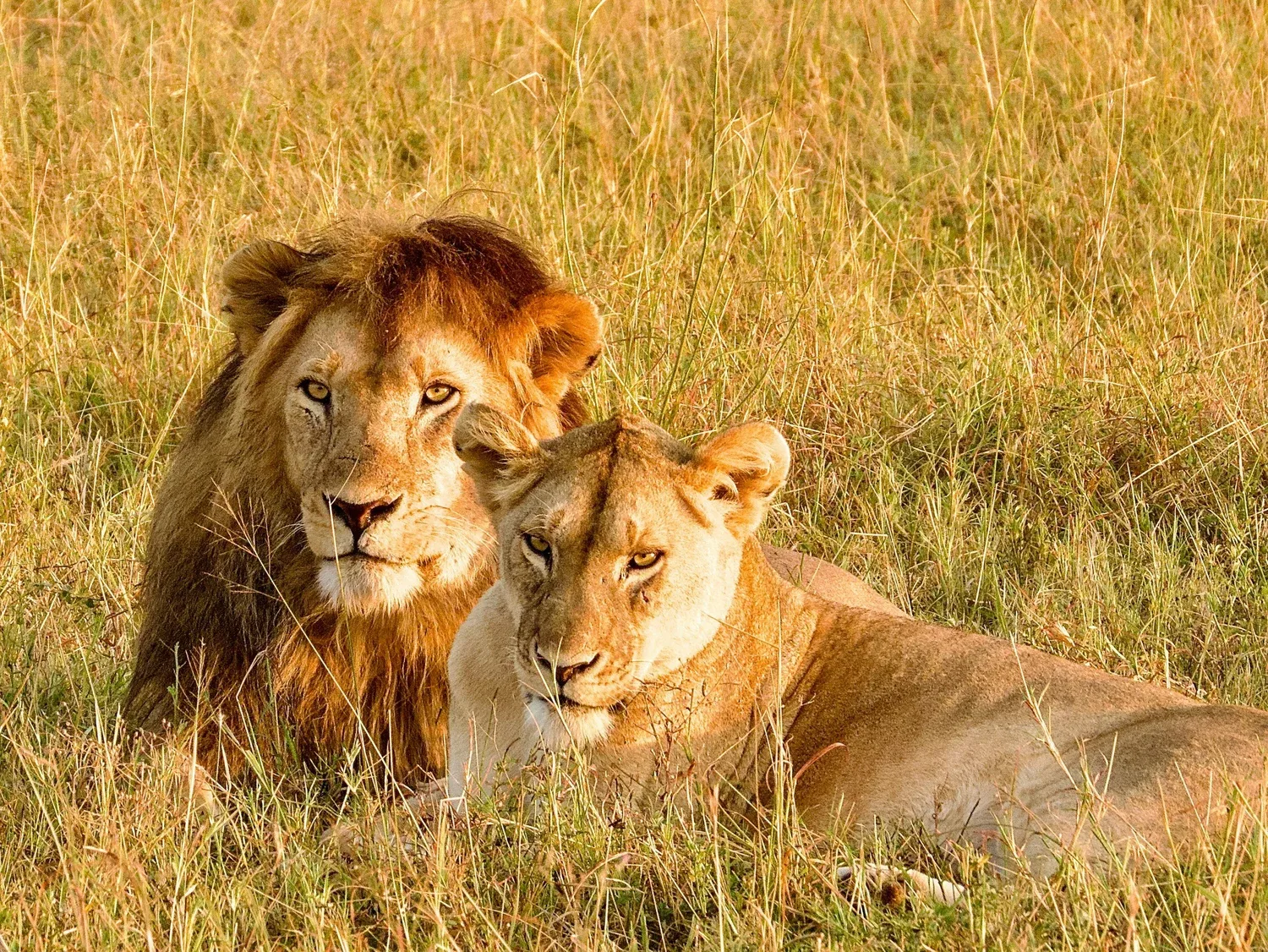
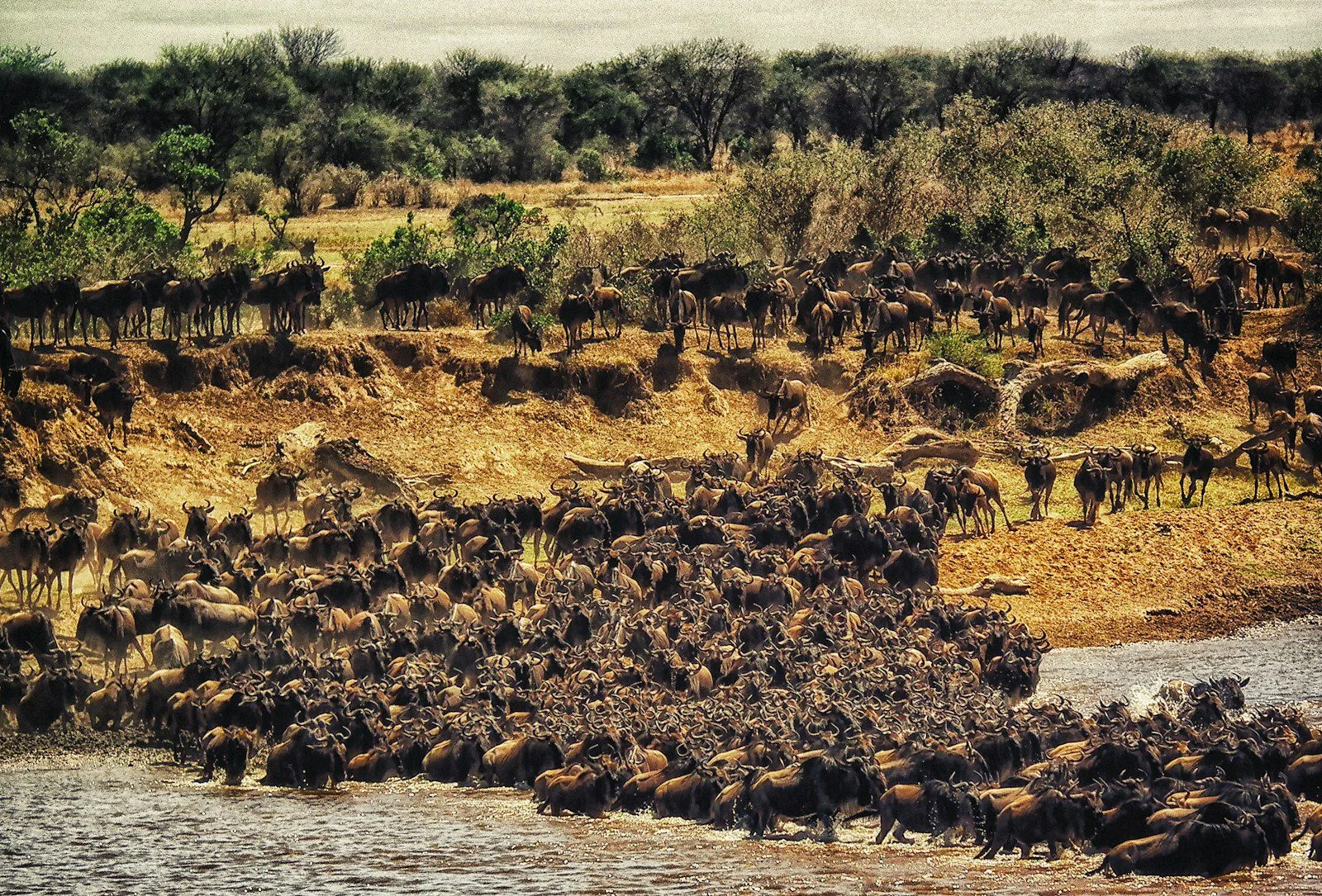
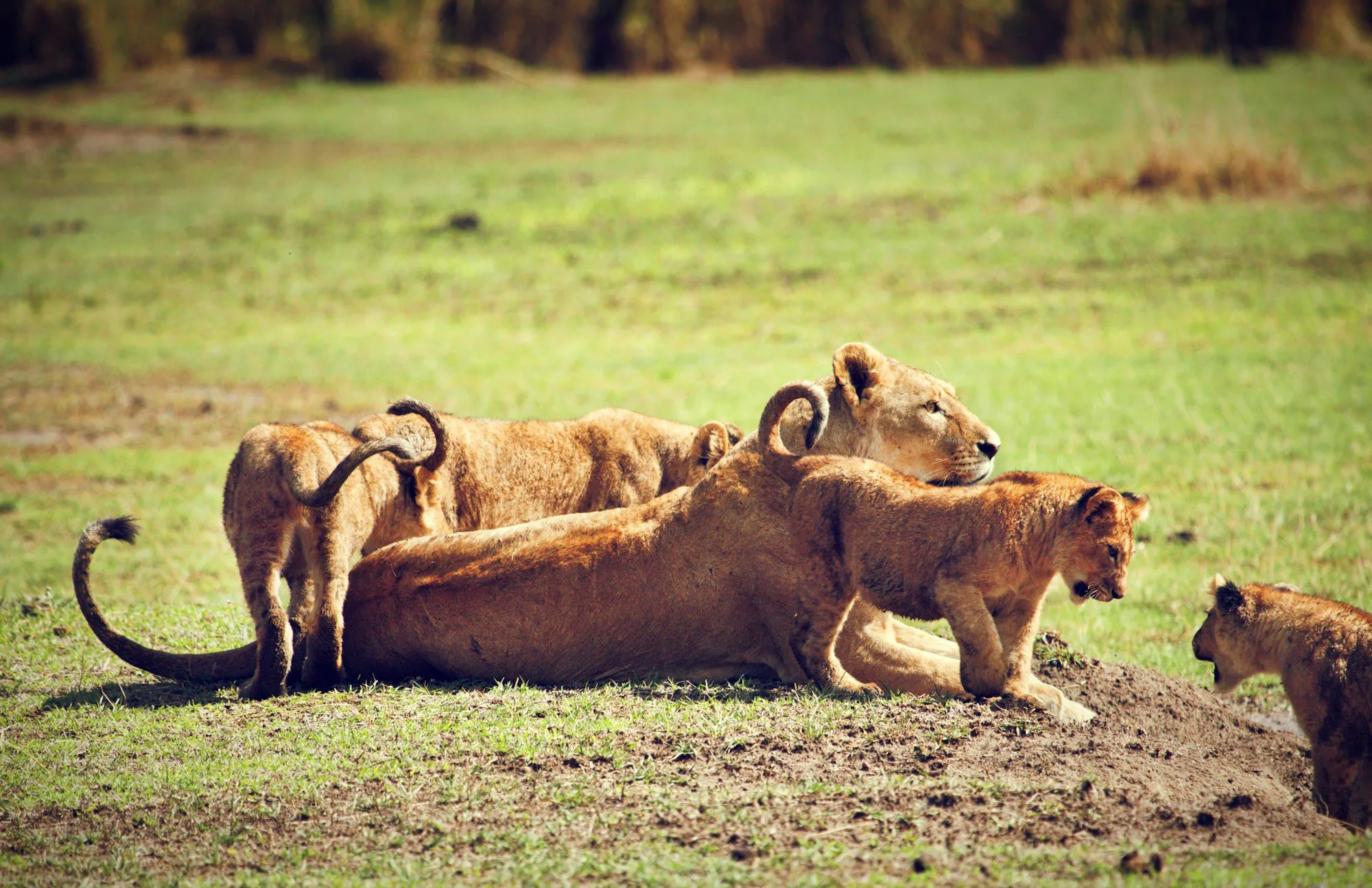
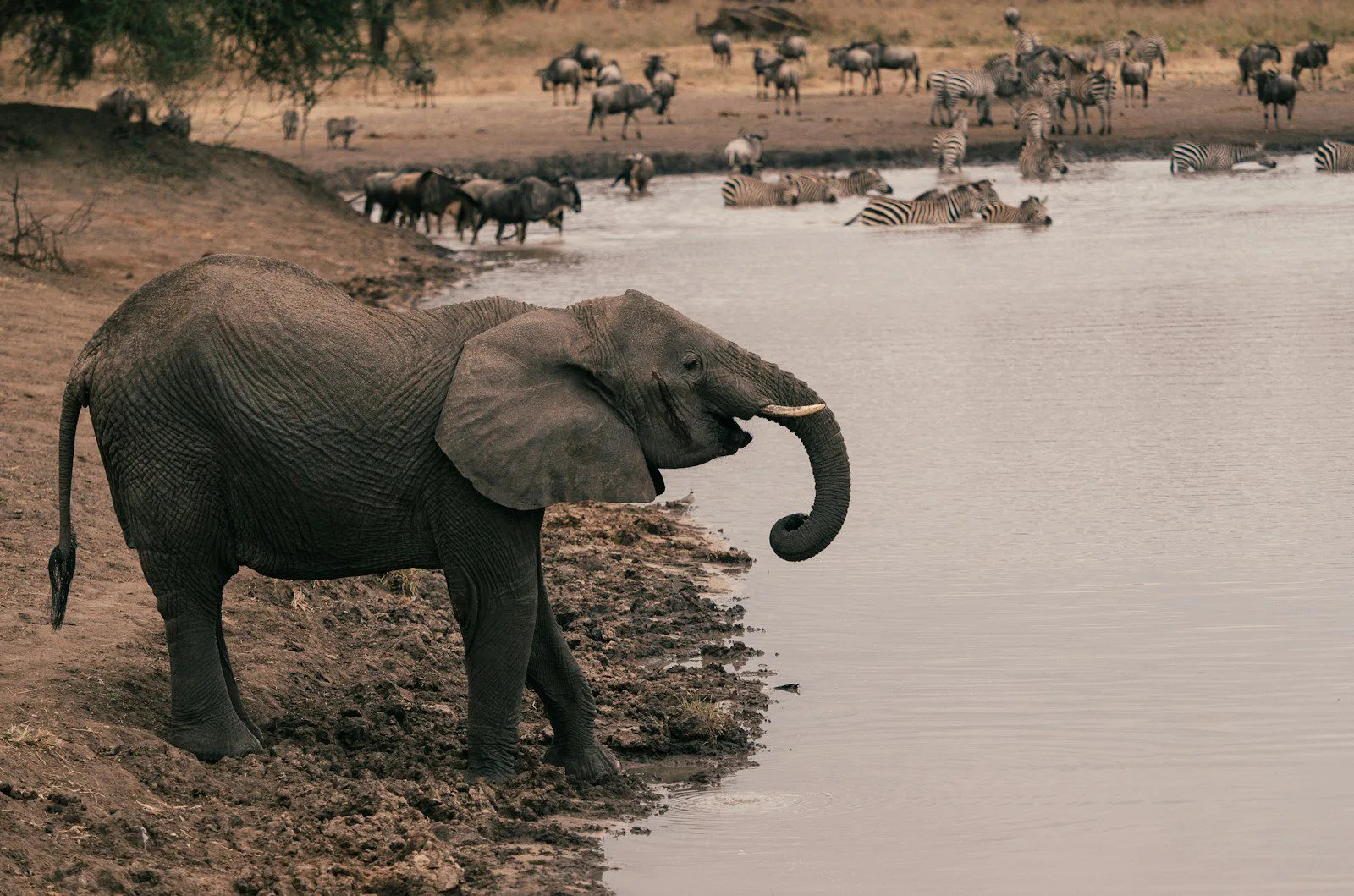
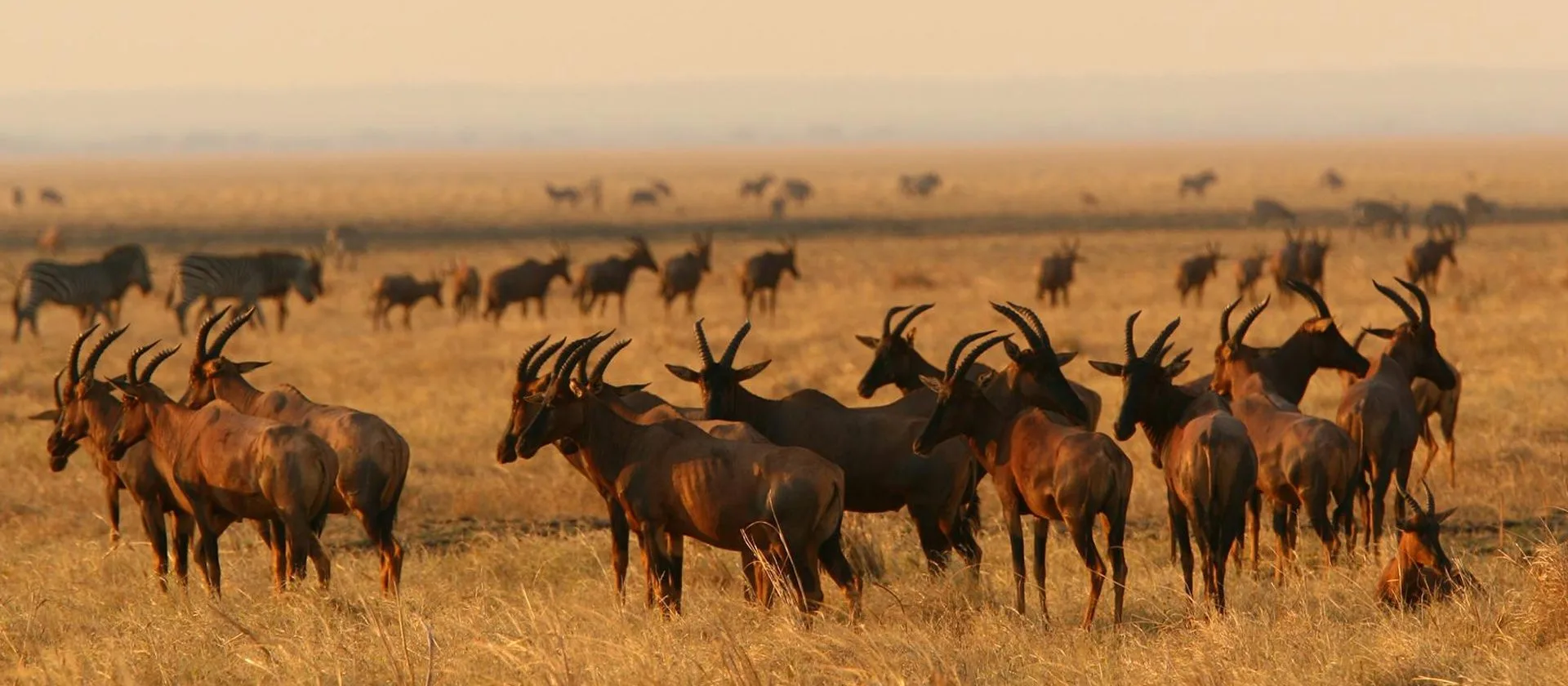
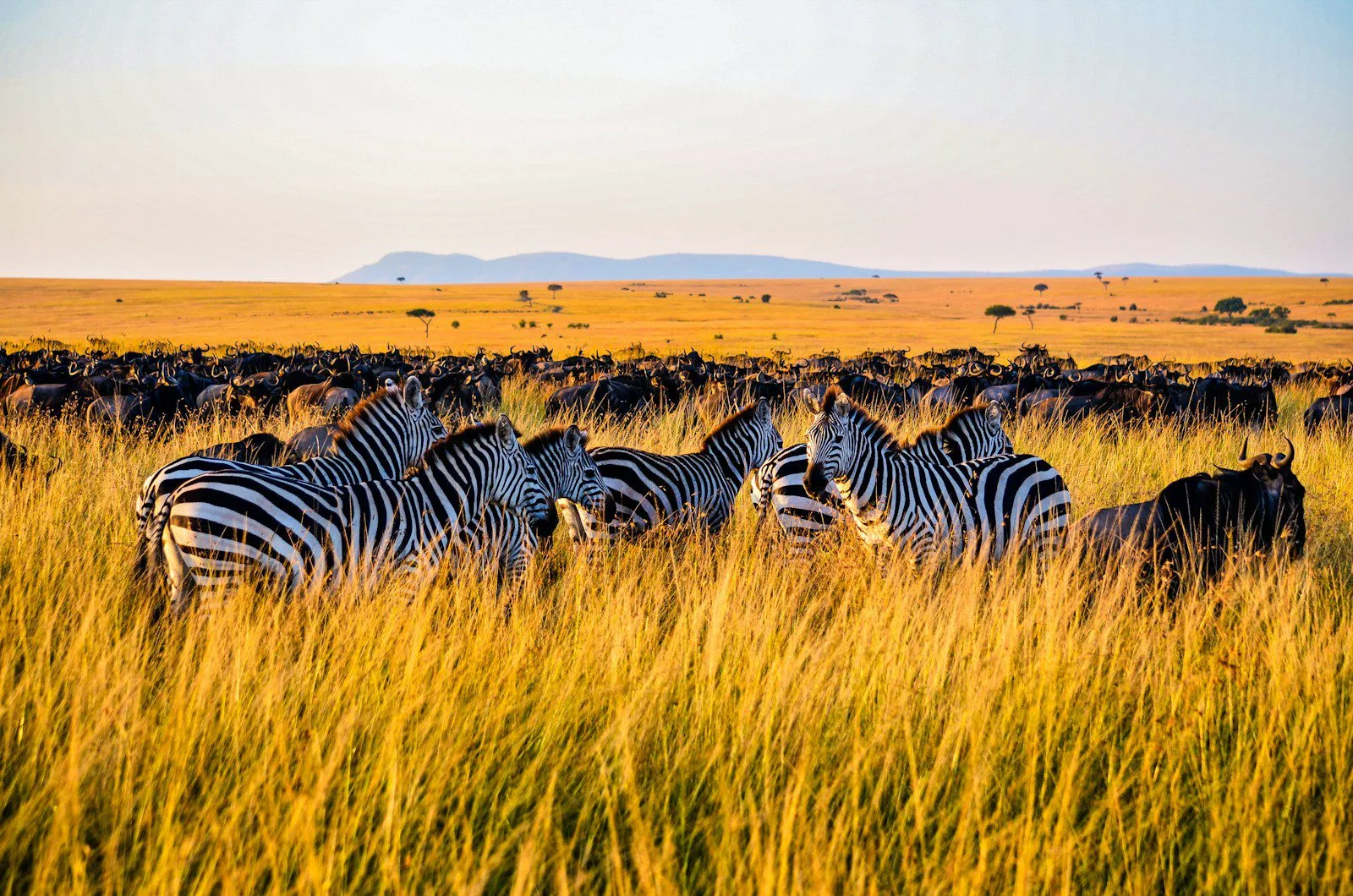
For a first family trip, Ngorongoro Crater is hard to beat. It packs an extraordinary density of wildlife — lion, elephant, hippo, flamingo, and often black rhino — into a single, contained bowl, so young children see results quickly instead of driving for hours between sightings. Tarangire National Park is the other standout for families: its elephant herds are famously large and relaxed around vehicles, the baobab-studded landscape photographs beautifully, and the park is compact enough that game drives can be kept short without feeling rushed. Serengeti National Park is worth including on longer trips, especially during the wildebeest migration, but its distances mean more driving time, so it suits families with slightly older, more patient children better than it suits toddlers.
Malaria is the health question every parent asks, and it deserves a straight answer rather than reassurance alone. The northern circuit parks — Ngorongoro, Tarangire, and much of the Serengeti — sit at higher altitude and carry meaningfully lower malaria risk than coastal areas like Zanzibar or the Selousi region. Many families choose to spend the safari portion of their trip up north and treat any beach extension as a separate risk conversation with their pediatrician, since prophylaxis options and dosing differ significantly for young children. Whatever you decide, pack for mosquito avoidance as seriously as you pack for game drives: long sleeves at dusk, a permethrin-treated layer for the kids' clothing, and repellent reapplied more often than feels necessary.
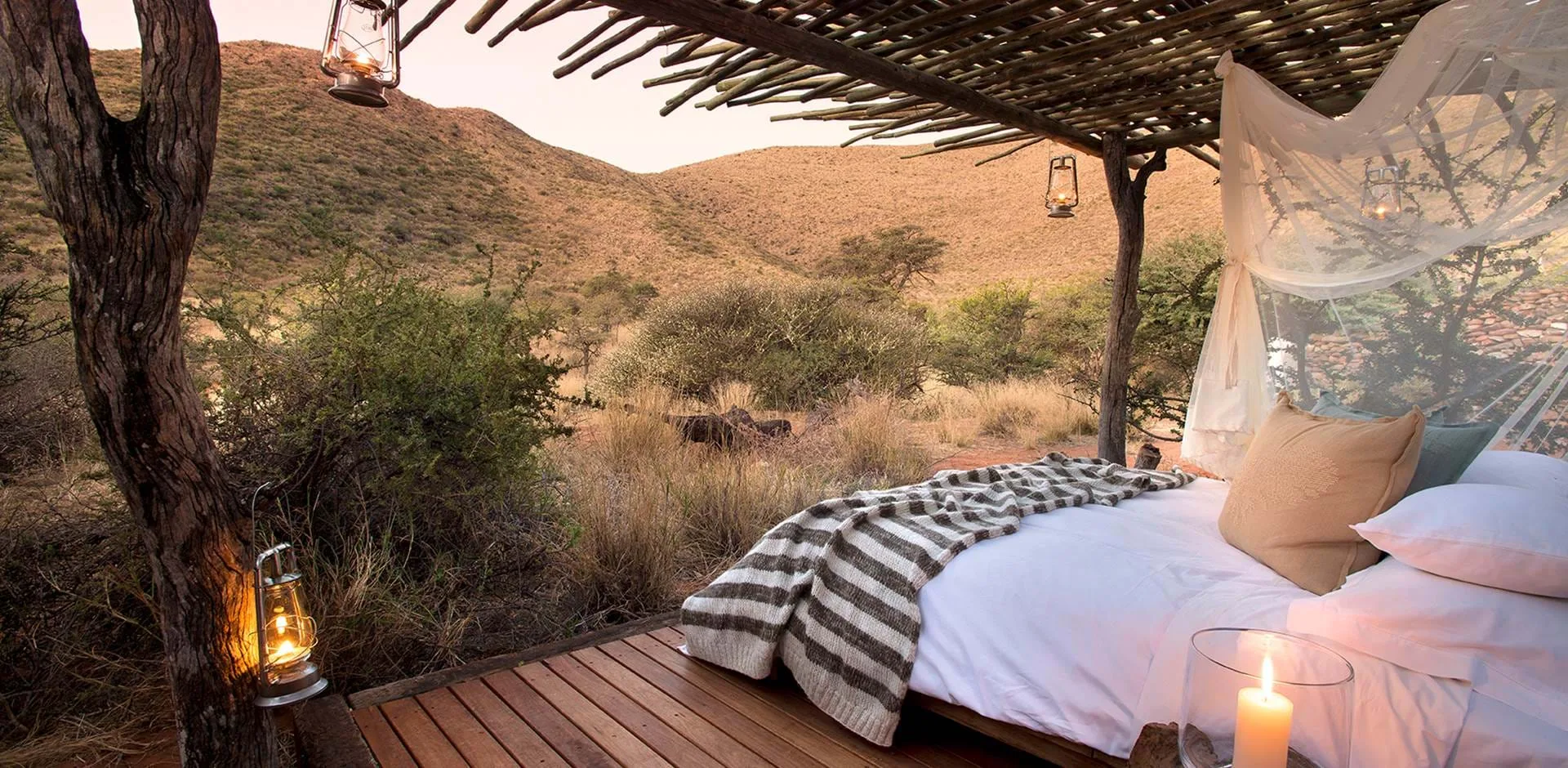
Lodging choice matters more with children than with any other type of traveler. Fenced family lodges near park gates remove a lot of the low-grade anxiety that comes with tented camps, where a walk to the bathroom at night means a guided escort past an unfenced perimeter. That said, many tented camps handle families extremely well by offering interconnected or twin-tent setups, private butlers who double as an extra set of eyes, and kids' activity programs — tracking lessons, Maasai bead-making, junior ranger badges — that keep energy productive during the midday heat when animals are resting anyway. Ask directly about family suites or interleading tents when you book; availability is limited and the good ones sell out well ahead of the July-through-September high season.
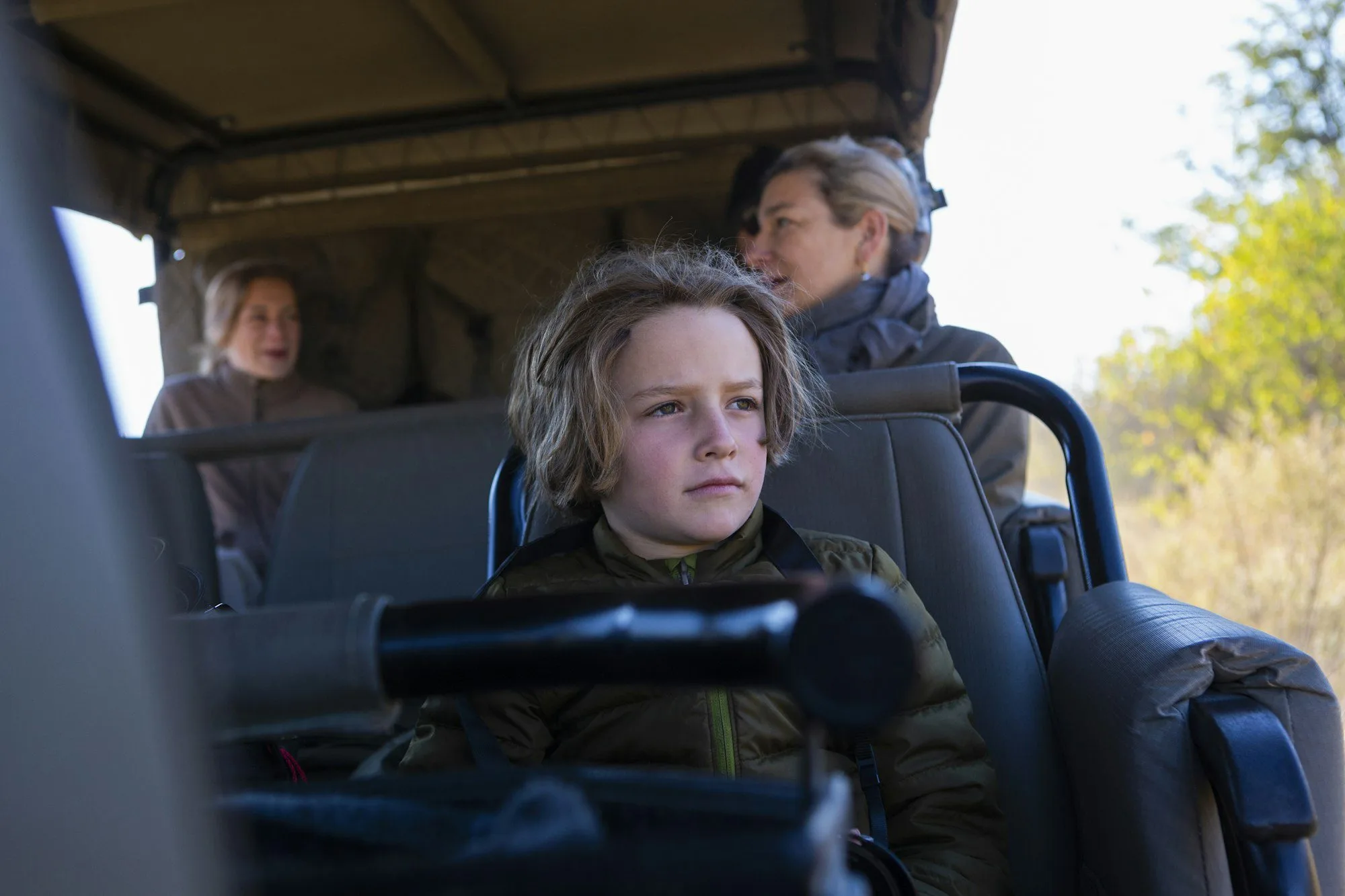
Game drives themselves benefit from a few adjustments most operators are happy to make if you ask. Requesting a private vehicle rather than a shared one means you can turn back early if a child is overheating or bored, stop for unscheduled bathroom breaks, and skip the pressure of other adults waiting for "one more sighting." Morning drives tend to work better than afternoon ones for younger kids, since wildlife is more active and the heat hasn't built up yet — plan on a rest at camp during the hottest hours rather than a second long drive. Binoculars sized for small hands, a simple animal checklist, and letting kids ask the guide questions directly (most Tanzanian guides are genuinely good with children) do more to hold attention than any screen ever will.
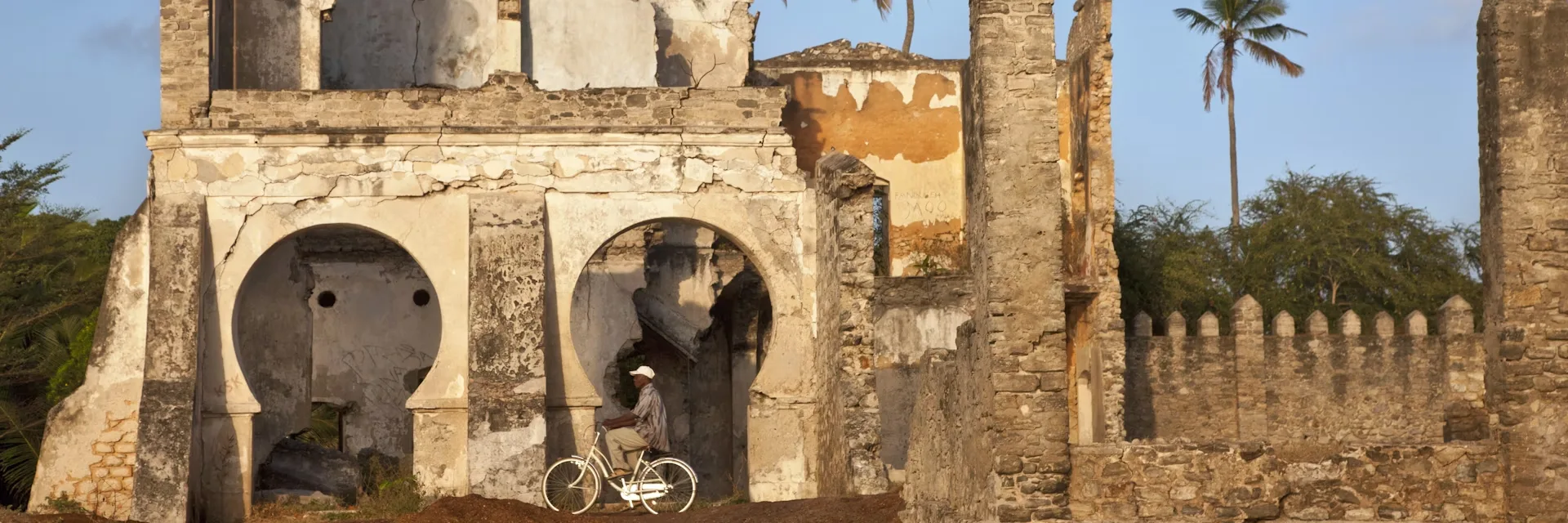
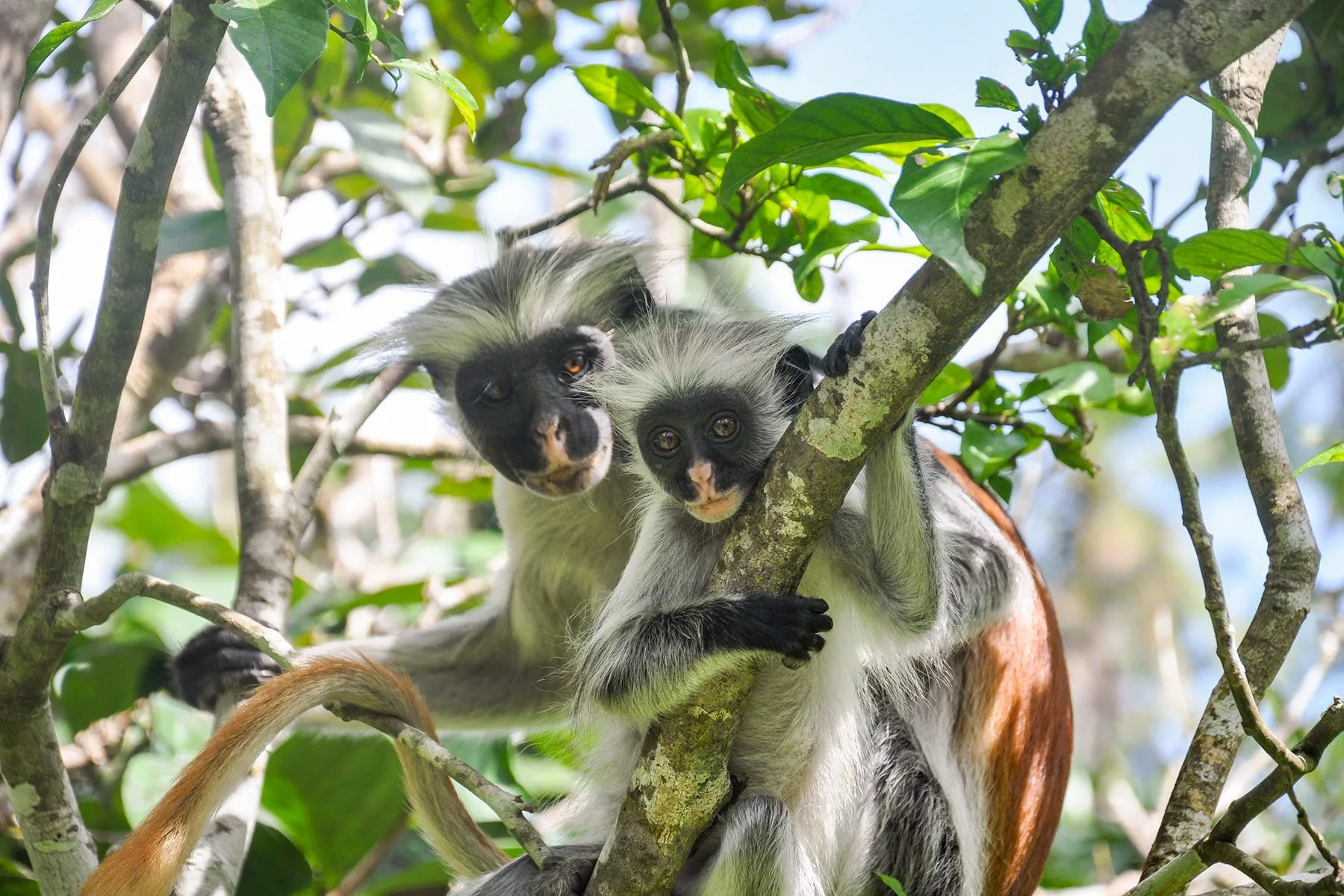
Beyond game drives, Tanzania offers activities that let kids burn energy and engage more actively than sitting in a vehicle allows. A guided walking safari at a conservancy bordering the main parks lets children track footprints and examine dung and termite mounds up close, usually with a shorter, more forgiving pace than a driving circuit. Cultural visits to a Maasai boma or a Hadzabe community, arranged respectfully through a reputable operator, tend to be some of the most memorable parts of a family trip precisely because they involve interaction rather than observation. And for families adding a coastal extension, Zanzibar's calmer beaches, spice farm tours, and Jozani Forest — home to the endemic red colobus monkey — provide an easy, lower-intensity finish to a trip that started with early-morning game drives.
Budget conversations with children in the mix look a little different than they do for a couple traveling alone. Kids under a certain age (often six to twelve, though policies vary by operator) frequently qualify for reduced park fees and sometimes a discounted room rate when sharing with parents, which can meaningfully offset the cost of booking a private vehicle. It's usually cheaper overall to build a shorter, more focused itinerary — say, five or six days across two parks — than to attempt the full northern circuit with young children in tow; you'll spend less on internal flights and transfers, and the kids will handle the pace far better than a longer, more ambitious route.
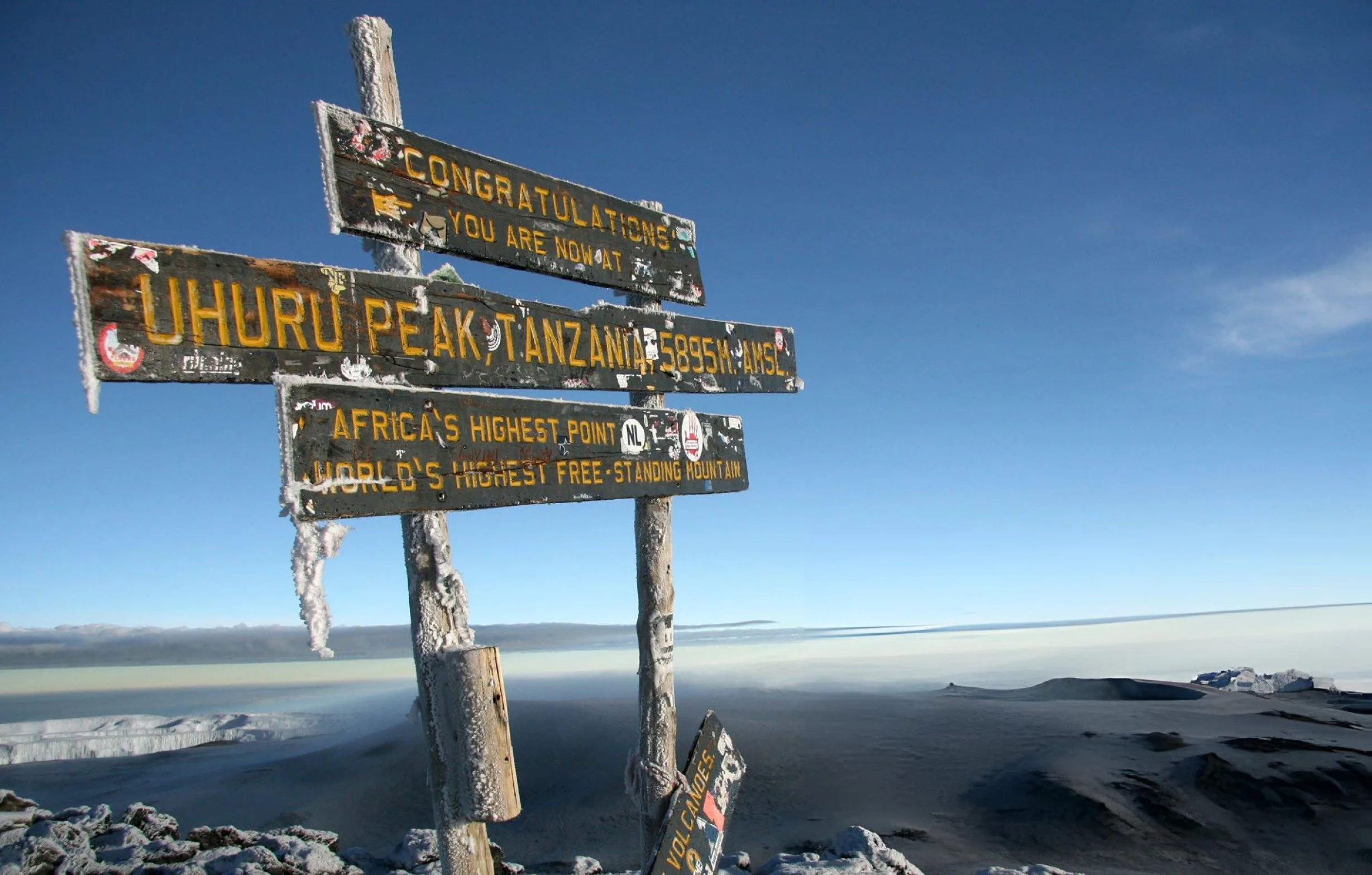
The single best piece of advice for a first family safari in Tanzania is to resist the urge to see everything. A trip that covers Ngorongoro and Tarangire well, with two or three unhurried nights in each, will leave children with vivid memories and parents with a genuine sense of having relaxed. A trip that tries to add the Serengeti, a Kilimanjaro day hike, and a beach week on top of that same timeline usually leaves everyone — adults included — more exhausted than when they left home. Build in slack, trust your guide's read on your kids' energy, and let the wildlife set the pace rather than the itinerary.