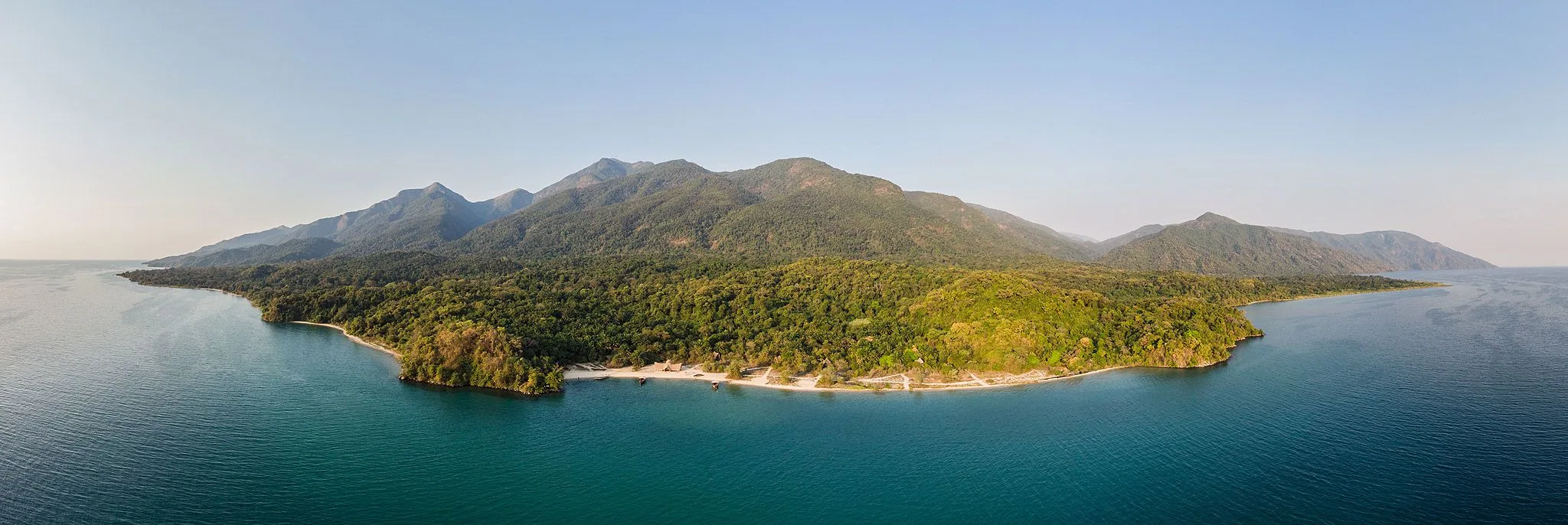

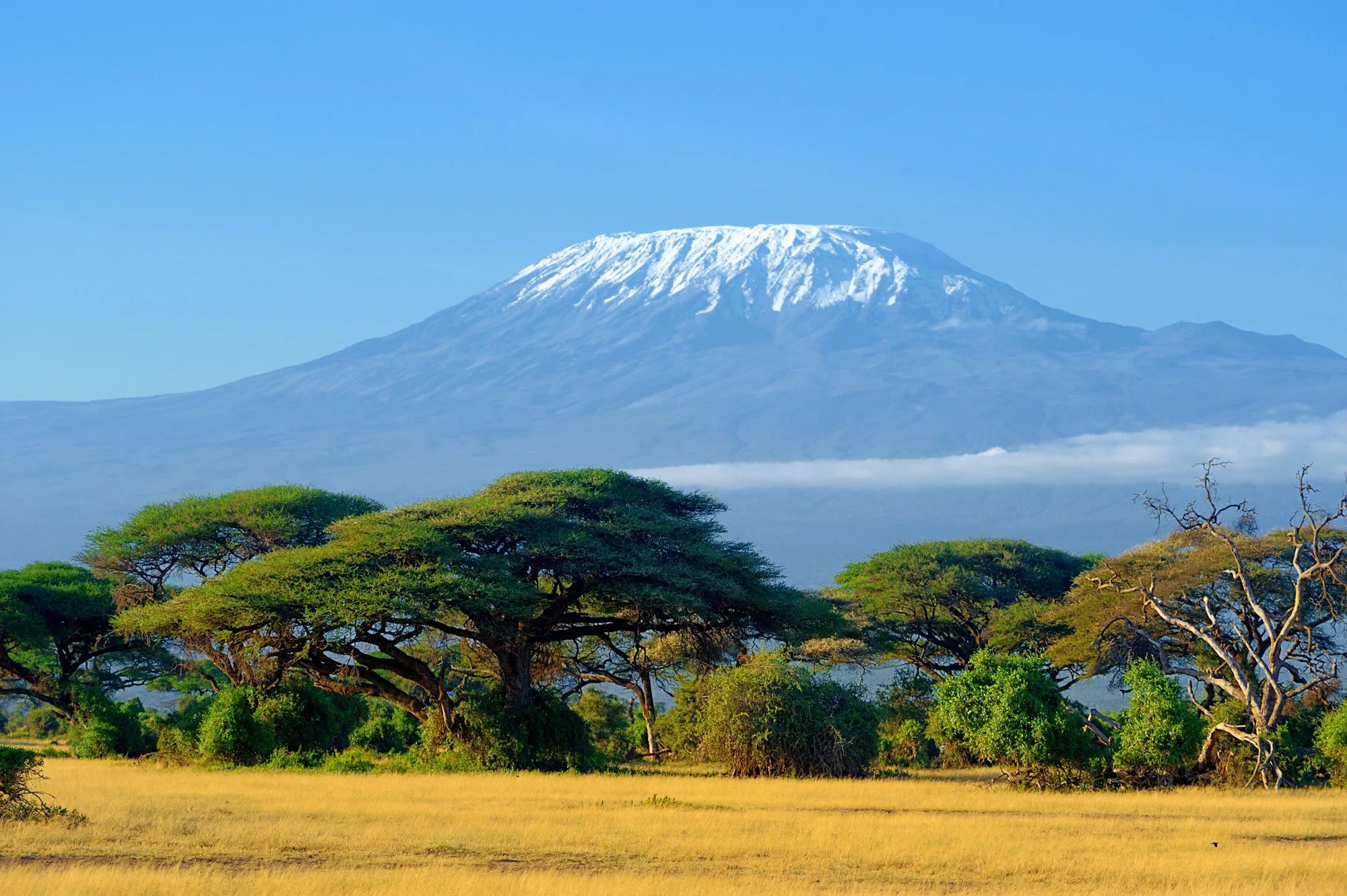
Tanzania does not do luxury the way other safari destinations do. There is no strip of five-star resorts lined up along a coast — instead, the country's finest properties are scattered across some of the most dramatic wilderness on the planet: perched on the rim of a collapsed volcano, hidden in acacia woodland where elephants pass the veranda at breakfast, or pitched on a private concession where your only neighbors are lions. Choosing where to stay is arguably the single decision that shapes a Tanzania safari more than any other, because the lodge is not a base you return to at night — it is where much of the experience actually happens.
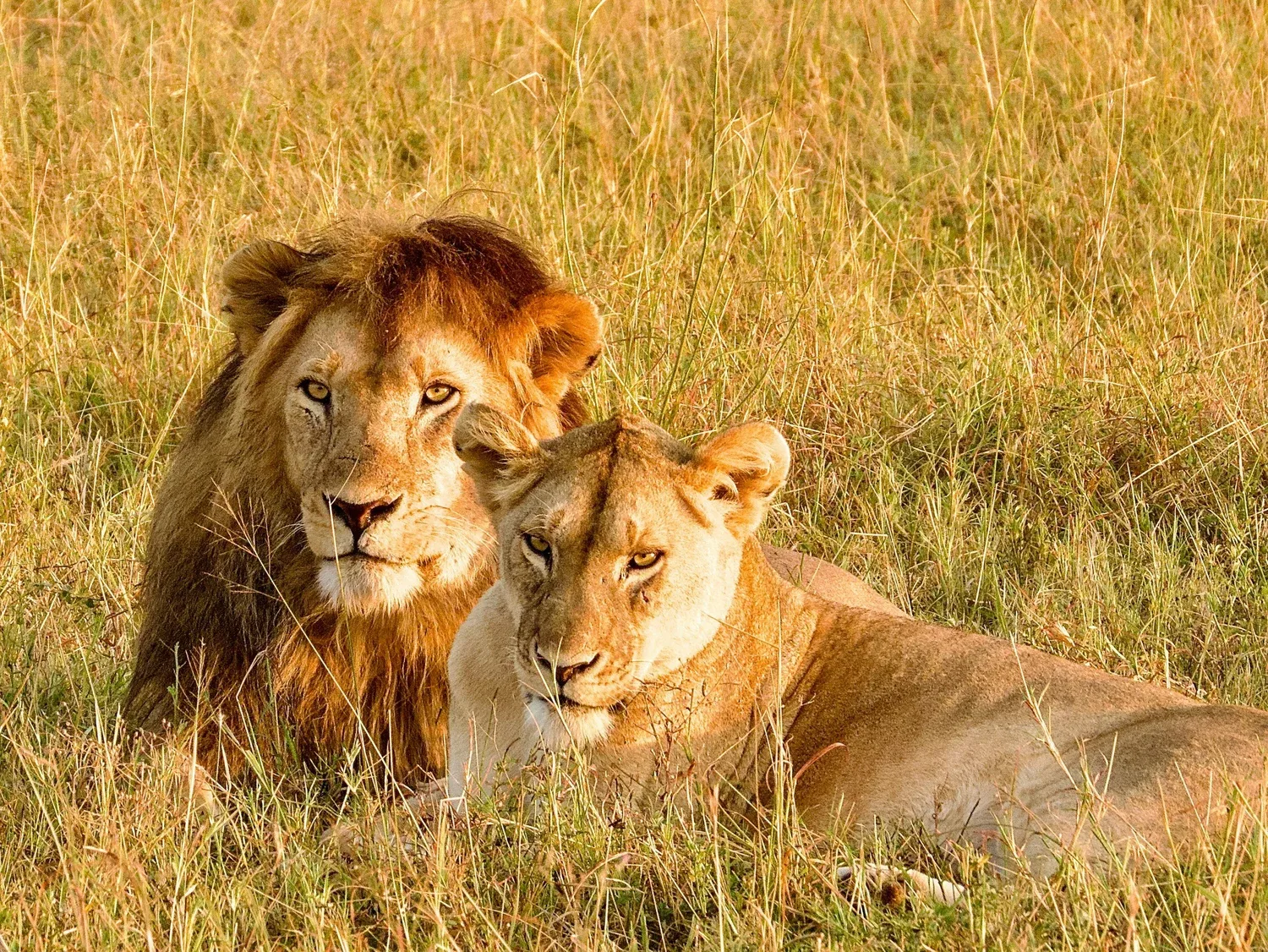
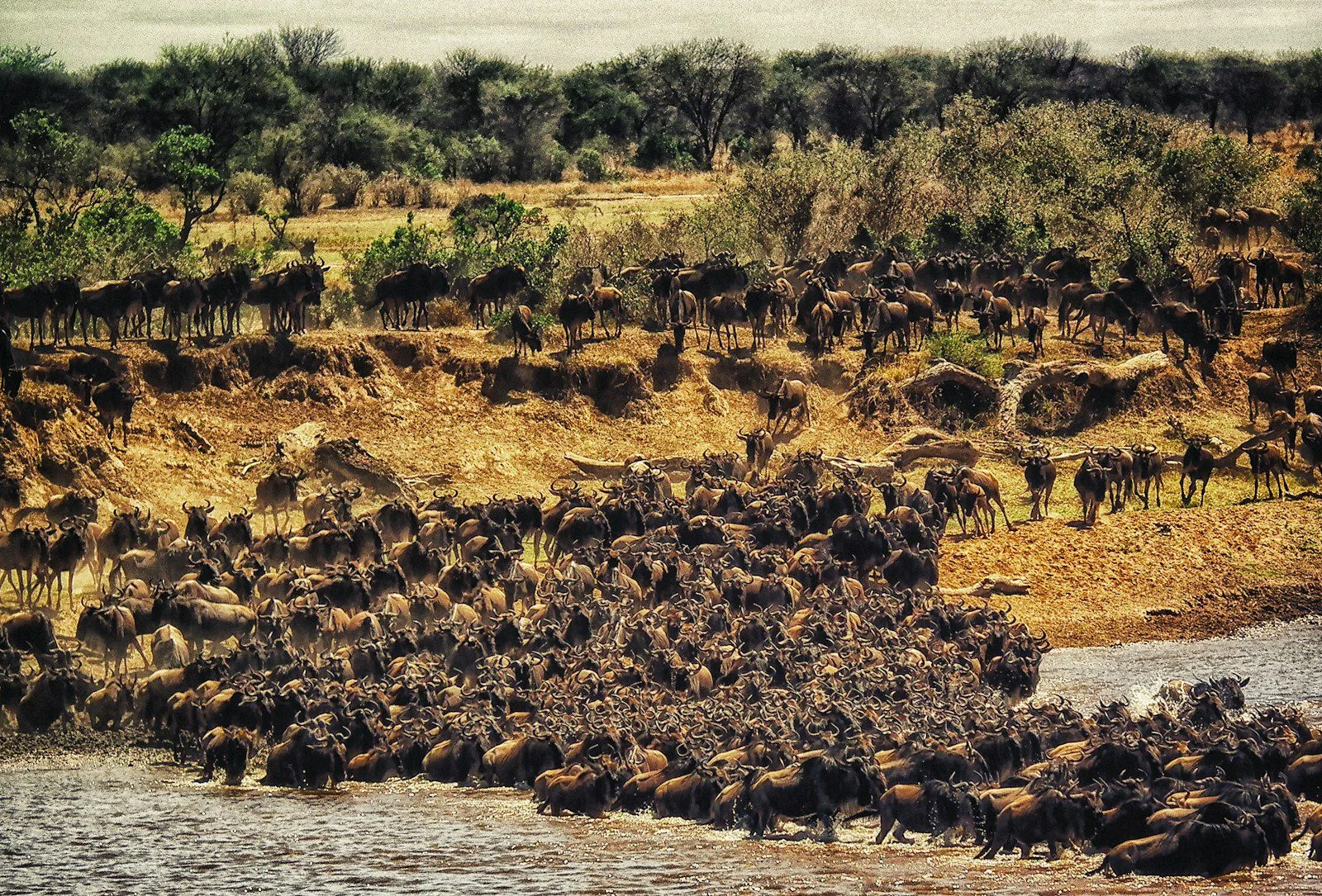
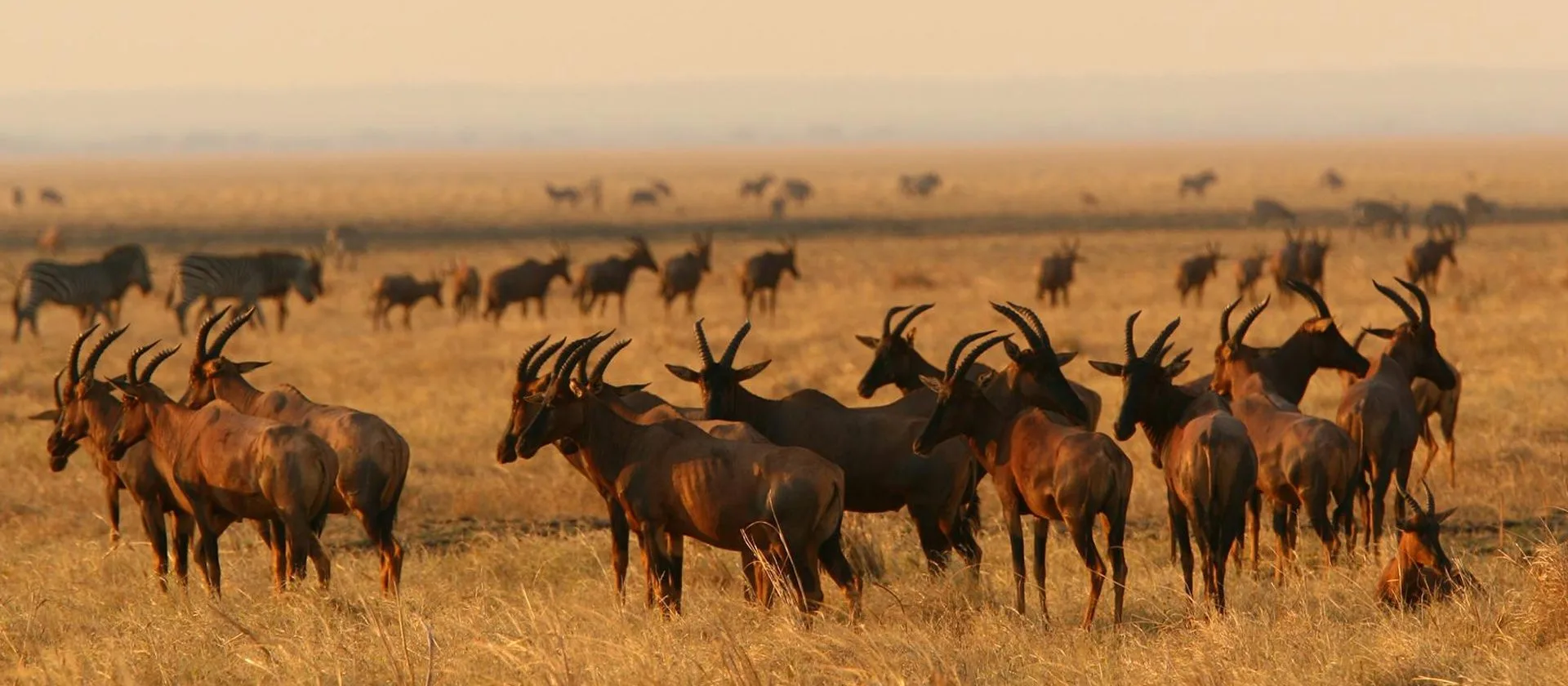
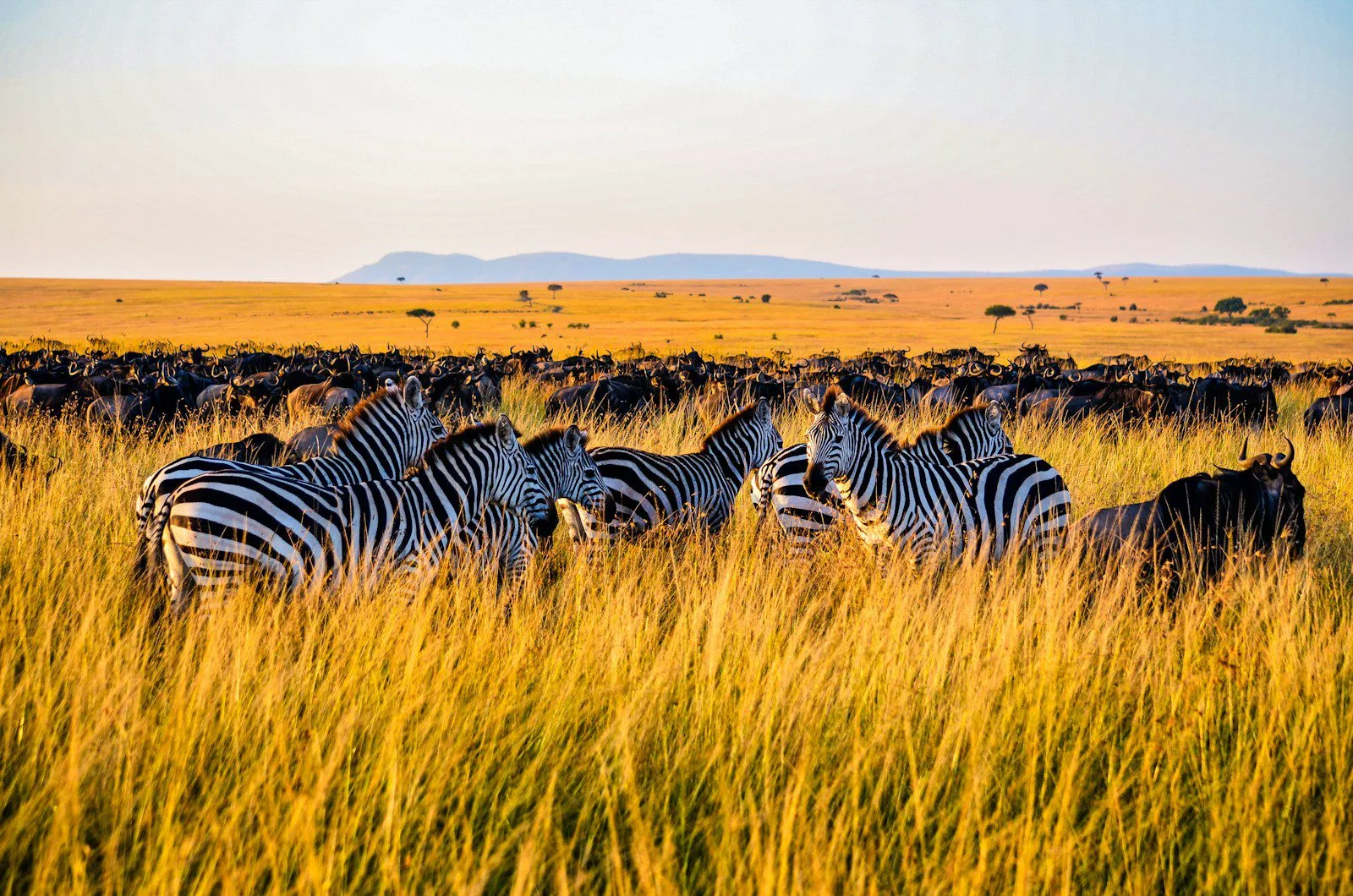
The Serengeti is the natural starting point for most luxury itineraries, and for good reason: it is the stage for the Great Migration, one of the last truly epic wildlife spectacles left on earth. But "the Serengeti" is really several distinct ecosystems stitched together, and the best lodges are built around that geography. Properties in the central Seronera region deliver reliable year-round game viewing thanks to resident lion prides and permanent water. Camps in the northern Serengeti, near the Mara River, exist almost entirely for the migration's river crossings between roughly July and October. Western and southern Serengeti lodges, meanwhile, come alive during calving season from December through March, when hundreds of thousands of wildebeest give birth on the short-grass plains within a few tense weeks — a spectacle that draws far fewer travelers than the river crossings but is arguably even more dramatic to witness. A well-planned luxury trip often moves between two or three of these zones rather than settling into one camp for the whole stay.
Ngorongoro Crater deserves its own mention, because nowhere else in Tanzania concentrates luxury and wildlife density quite so tightly. The crater floor holds one of Africa's highest concentrations of predators in a space you can meaningfully explore in a single day, and the lodges perched along the crater rim are engineered almost entirely around the view — walls of glass facing 2,000 feet down into the caldera, with the crater floor turning gold and then pink as the light changes. Rim lodges here tend to be architecturally ambitious in a way few other safari properties attempt, blending stone, thatch, and glass into structures that feel closer to a boutique hotel than a bush camp. The trade-off is that the crater itself is a single, fairly compact ecosystem, so most travelers pair a night or two here with time elsewhere rather than making it the whole trip.
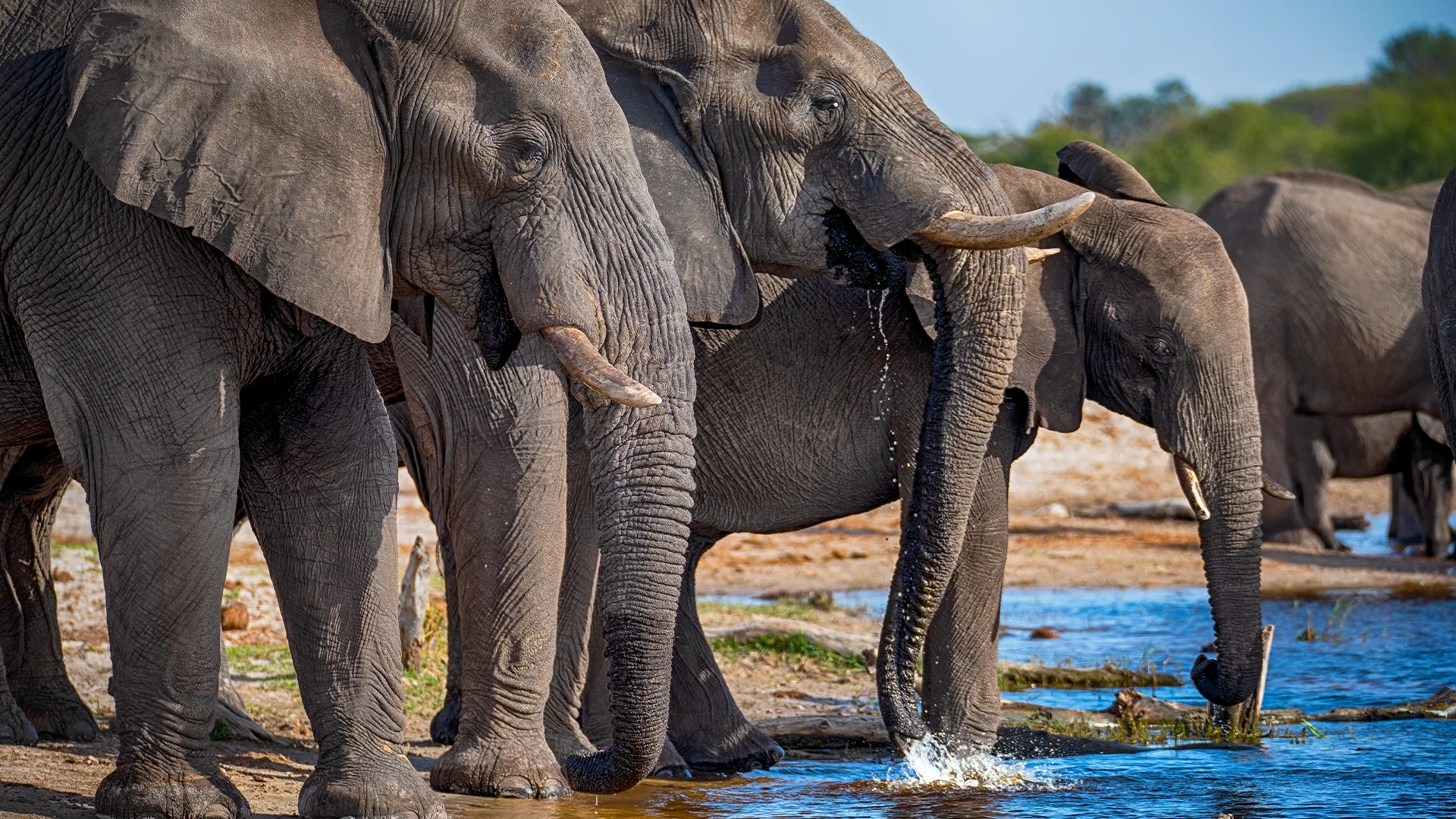
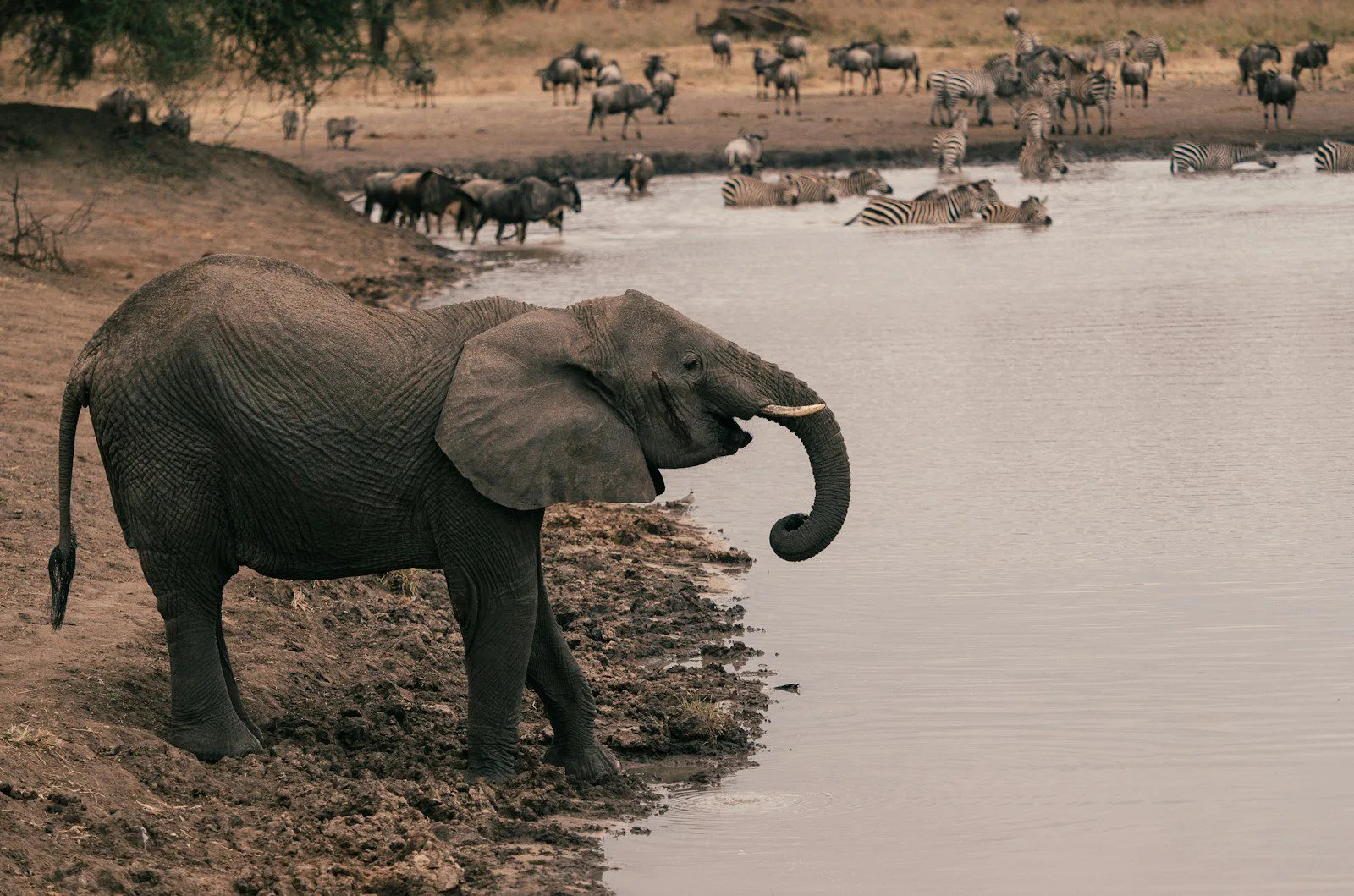
For travelers who want luxury without crowds, the northern circuit's quieter corners and the more remote southern and western parks are worth serious consideration. Tarangire, with its ancient baobabs and enormous elephant herds, has fewer but increasingly excellent lodges, many built around private concessions that allow walking safaris and night drives — activities restricted in the national parks proper. Further afield, the Selous (now largely Nyerere National Park) and Ruaha offer a genuinely different kind of exclusivity: vast wilderness, boat safaris along the Rufiji River, and lodges where you might not see another vehicle for days. These southern circuit camps tend to be smaller, more personal, and often better value per night than their northern counterparts, even at comparable luxury levels — the trade-off is a longer or costlier flight to reach them.
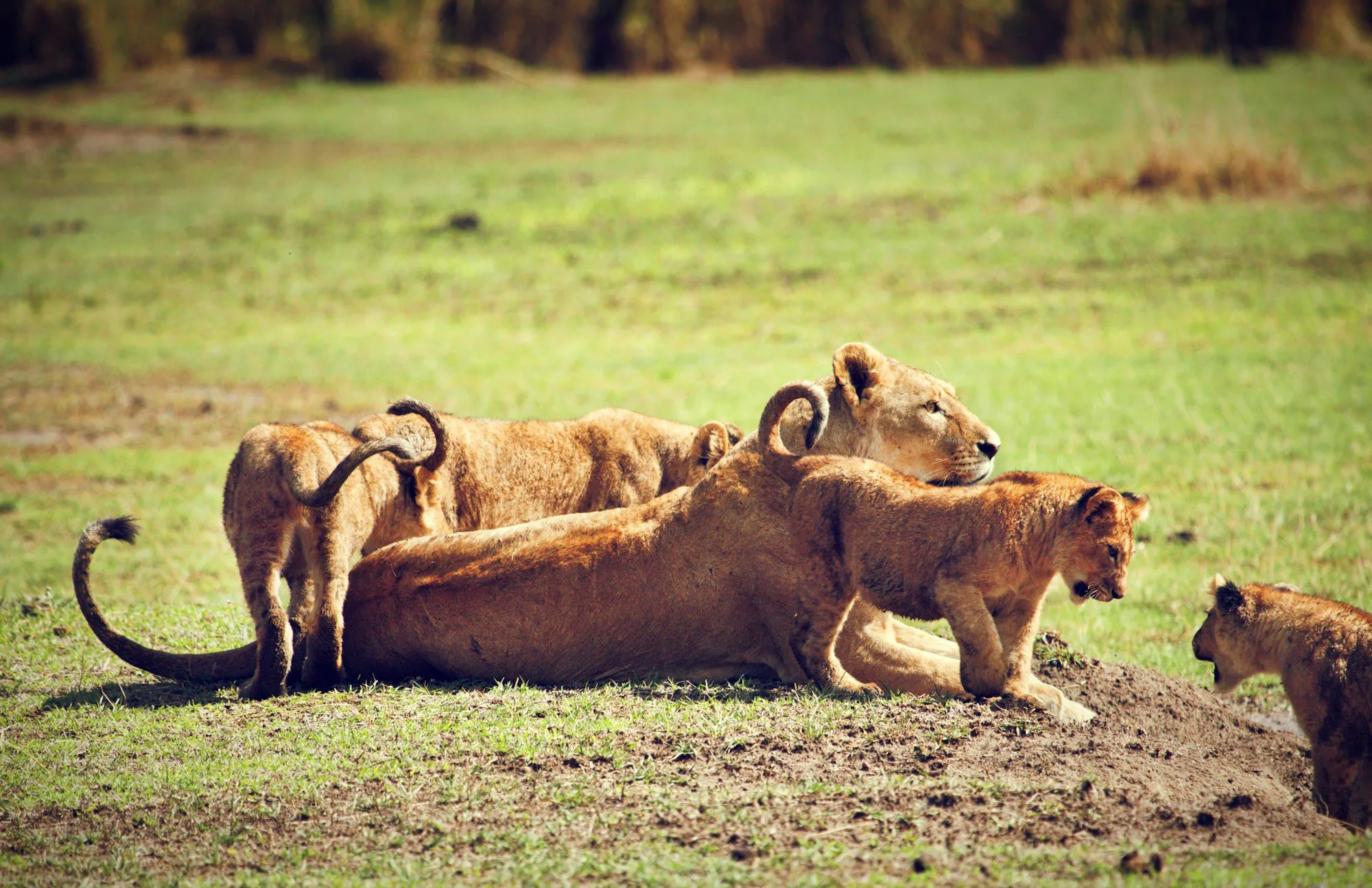
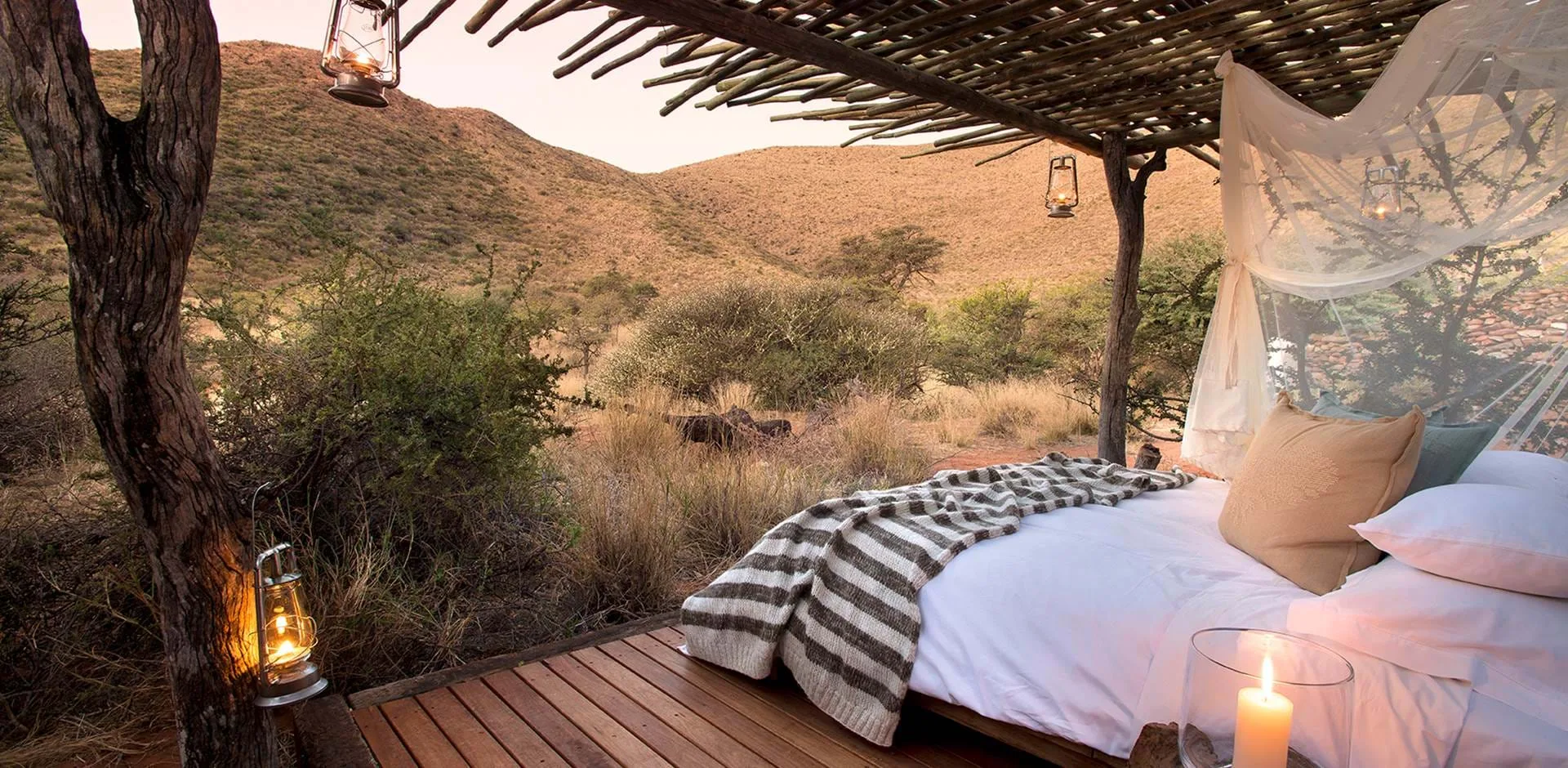
What actually defines a "luxury" safari lodge in Tanzania goes beyond thread counts and infinity pools, though most top properties have both. The meaningful differentiators are location, exclusivity, and guiding quality. A camp inside a private concession can offer off-road driving, night drives, walking safaris, and a hard cap on vehicle numbers at any sighting — none of which are permitted inside the national parks themselves, where every lodge shares the same game-viewing rules regardless of price. Guide quality varies enormously between properties and matters more to the actual safari experience than the lodge's furnishings; the best camps invest heavily in guide training and retention, and it shows in spotting skills, storytelling, and how they read animal behavior. Tented camps versus permanent lodges is largely a matter of taste rather than luxury tier — some of Tanzania's most expensive properties are canvas tents with plunge pools and butler service, while others are stone-and-thatch lodges with the same price tag.
Booking timing has a real effect on both availability and cost. The July–October dry season and the migration's river crossings are the most sought-after window, and the top handful of northern Serengeti camps can sell out six to twelve months in advance for that period. The calving season from December to March is nearly as spectacular for wildlife density and considerably easier to book, with the added benefit of newborn animals and dramatic predator action on the southern plains. The long rains from April through May bring the lowest rates of the year — some lodges close entirely, but those that stay open often discount by 30–40%, and the landscape is at its most lush and photogenic, even if game viewing requires a bit more patience.
A common mistake in planning a luxury Tanzania safari is over-optimizing for the single "best" lodge rather than the itinerary as a whole. Because the country's ecosystems are so different from one another, most experienced operators build multi-camp itineraries — typically three to five nights split across two or three properties — so that the trip captures the crater's density, the Serengeti's scale, and perhaps a private concession's exclusivity, rather than compromising on all three inside one location. Flying between camps on scheduled bush planes (standard on most upscale itineraries) keeps transit time low and adds its own aerial view of the landscape, which is worth building into the budget alongside the lodge rates themselves.
Ultimately, the "best" luxury lodge in Tanzania depends entirely on what kind of safari you're chasing. Travelers focused on the migration should prioritize northern Serengeti camps timed to river crossings; those who want maximum wildlife density in minimum time should anchor around Ngorongoro Crater; and travelers seeking true exclusivity and a slower pace are usually happiest in a private concession in Tarangire or further south in Ruaha or Nyerere. Working with a specialist who knows the current state of each property — service standards shift, camps change ownership, and new lodges open most years — matters more than any single "top 10" list, luxury travel in Tanzania rewards a trip built around your priorities rather than someone else's ranking.