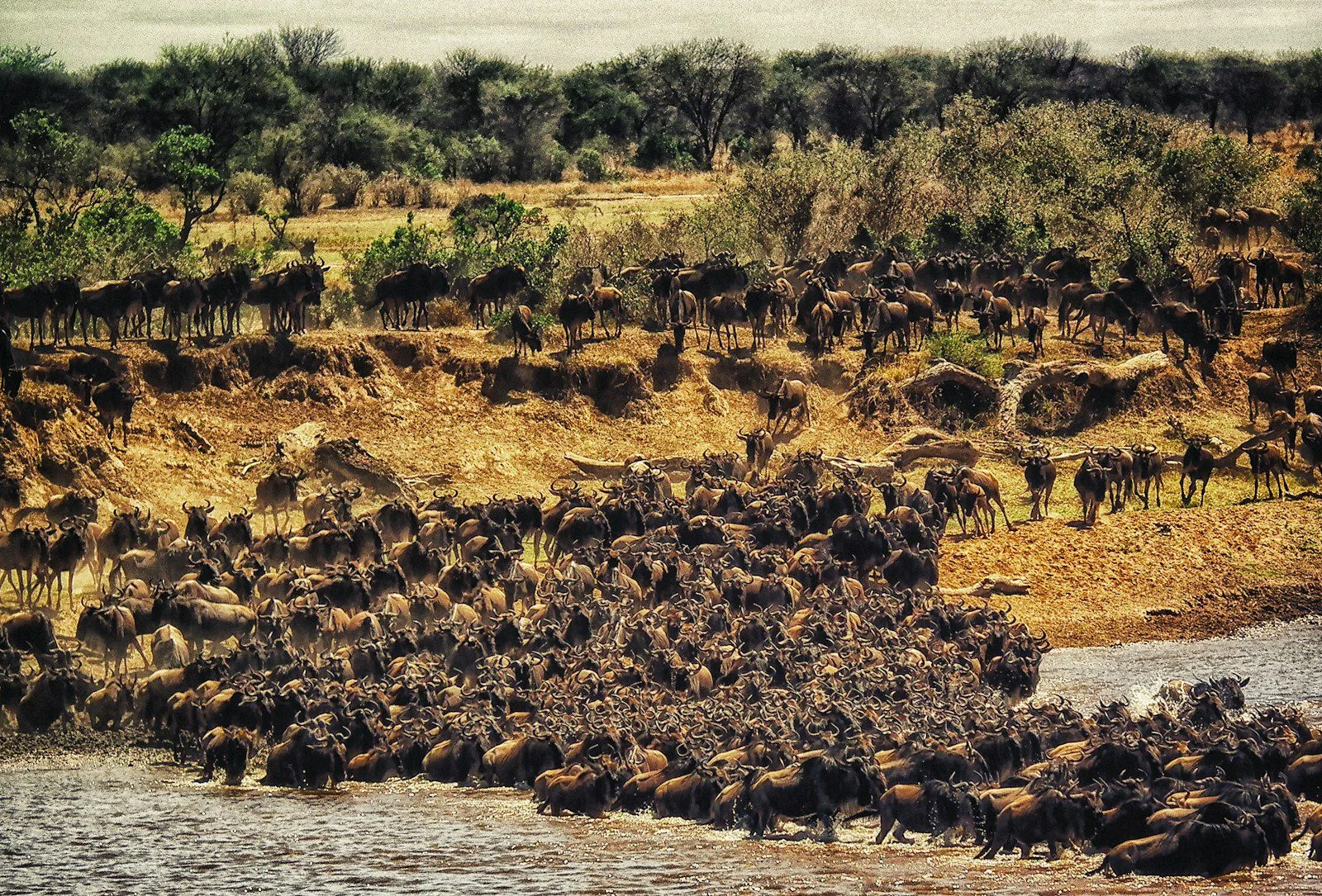

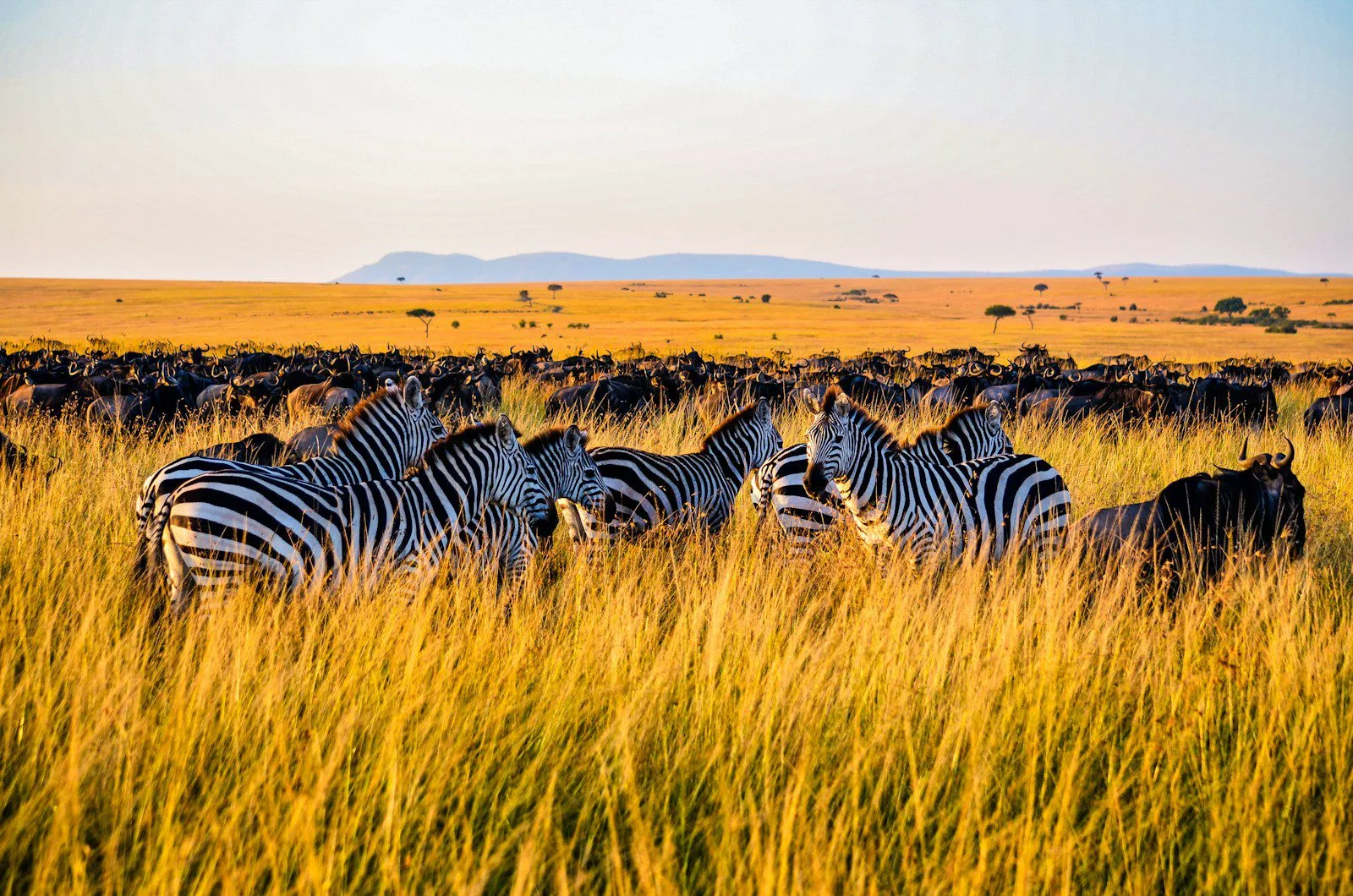
There is a moment on almost every first Tanzania safari when the itinerary stops being a spreadsheet and becomes a place: a dust trail on the horizon turns out to be ten thousand wildebeest, or a crater wall opens onto a floor crowded with more animals than seems physically possible. Getting to that moment well takes a bit of planning, because Tanzania does not offer one safari experience, it offers several, and the parks you choose, the season you travel in, and the way you structure your days will shape the trip far more than any packing list will.
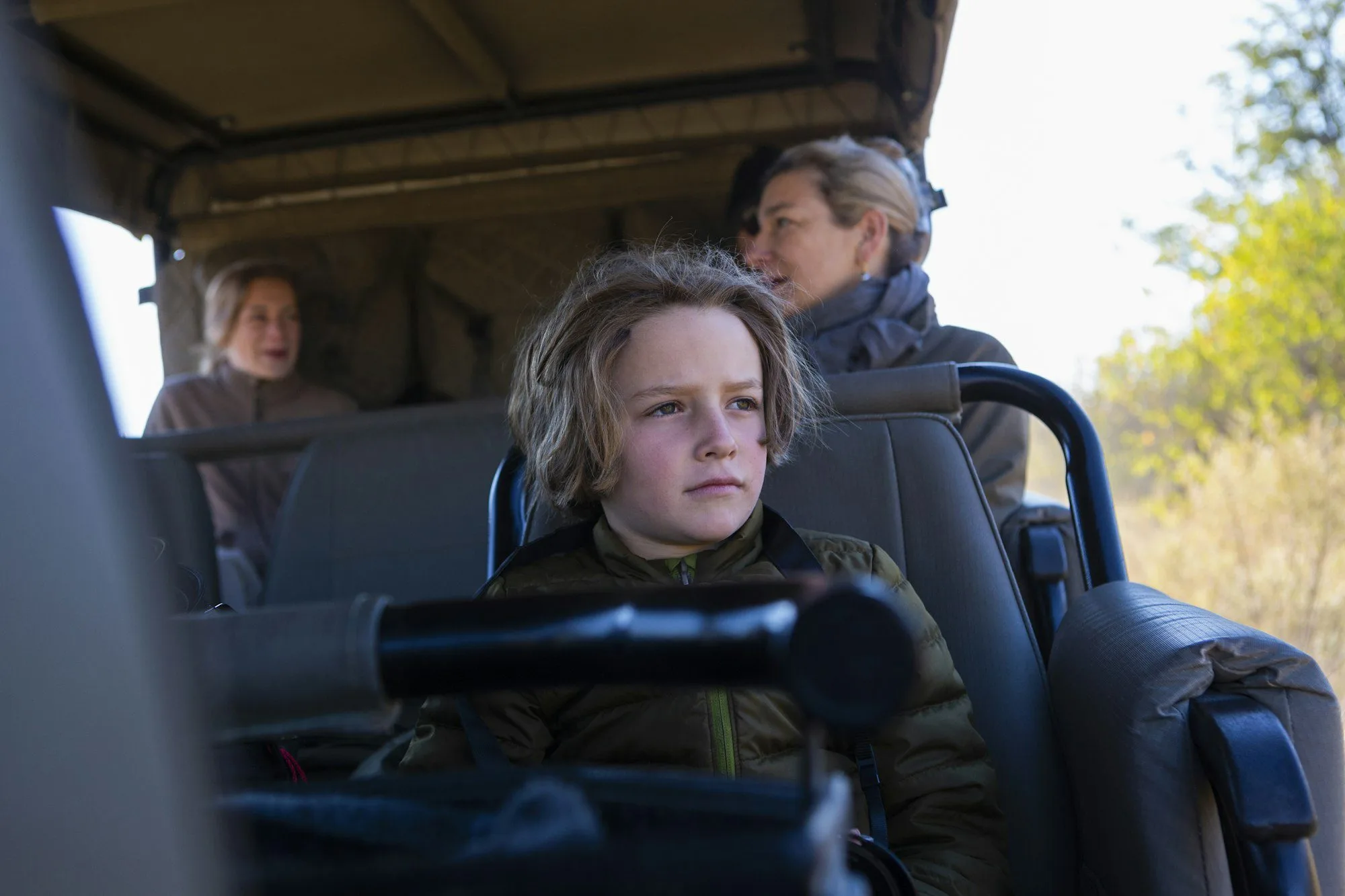
The first real decision is whether to join a group safari or book a private one. Group departures, typically shared between four and six travelers in a single vehicle, are the backbone of budget and mid-range safaris out of Arusha, and they exist for good reason: splitting the cost of a guide, vehicle, and park fees across several people brings the price down substantially without diminishing the wildlife on offer. They also solve a problem solo travelers worry about more than anyone else, which is loneliness on the road. Shared game drives naturally produce shared excitement, and communal dining at most lodges and tented camps means evenings rarely feel isolating unless you want them to. Private safaris, by contrast, buy you total control over pace, route, and photography angles, which matters if you are chasing a specific sighting or traveling with family and want flexibility built into every day. Neither option is objectively better; it is a question of budget and how much you value spontaneity versus company.
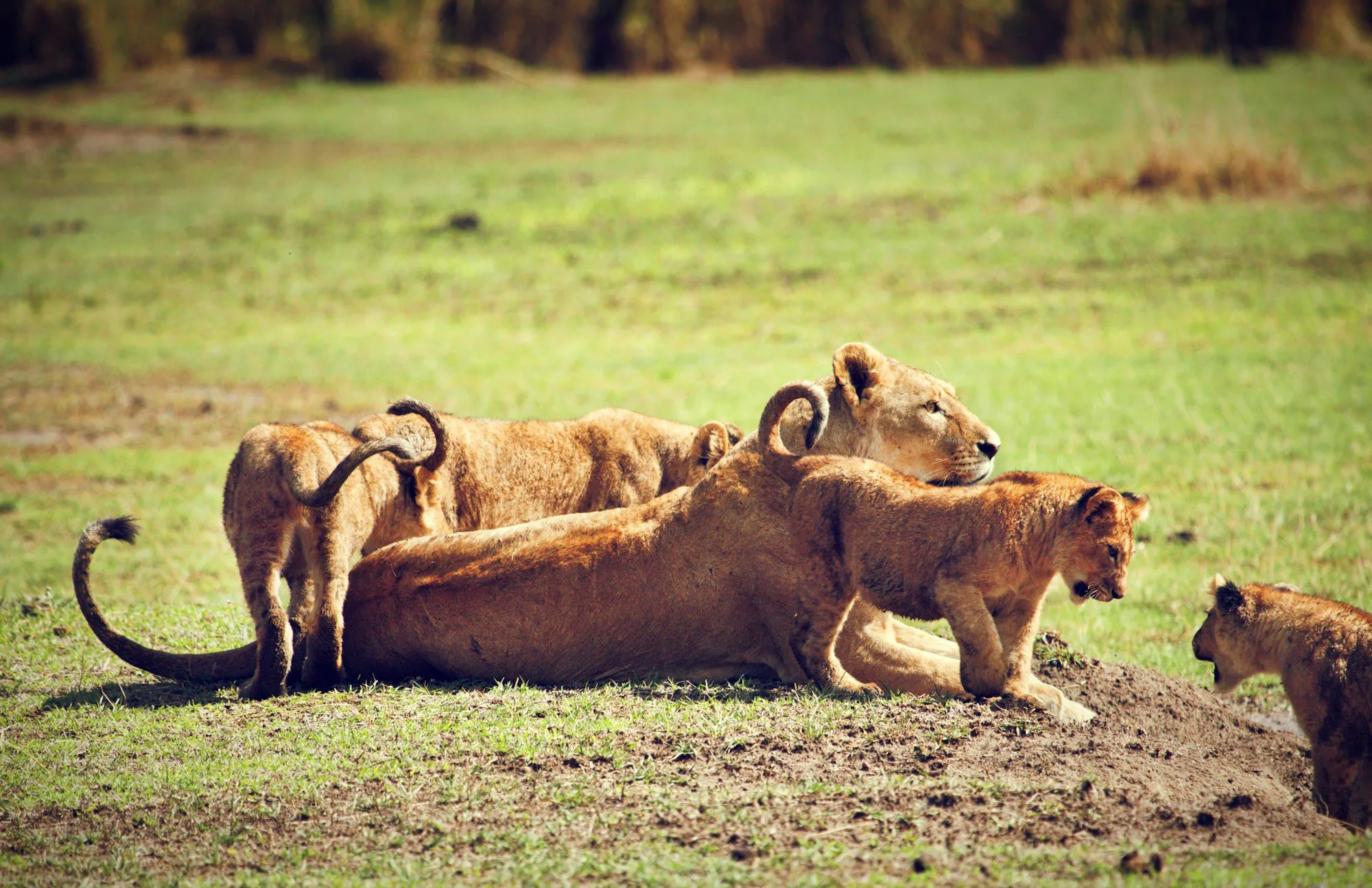
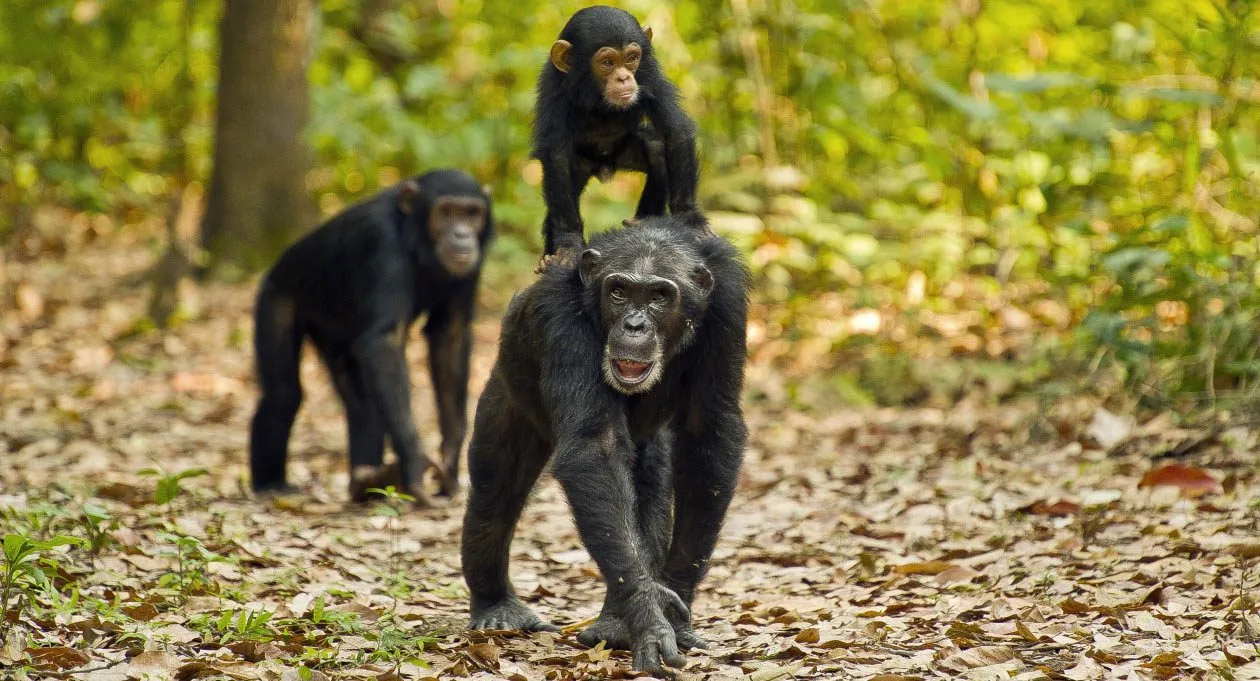
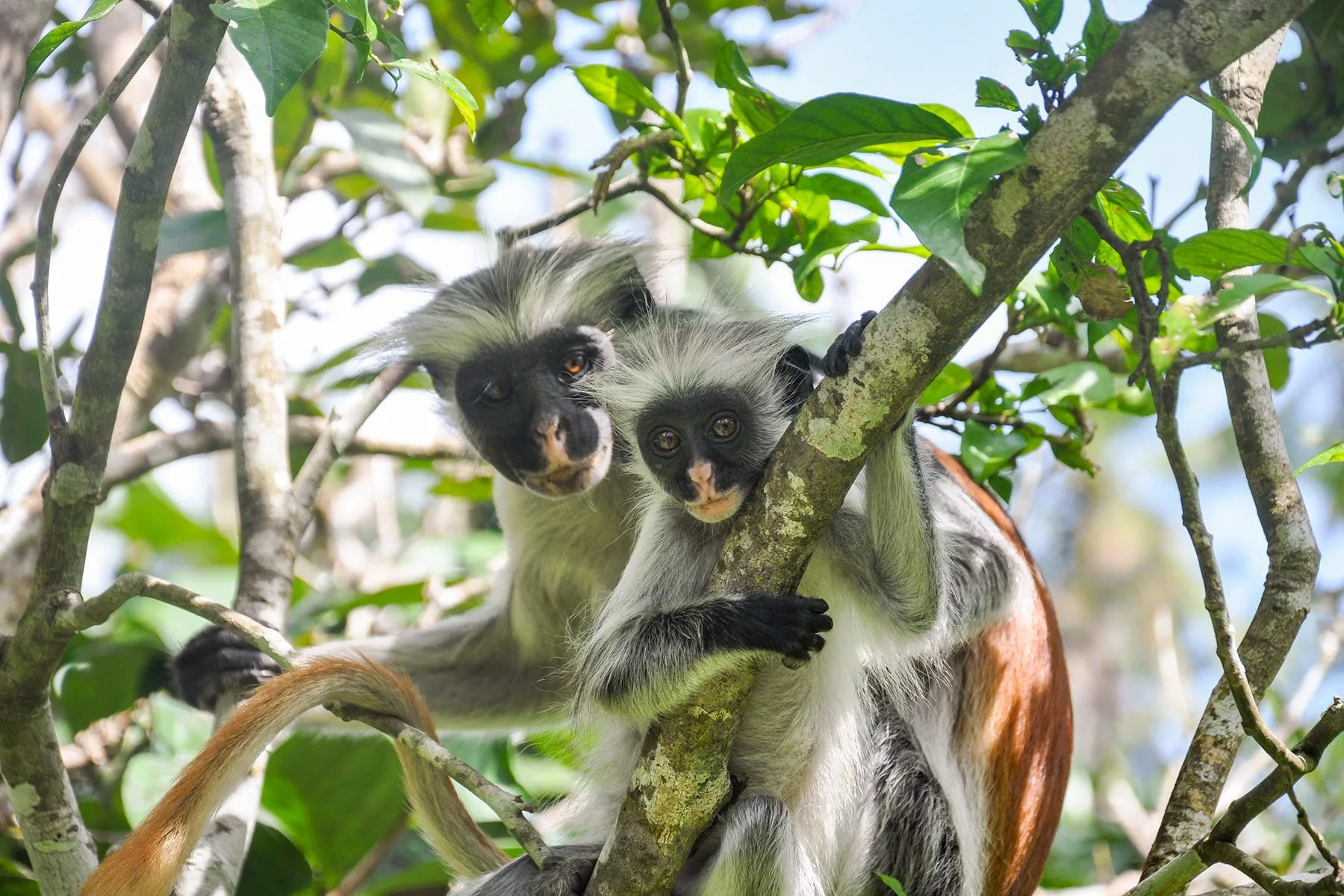
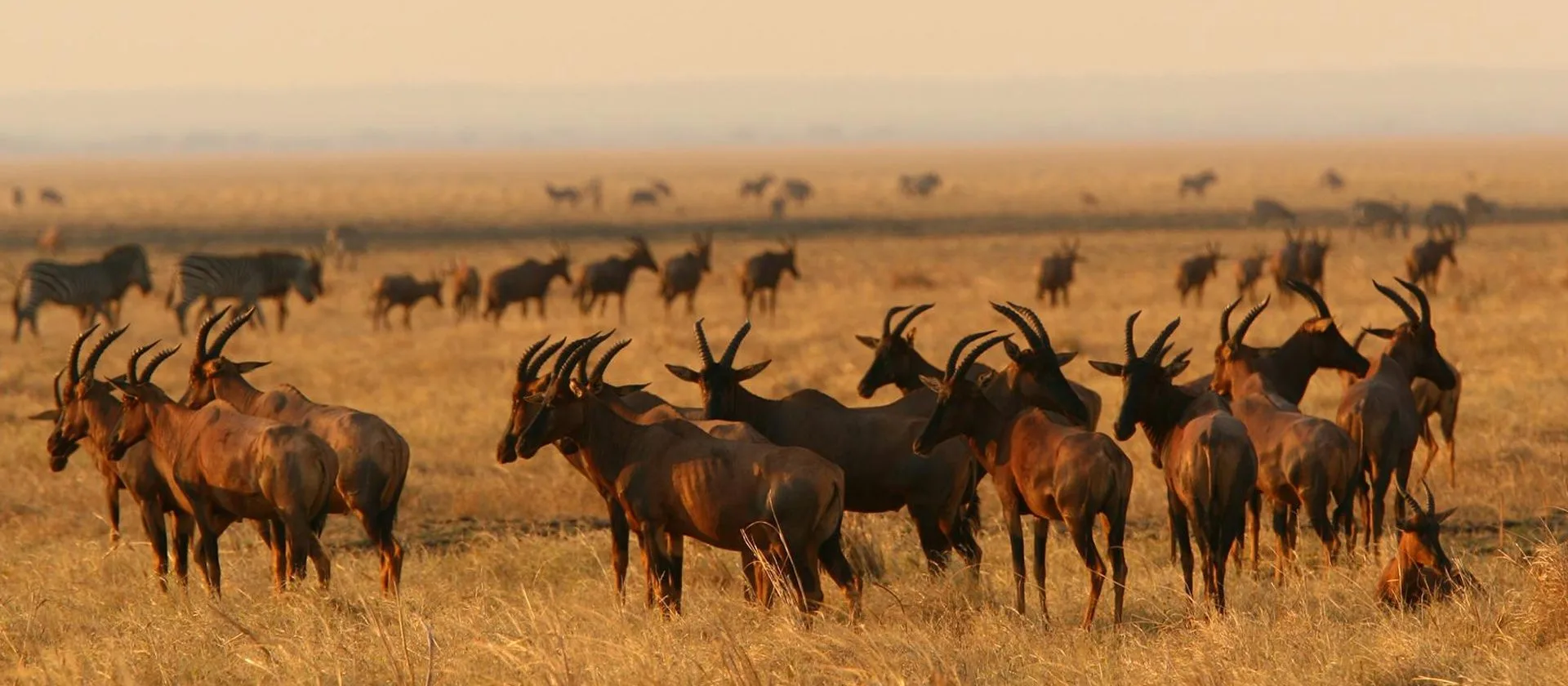
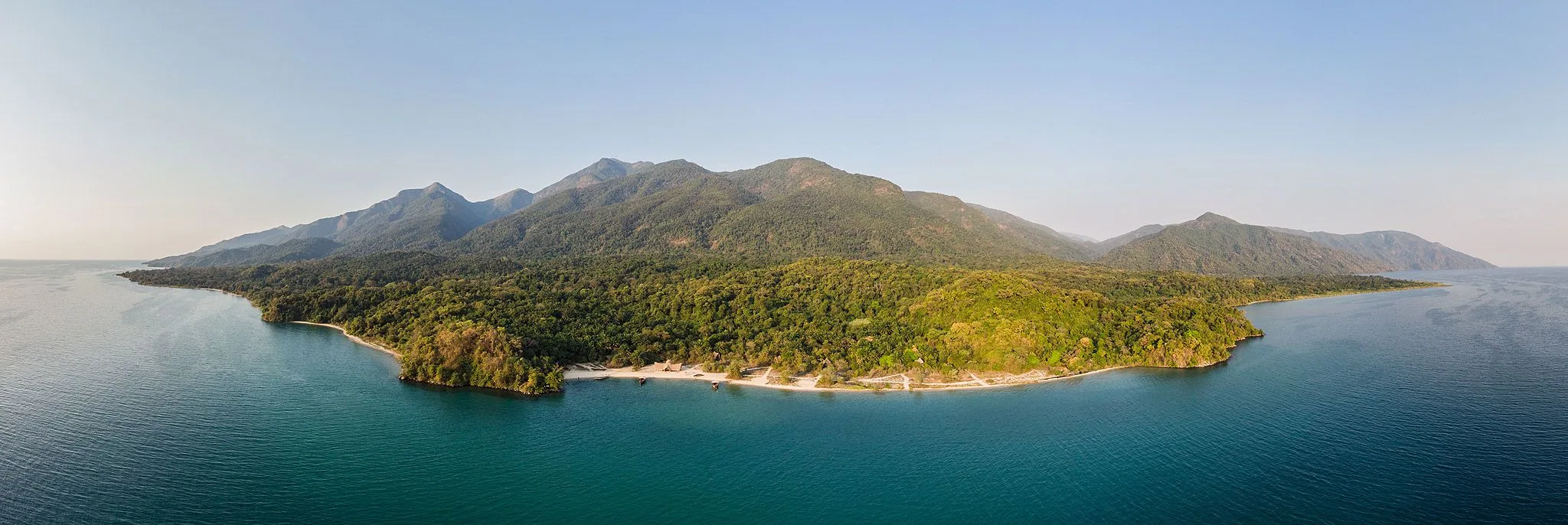
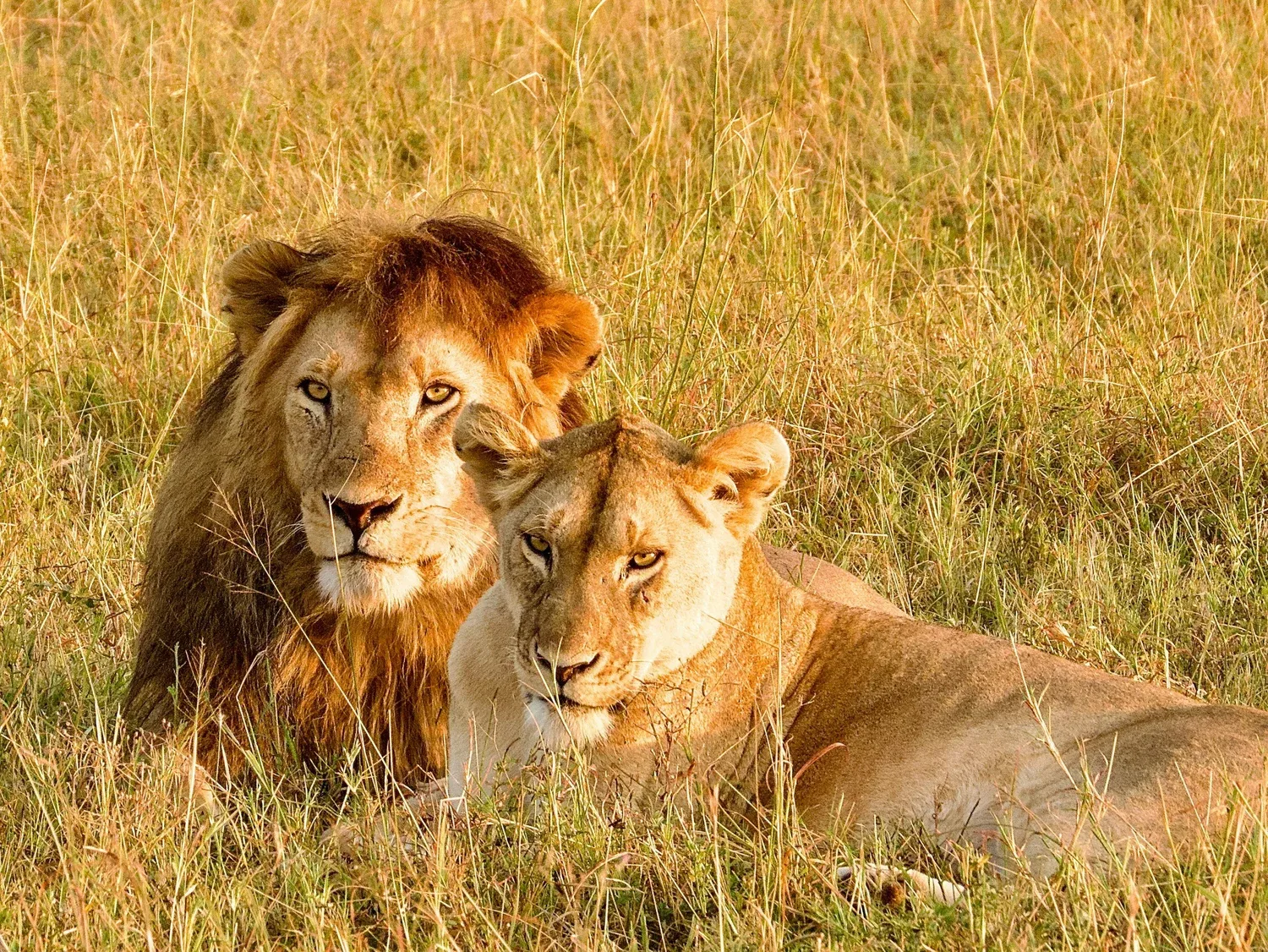
Where you go matters just as much as how you go. The Serengeti is the park most people picture when they imagine Tanzania: enormous, open, and stocked with a density of lions, leopards, elephants, and cheetahs that keeps every game drive eventful rather than a search for a single distant shape. The Ngorongoro Crater works differently and is worth pairing with it precisely because it works differently. Its walls trap a self-contained ecosystem on a crater floor small enough that you are rarely more than a few minutes from wildlife, which makes it the single most efficient place in Tanzania to see rhino, lion, and flamingo-lined lakes in one compact day. Arusha itself, often dismissed as a mere gateway town, is worth a night or two of its own: it is where safaris are organized, where Kilimanjaro treks begin, and where you will meet fellow travelers if you are on any kind of group circuit. Further afield, Tarangire and Lake Manyara round out a classic northern circuit with baobab-studded landscapes and tree-climbing lions respectively, while the western parks, Katavi and Mahale, offer a genuinely wild, off-grid alternative for travelers who have done a safari before and want solitude over convenience.
Timing a Tanzania safari is less about finding a single perfect month and more about deciding what you want to see. The long dry season, from roughly late June through October, concentrates animals around rivers and waterholes and coincides with the Great Migration's dramatic river crossings in the northern Serengeti and Maasai Mara border region, which is why it is the busiest and priciest stretch of the year. A shorter dry window in January and February is a genuine sleeper option: the southern Serengeti plains turn green, prices ease, and the wildebeest calving season brings predator action that is arguably more intense than the river crossings, simply because newborn calves draw lion and hyena activity in enormous numbers. The long rains, from March through May, are the quietest and cheapest months, and while some roads become difficult, birdlife explodes and the landscape is at its most photogenic for anyone unbothered by the odd afternoon downpour.
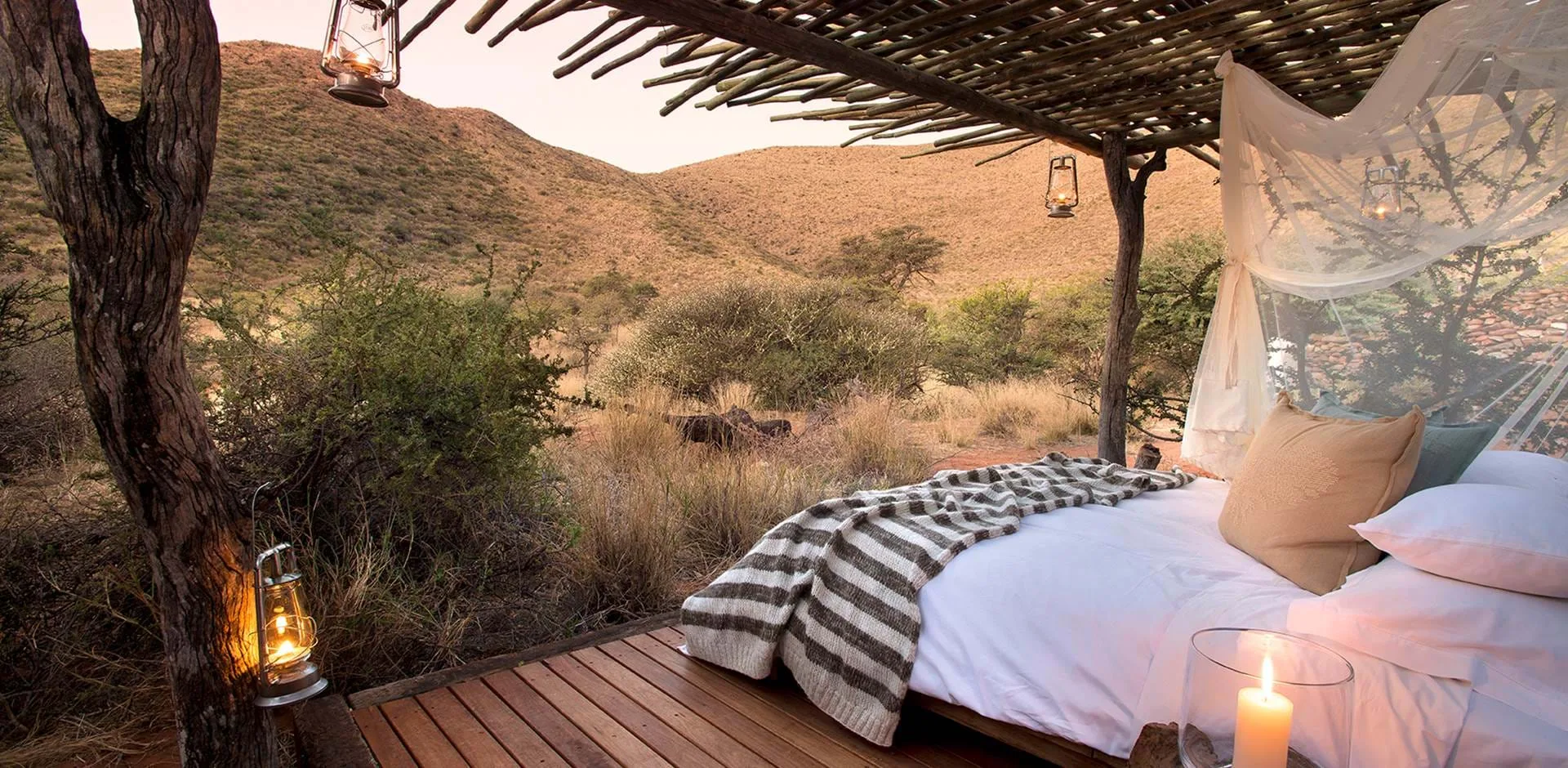
Budgeting for a safari is where a lot of first-time planning goes sideways, mostly because the headline per-night rate rarely reflects what a day actually costs. Tanzania's national parks charge daily conservation fees on top of accommodation, and those fees, along with vehicle and guide costs, are usually baked into group and package pricing rather than itemized separately. As a rough framework, budget group safaris staying in basic camps run at the lower end, mid-range trips with comfortable tented camps and a private vehicle sit in the middle, and luxury circuits built around premium lodges, light aircraft transfers between parks, and dedicated guides sit well above both. The single biggest lever on price is not the lodge tier but whether you fly between parks or drive; flying safaris save enormous amounts of travel time but cost meaningfully more, while road safaris are slower but let you see the country changing between stops, which some travelers consider part of the experience rather than a cost to avoid.
Safety concerns come up often, particularly from solo travelers and families weighing a first trip to East Africa, and the honest answer is that organized safari travel in Tanzania is structured, closely regulated, and considerably more predictable than independent city travel elsewhere. You are almost always with a licensed guide who knows the terrain, the animals, and emergency protocols, vehicles maintain radio contact with camps and other vehicles, and lodges operate with security appropriate to their remote settings. The real safety work happens before you leave: a pre-trip visit to check on recommended vaccinations and antimalarial medication, comprehensive travel insurance that explicitly covers medical evacuation, since some parks are hours from the nearest hospital, and a packing list built around neutral-colored clothing, a wide-brimmed hat, strong sun protection, and layers for the cold that arrives surprisingly fast once the sun drops over the plains.
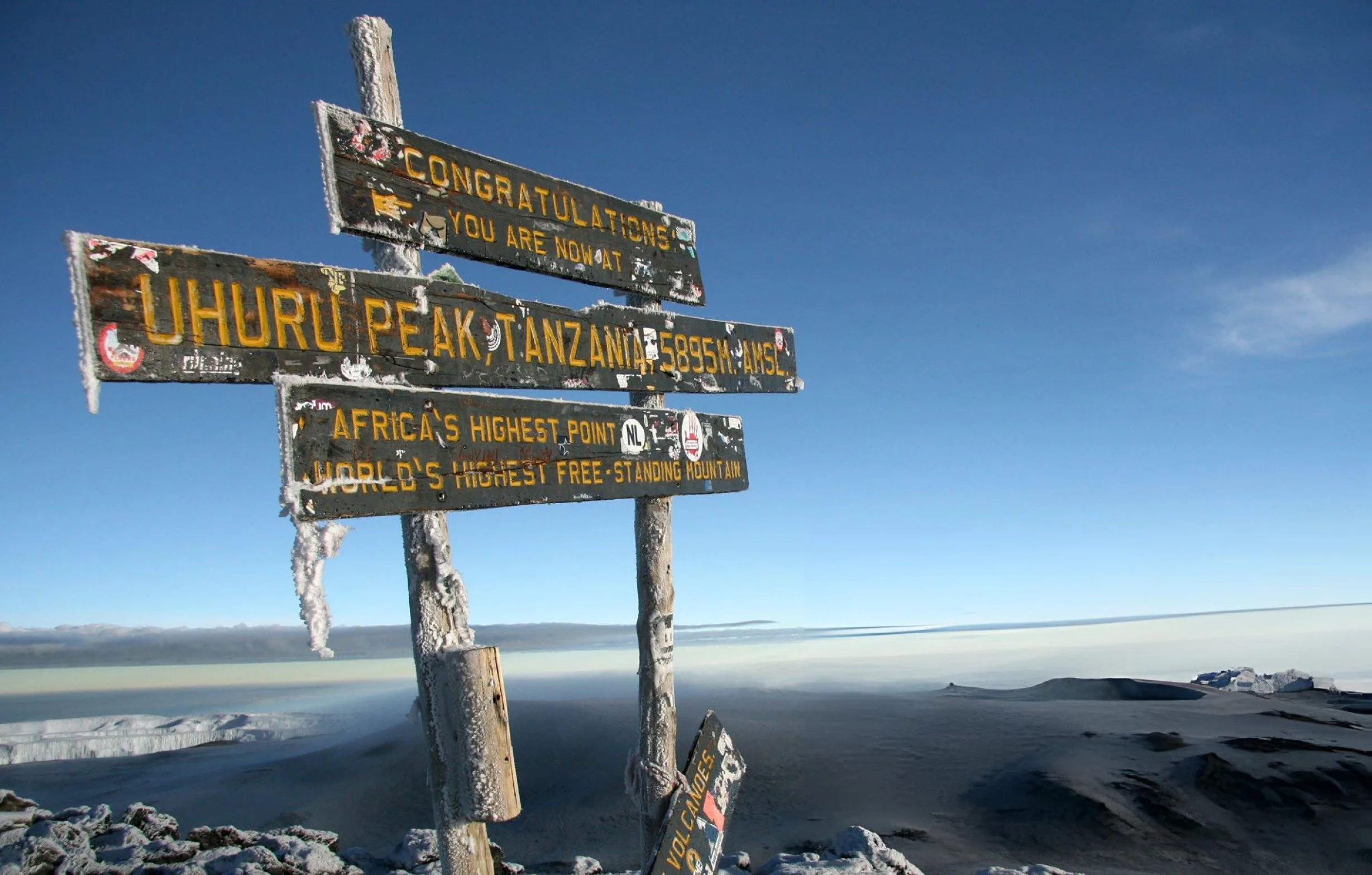
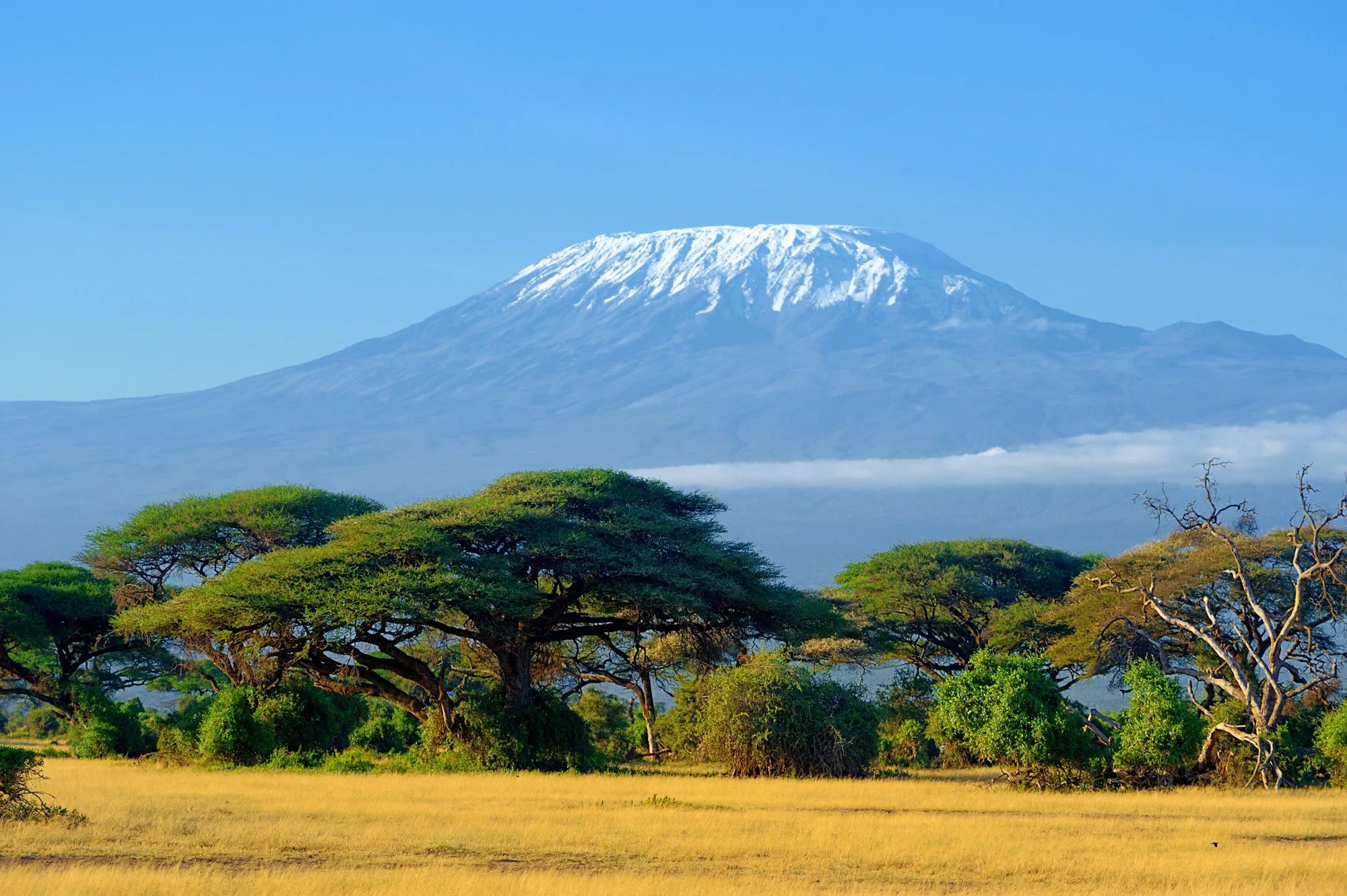
If your trip includes Kilimanjaro, treat it as a separate undertaking that happens to share a starting point with your safari rather than an add-on to it. The mountain has several established routes, Machame and Marangu among the most popular, and each trades summit success rate against comfort, crowding, and duration; a longer route with better acclimatization days consistently outperforms a shorter, cheaper one when it comes to actually reaching Uhuru Peak. Most travelers who combine trekking and safari climb first and safari afterward, using the lower-altitude game drives as a well-earned recovery period for legs that have just spent a week on volcanic scree.
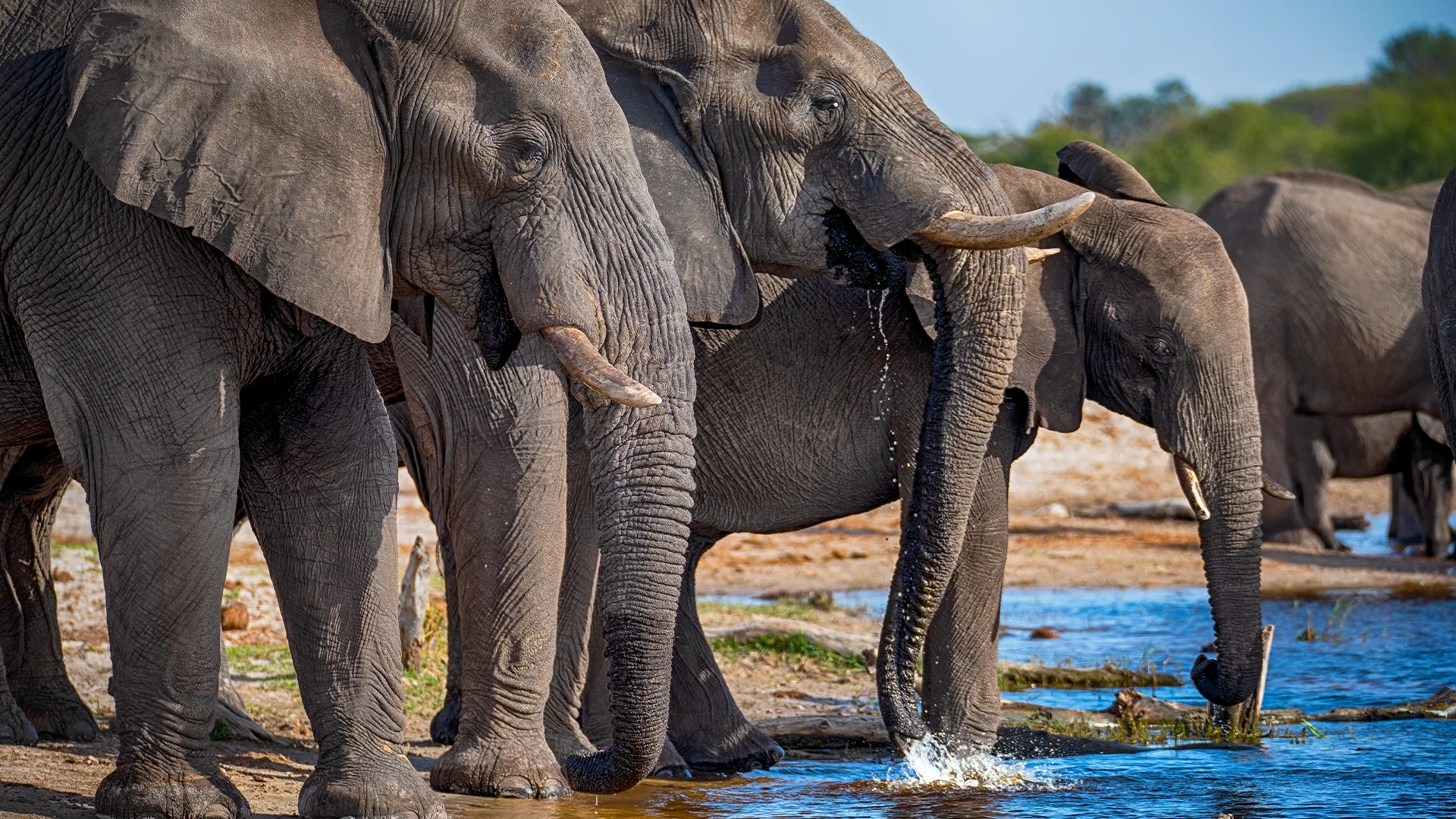
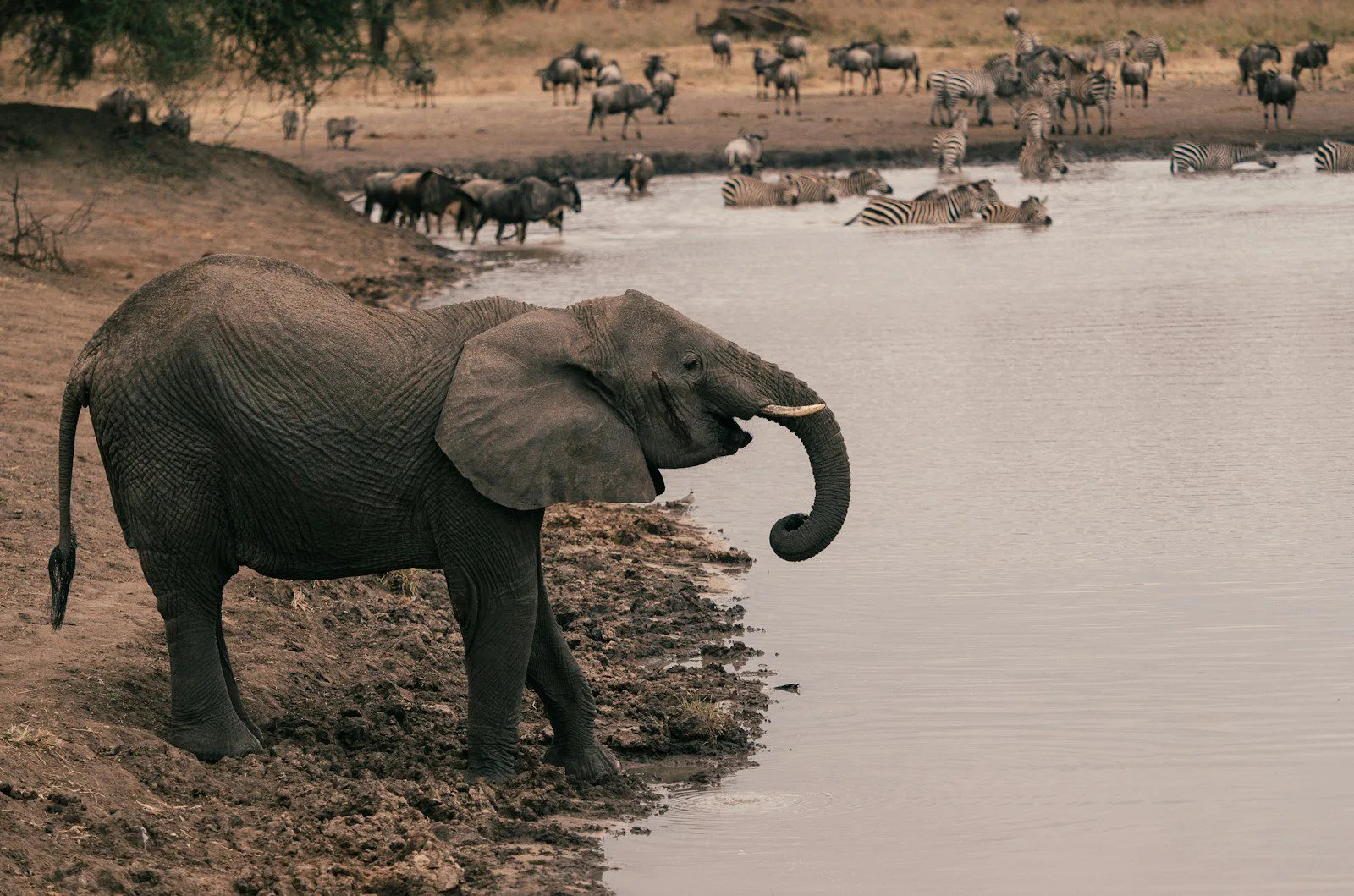
None of this needs to be intimidating. Tanzania has one of the most mature safari tourism industries on the continent, and the practical machinery, transfers, permits, park bookings, is something a good operator handles as a matter of course. What actually deserves your attention as a traveler is the shape of the trip itself: which parks reward the time you have, which season matches what you want to see, and whether you are chasing the drama of a river crossing, the density of the Ngorongoro floor, or simply the quiet of watching a herd of elephants cross open ground with nothing else on the horizon. Get that framing right, and the logistics tend to fall into place around it.