

Ask most first-time visitors what they want from a Tanzania safari and the answer is almost always the Big Five. It is a fair starting point, but it also means that lion, leopard, elephant, buffalo, and rhino dominate the itinerary while the country's far stranger, rarer, and in some cases more dramatic wildlife goes unmentioned. Tanzania holds far more than a checklist of five species. It has painted wolves that hunt with surgical coordination, nocturnal aardvarks that vanish at dawn, over a thousand species of bird, and coral reefs where whale sharks glide past snorkelers. Planning even part of your trip around these encounters changes the character of a safari from a highlight reel into something closer to genuine discovery.
The African wild dog, sometimes called the painted wolf for its mottled black, tan, and white coat, is one of the continent's most endangered carnivores and one of its most impressive hunters, with success rates that outpace lions by a wide margin. Nyerere National Park (formerly the Selous Game Reserve) and Ruaha National Park in southern Tanzania hold two of the largest surviving populations anywhere in Africa. Watching a pack move through the bush together, communicating through chirps and body language before a coordinated chase, is a wholly different experience from watching a solitary big cat stalk prey, and it rewards travelers willing to base part of their trip in the south rather than sticking to the northern circuit alone.
Night is when a different Tanzania comes alive. Genets, servals, bushbabies, and the shy, termite-eating aardvark rarely appear on standard daytime drives, but a handful of camps in Ruaha and around Tarangire and Lake Manyara run guided night drives with spotlights, and the animals they turn up are worth the late bedtime. Spotting an aardvark shuffling across the road, snout down and ears swiveling, is the kind of sighting that experienced safari-goers talk about for years precisely because it is uncommon. If your itinerary allows even one night drive, it is worth building in, ideally in a park that permits them, since not all of Tanzania's protected areas do.
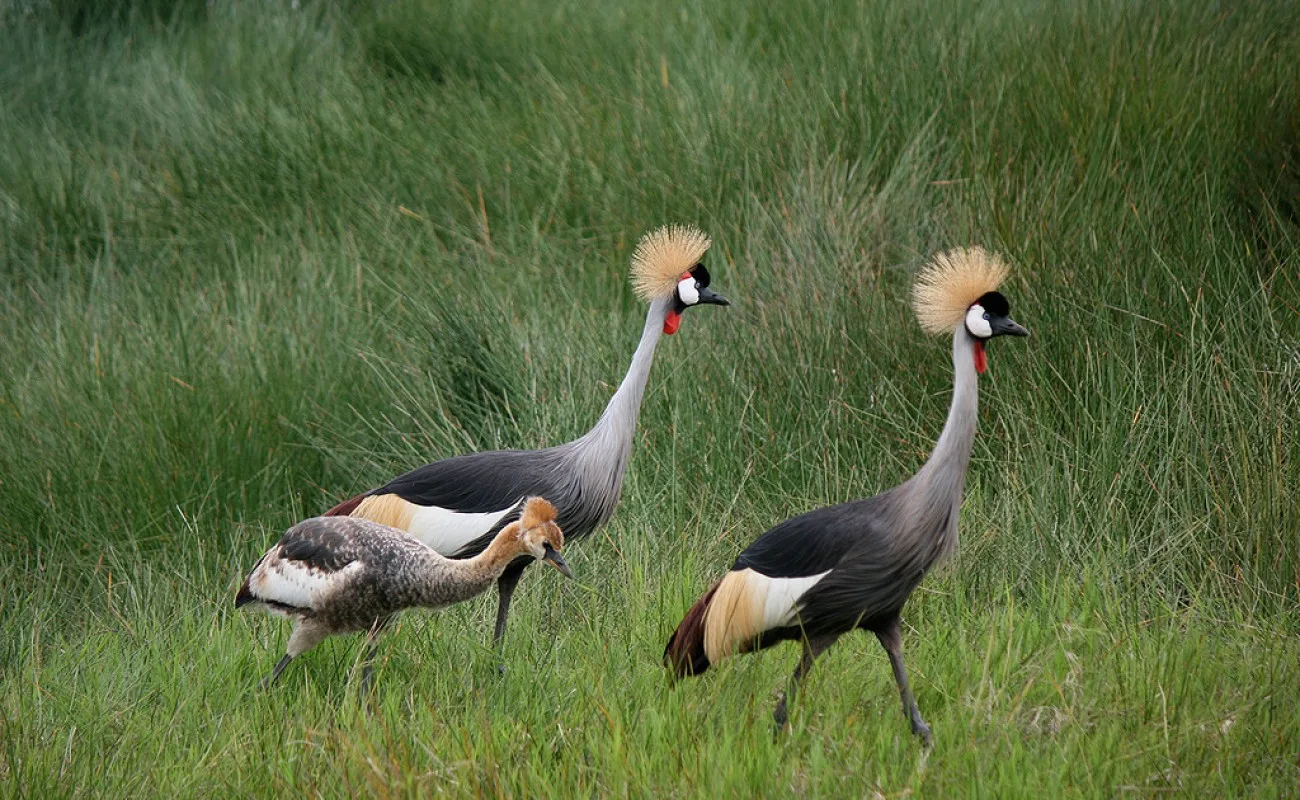
Birdlife is arguably the most underrated reason to visit Tanzania at all. With more than 1,100 recorded species, including birds found nowhere else on earth, the country rewards even casual attention to what is happening above the grass. The Usambara Mountains in the northeast hold endemic forest species that serious birders travel specifically to see, while Lake Manyara and the alkaline lakes of the Rift Valley occasionally turn pink with thousands of flamingos feeding in the shallows. You do not need to be a dedicated birder to appreciate a lilac-breasted roller flashing turquoise and violet as it takes flight, and pairing a few hours of birdwatching with a standard game drive costs little in time for a large payoff in variety.
Beyond the plains, Tanzania's coastline and islands add an entirely different dimension. Zanzibar, Mafia Island, and Pemba sit along reefs where whale sharks, manta rays, dolphins, and sea turtles are regular sightings, and swimming alongside a whale shark off Mafia between roughly October and March is one of the most memorable wildlife encounters available anywhere in East Africa. Combining a few days of coastal marine wildlife with an inland safari is increasingly common among travelers who want more than beach time at the end of their trip, and it rounds out a safari with an ecosystem most visitors never associate with Tanzania at all.
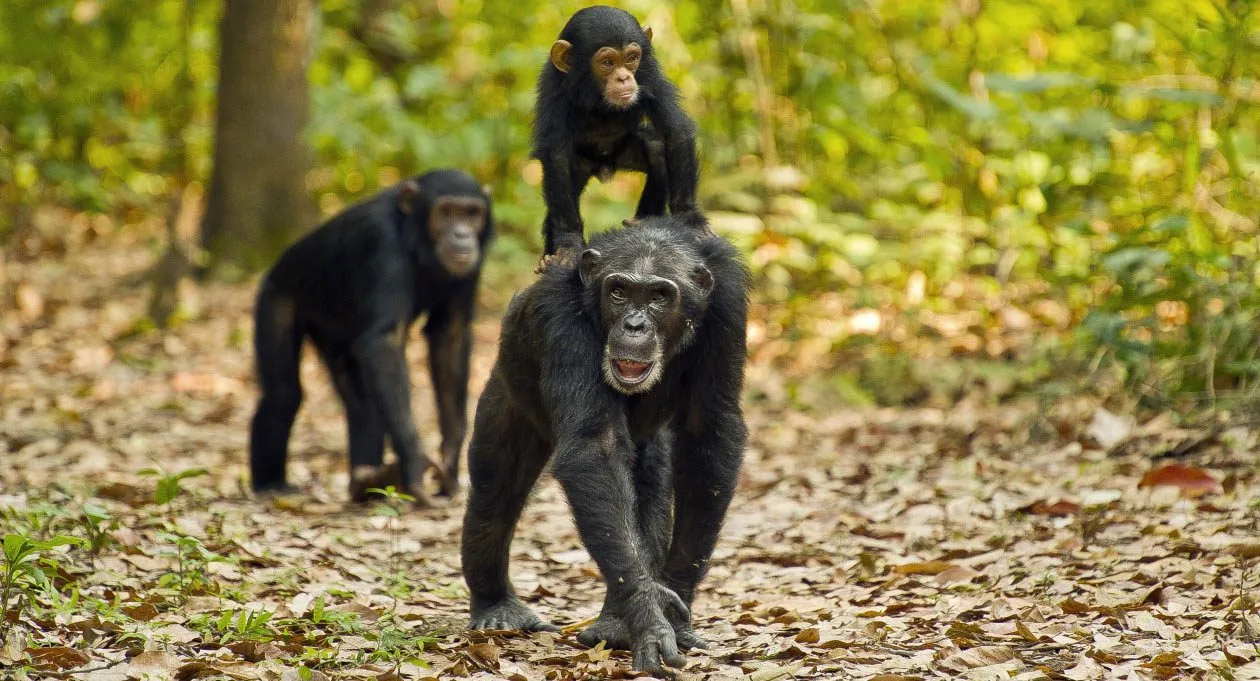
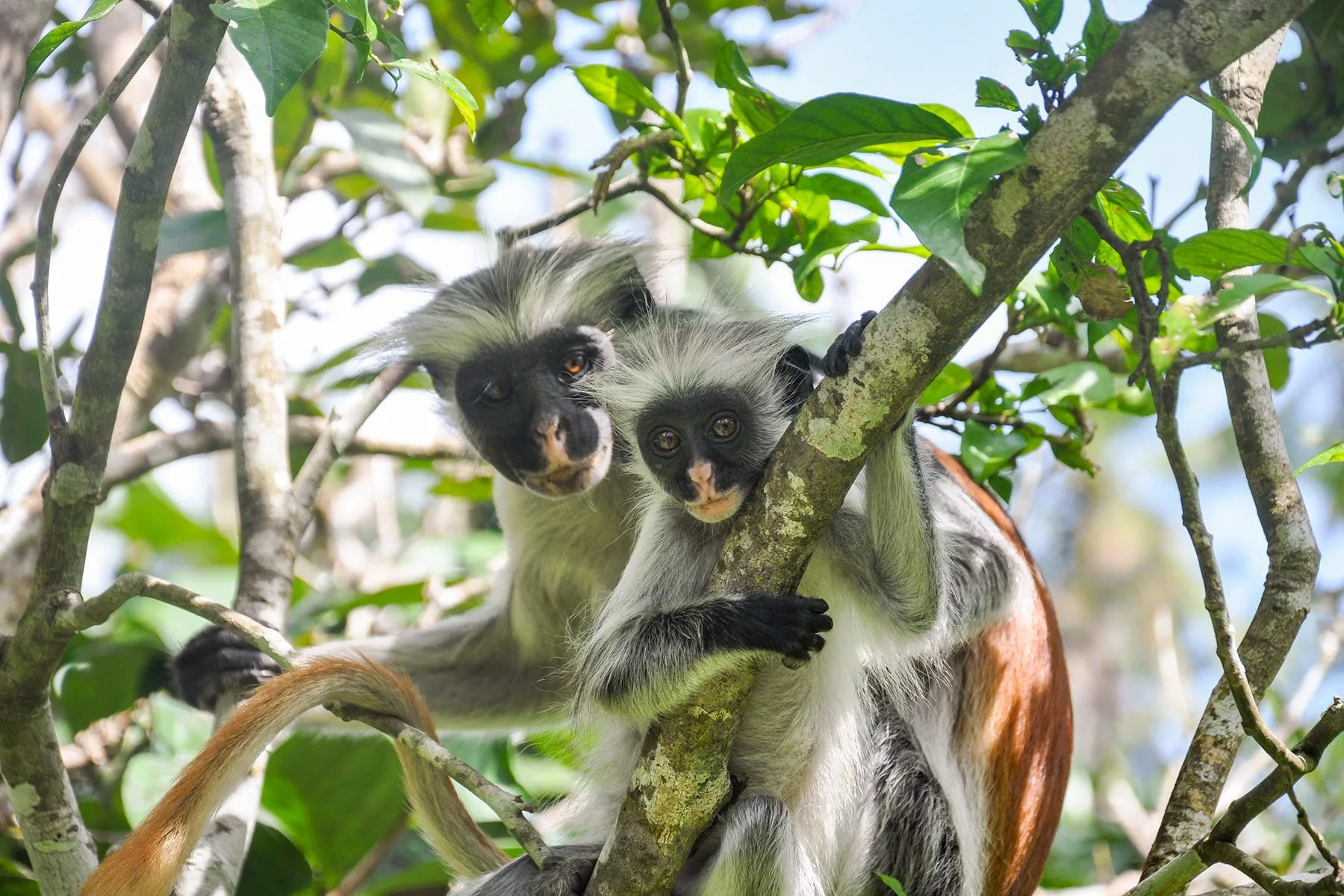
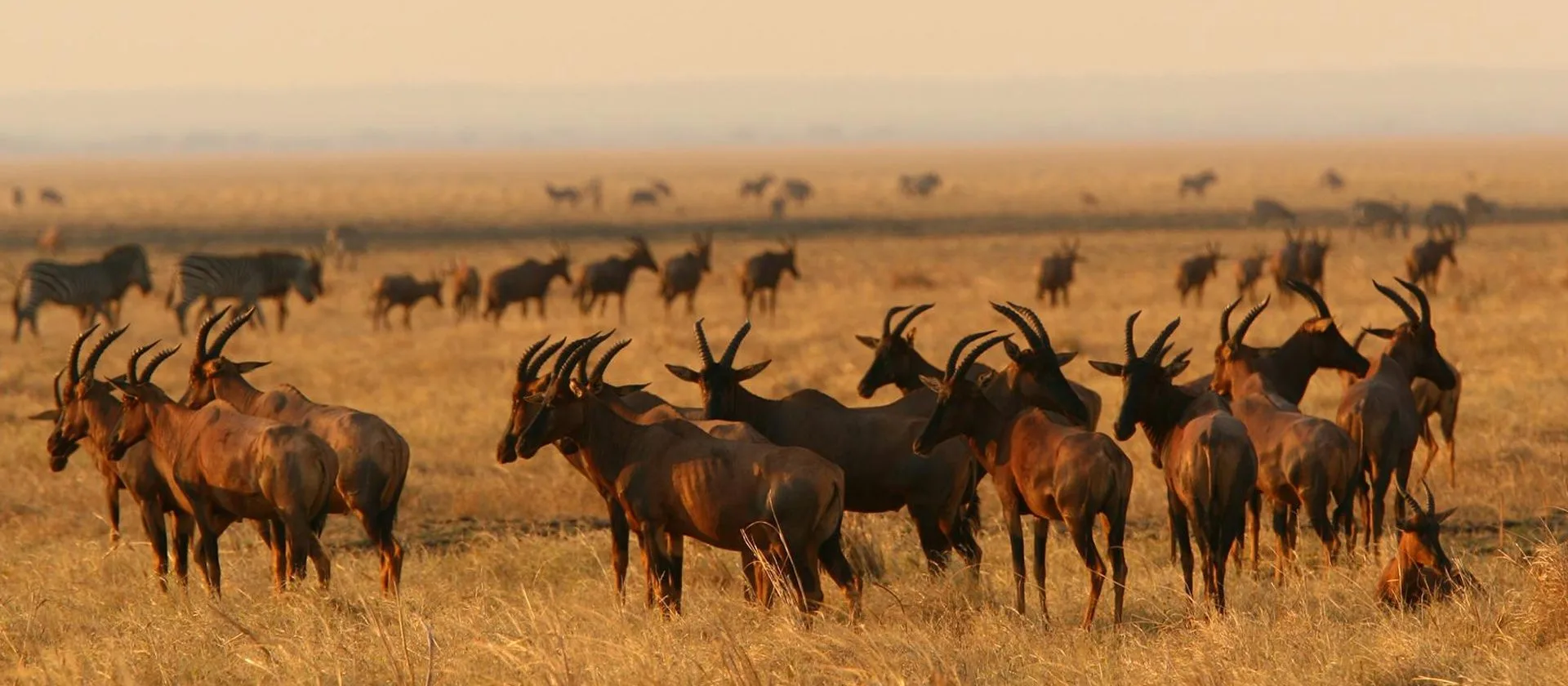
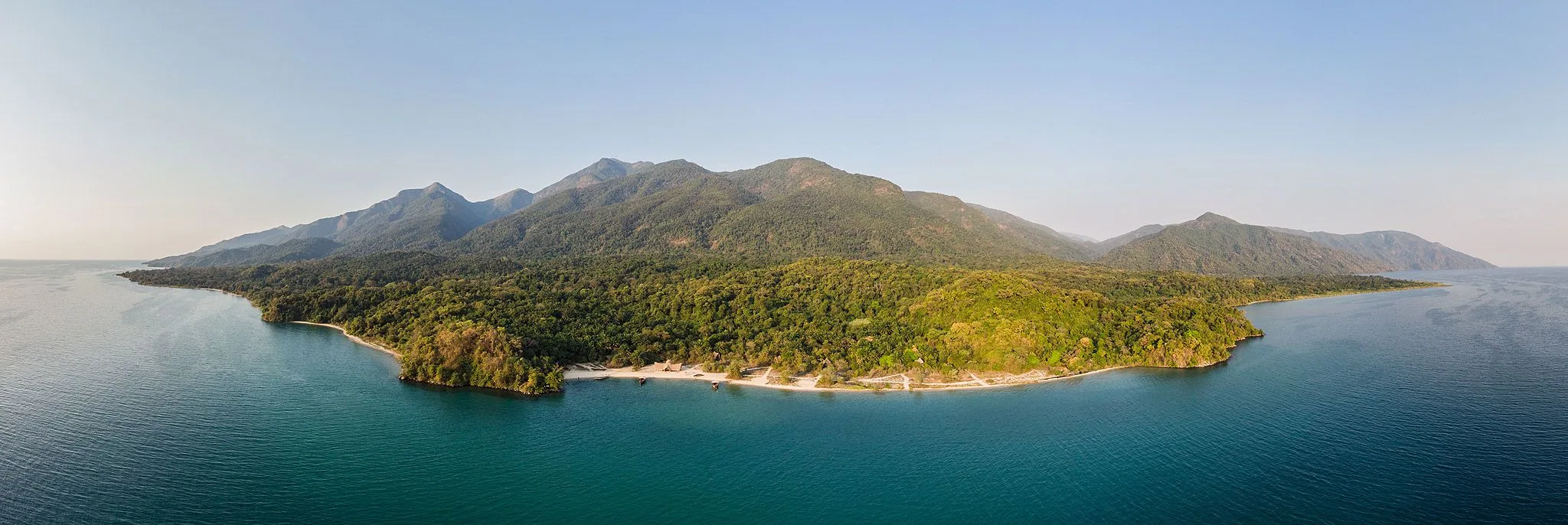
Primates deserve their own mention. Most visitors encounter baboons and vervet monkeys without trying, but the forests of Mahale Mountains National Park on the shores of Lake Tanganyika hold habituated chimpanzee communities that can be tracked on foot with an experienced guide, an experience closer to a jungle trek than a conventional game drive. Rare antelope species round out the mammal list for travelers who have already seen impala and Grant's gazelle many times over: the striped, spiral-horned bushbuck, the shaggy roan antelope, and the diminutive dik-dik all appear in specific pockets of the country and add texture to a trip that might otherwise blur into repeated sightings of the same common species.
For travelers who want their wildlife encounters to mean something beyond a good photograph, conservation-focused safaris offer a way to get close to research and protection work directly, whether that means joining a lion-tracking team, visiting a rhino sanctuary in Mkomazi, or helping release turtle hatchlings on a Zanzibar beach. These experiences tend to be smaller in scale and require booking well ahead, but they connect visitors to the people and institutions working to keep Tanzania's wildlife intact for the next generation, which is a different kind of memorable than a checklist sighting.
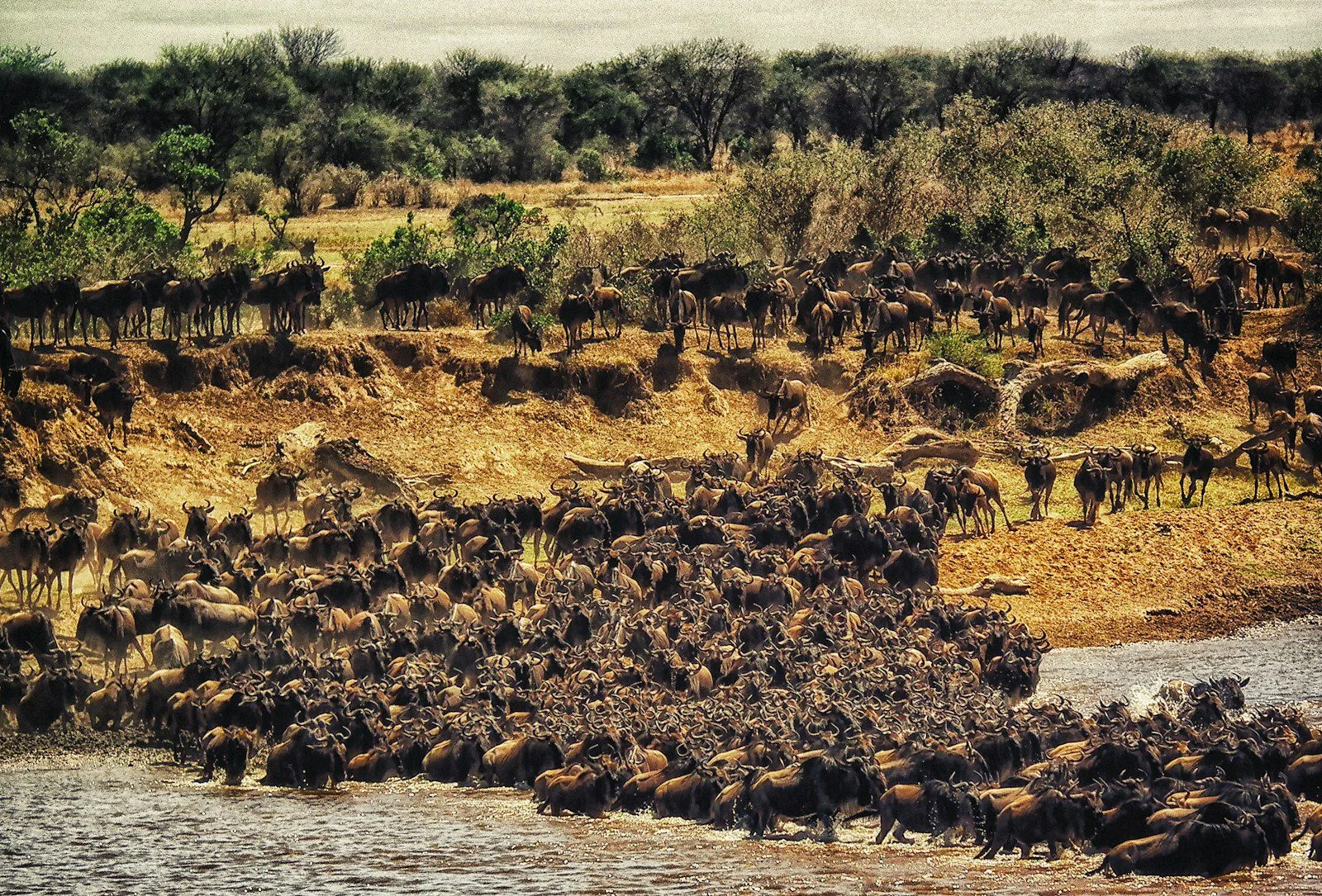
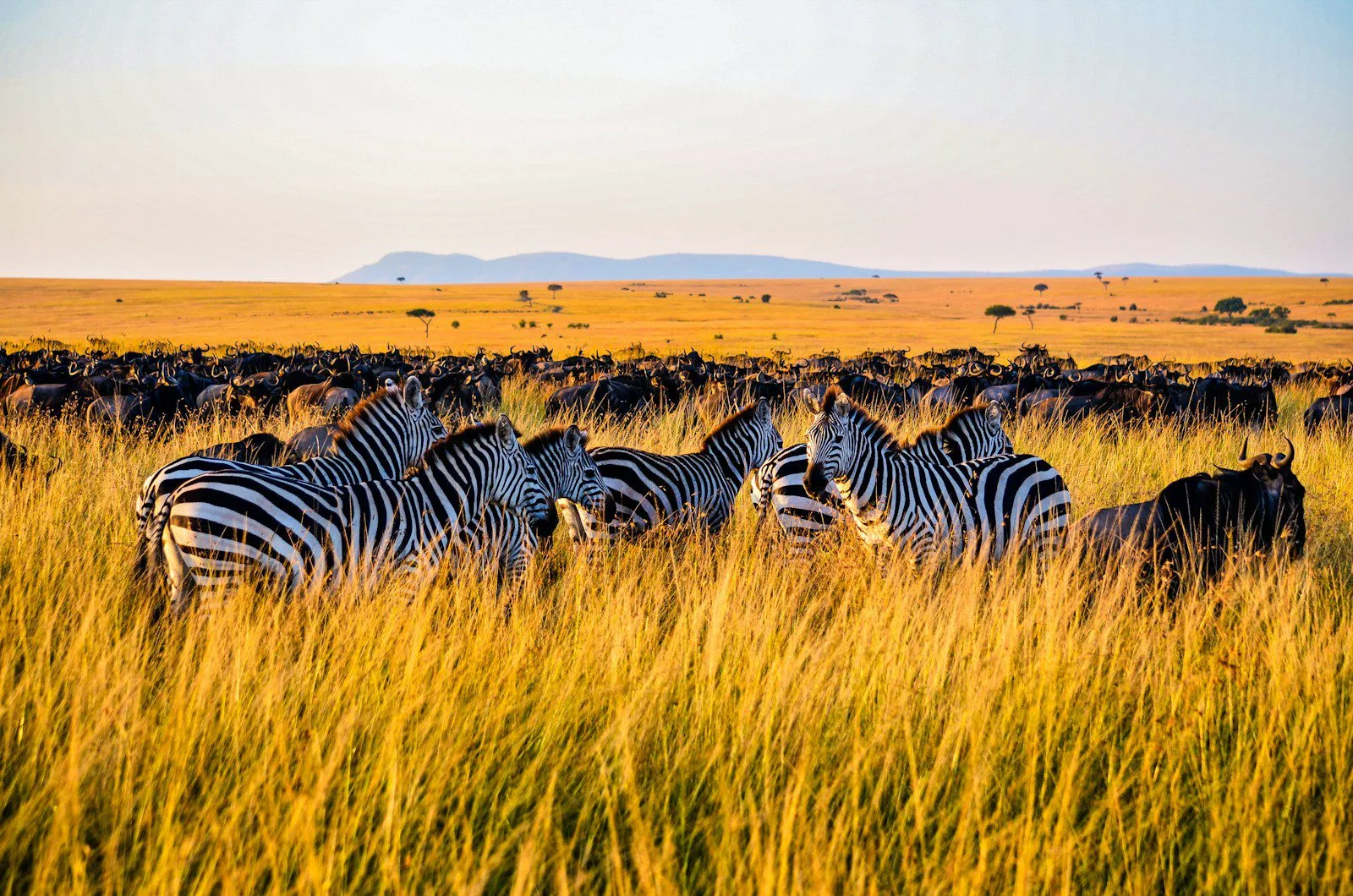
None of this requires abandoning the northern circuit or skipping the Great Migration, which remains genuinely spectacular. It does mean building in time, even a few days, for the parks and habitats that don't make it onto the standard itinerary: Ruaha and Nyerere in the south, Mahale in the west, the Usambaras in the northeast, and the reefs off the coast. A good ground operator can weave these into a broader trip without turning it into a logistical headache, and the reward is a safari that feels like your own rather than a repeat of everyone else's photos. Tanzania's wildlife is far bigger than five species; the parks that hold the rest of it are waiting for travelers curious enough to look.
