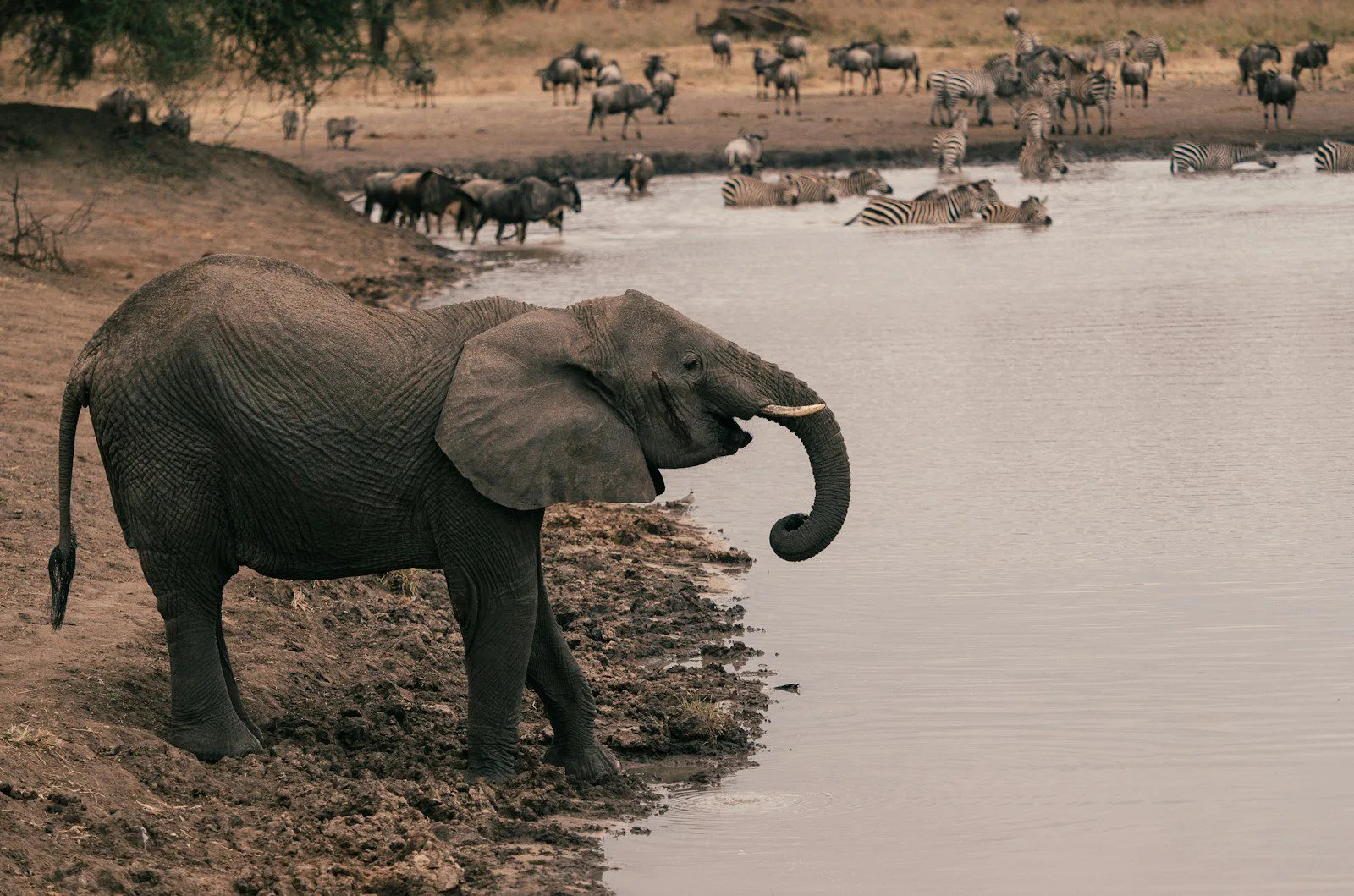
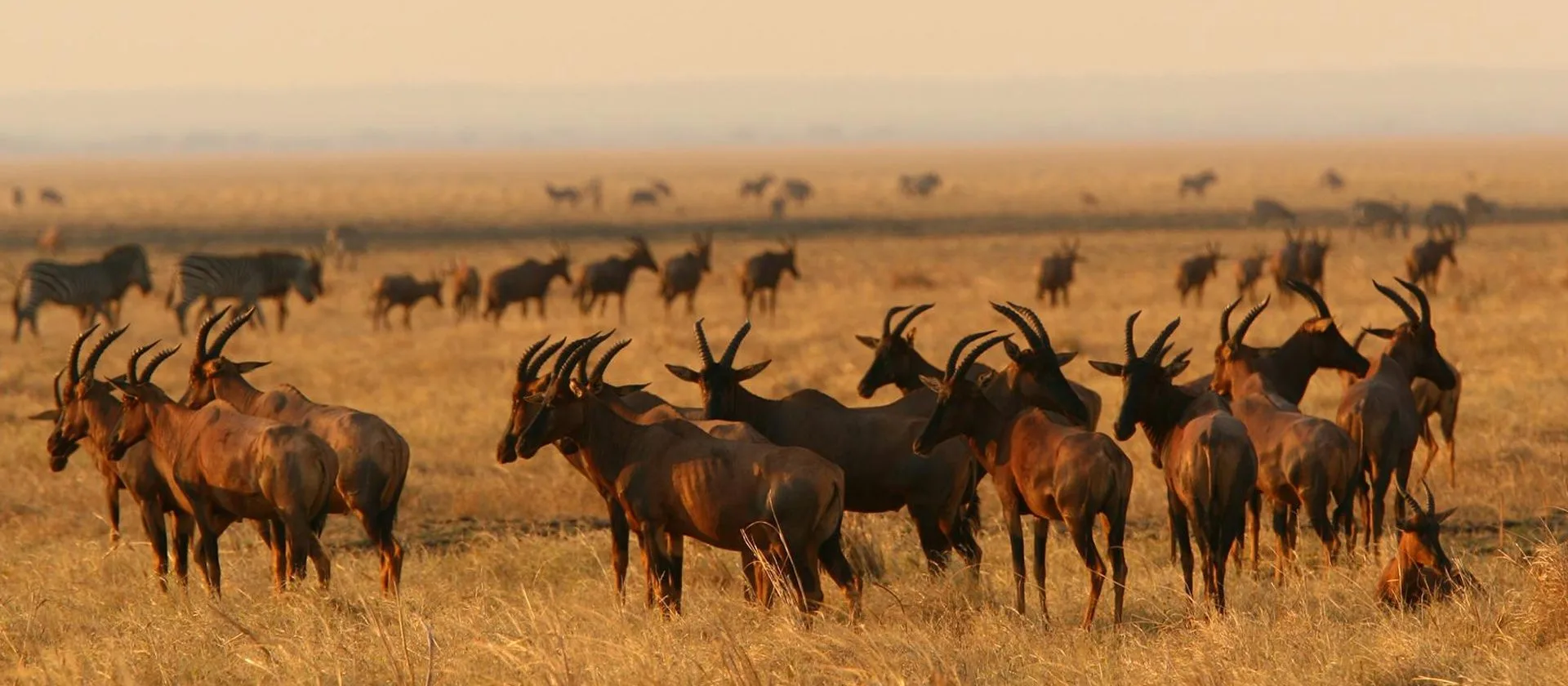

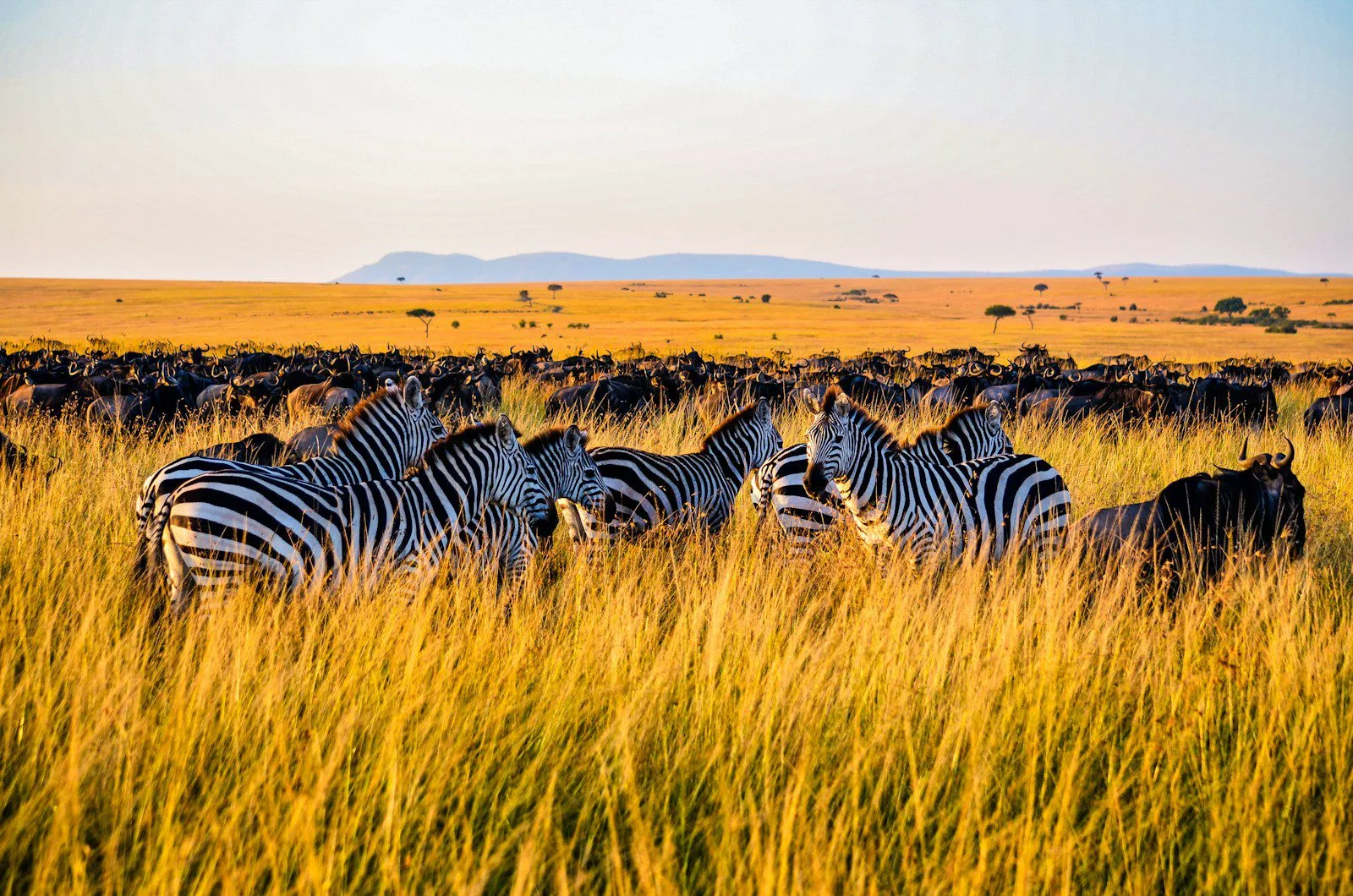

Every year, approximately two million wildebeest, accompanied by hundreds of thousands of zebra and gazelle, undertake a circular journey of over 1,800 kilometers across the Serengeti-Mara ecosystem in search of fresh grazing and water. This relentless cycle of birth, death, and movement has played out for millions of years and remains one of the most awe-inspiring natural phenomena on Earth. Understanding the migration's patterns and timing is essential for planning a safari that places you at the heart of the action.
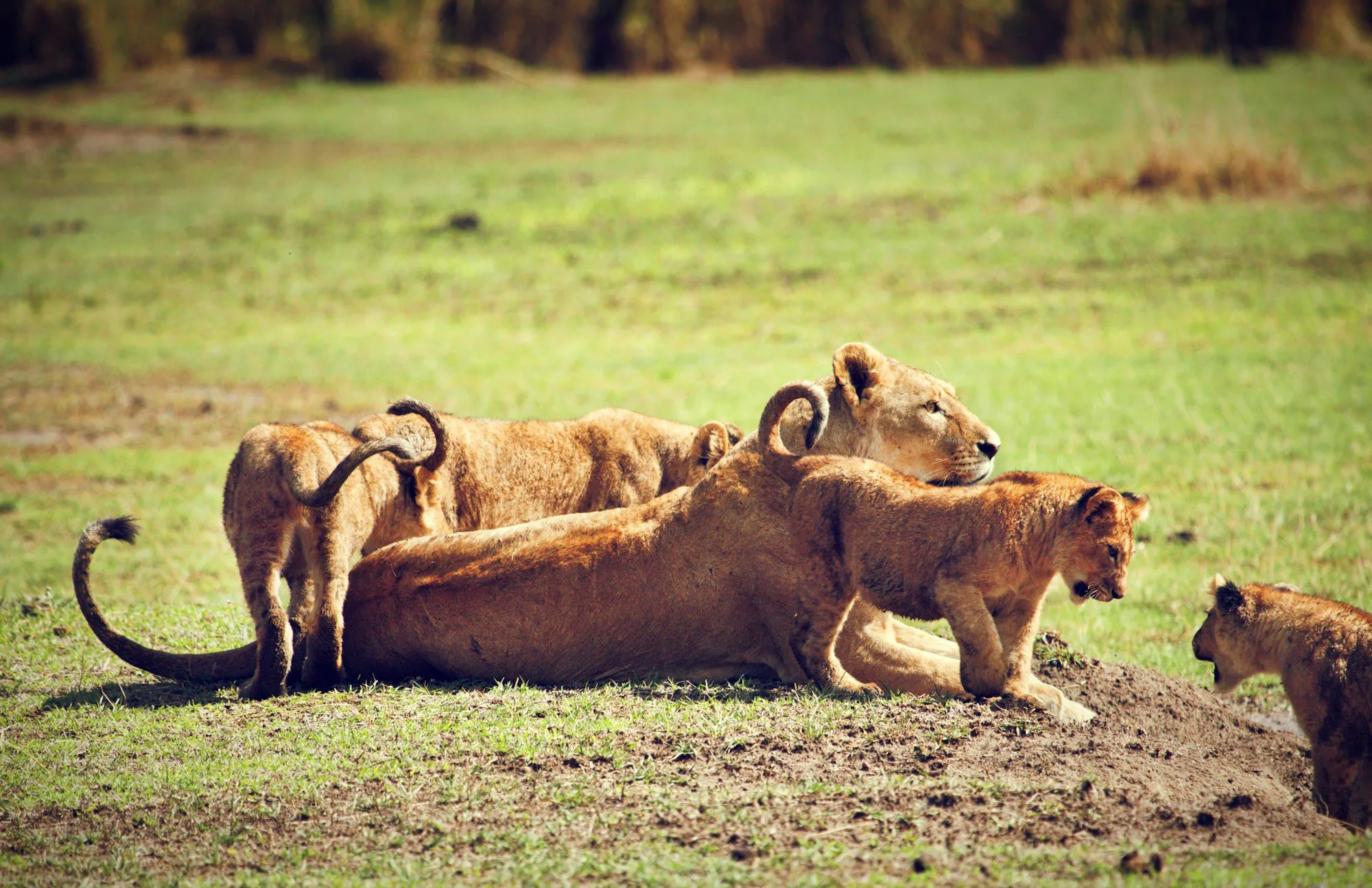
The migration is not a single event but a continuous journey driven by rainfall patterns. From December to March, the herds gather on the short-grass plains of the southern Serengeti, where the nutrient-rich volcanic soil supports the grasses essential for calving. Around 500,000 calves are born in a concentrated burst during January and February, a survival strategy that overwhelms predators through sheer numbers. This calving season is one of the migration's most dramatic chapters, with lions, cheetahs, and hyenas feasting on the abundance.
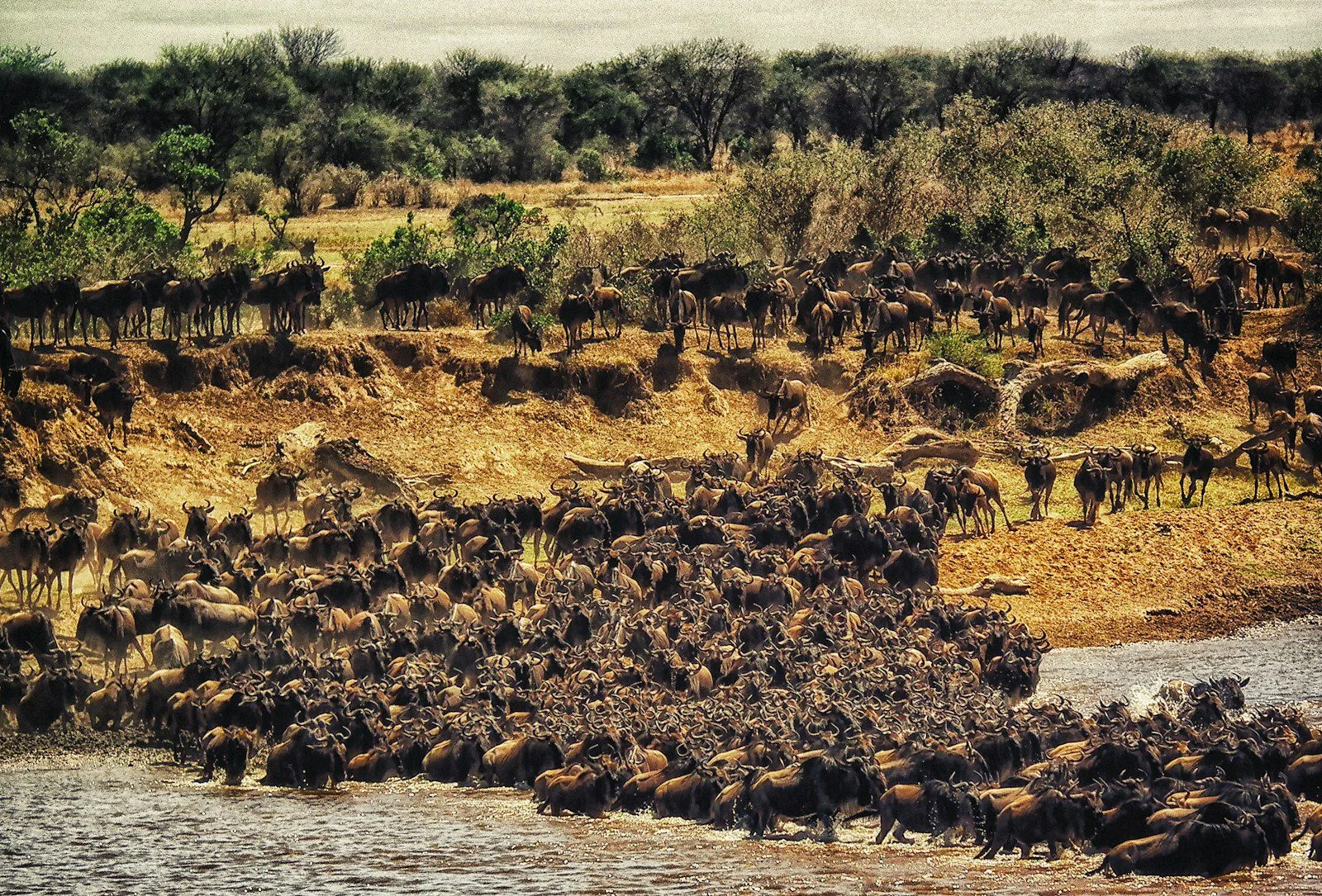
As the rains shift northward from April to June, the mega-herds begin their march through the Western Corridor, following the greening grasslands toward the Mara River. The river crossings, typically occurring from July through September, are the migration's most iconic and dramatic moments. Thousands of wildebeest plunge into the crocodile-infested waters in a chaotic frenzy of survival instinct, creating scenes of extraordinary intensity that have captivated wildlife photographers and filmmakers for decades.
By October and November, the herds have crossed into the northern Serengeti and the Masai Mara in Kenya before the cycle begins again as the short rains draw them back south. Importantly, the migration does not follow a fixed calendar. Its timing shifts each year based on rainfall, meaning local intelligence and expert guides who track the herds in real-time are invaluable for maximizing your migration safari experience.