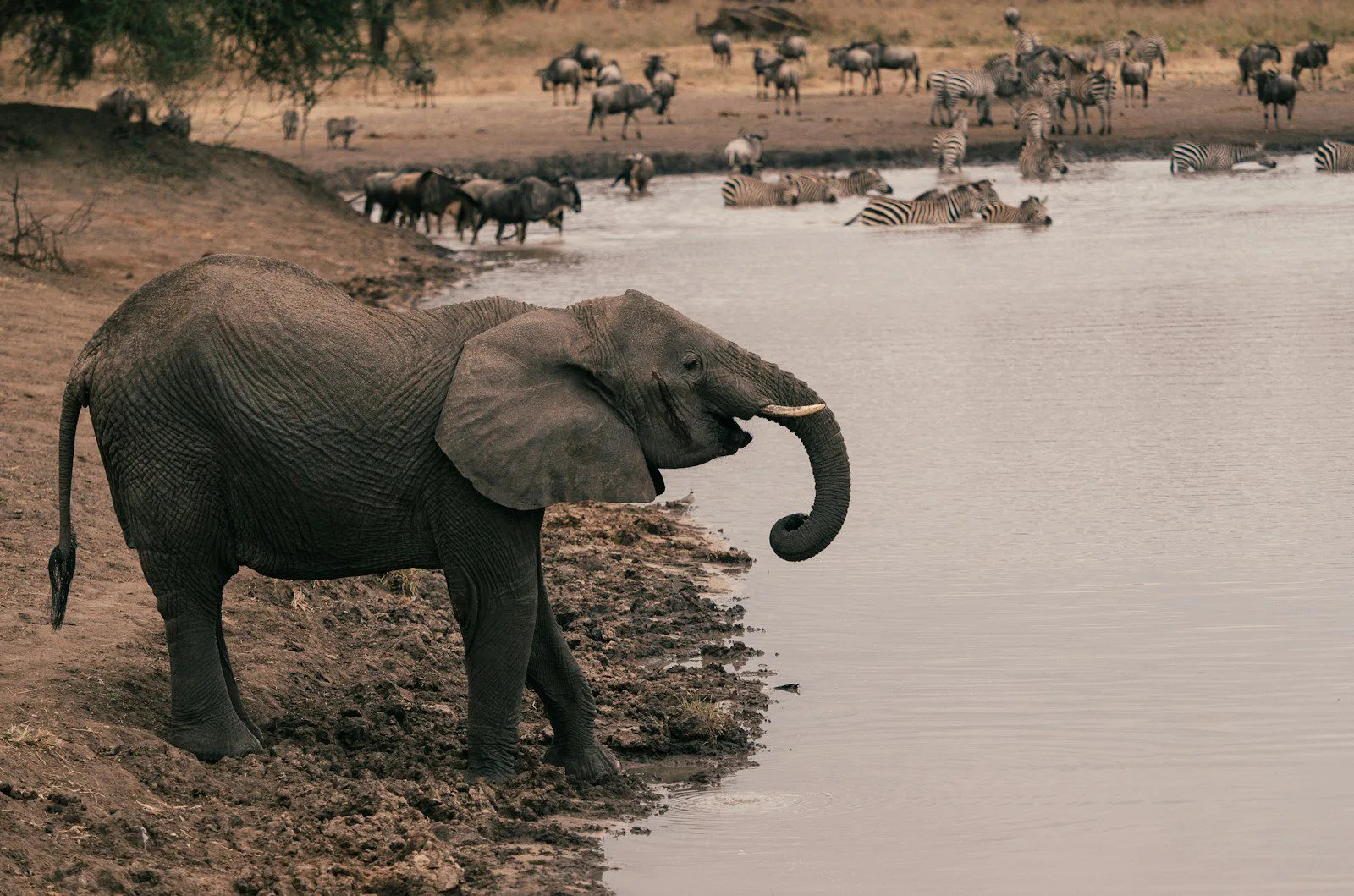
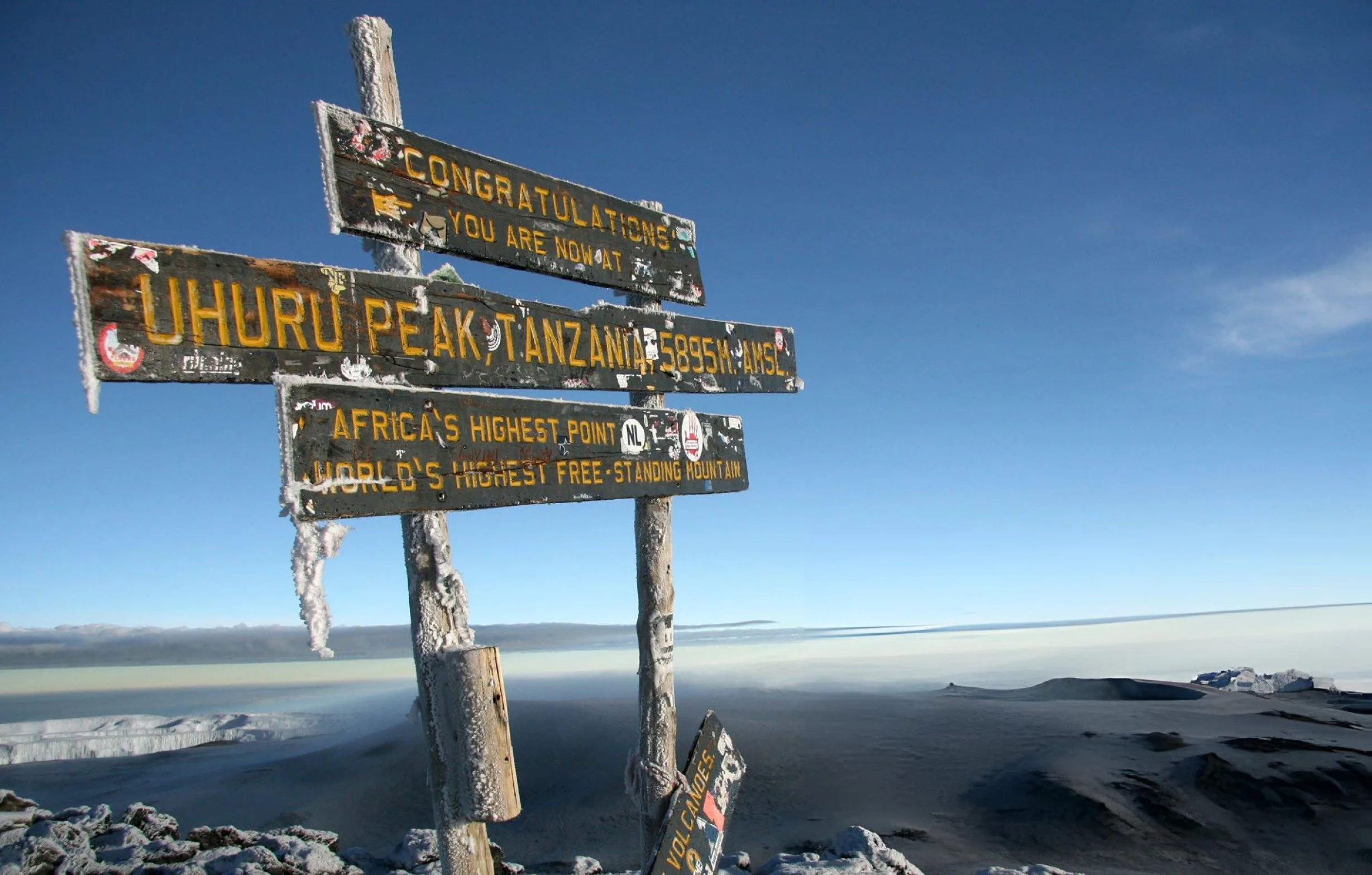
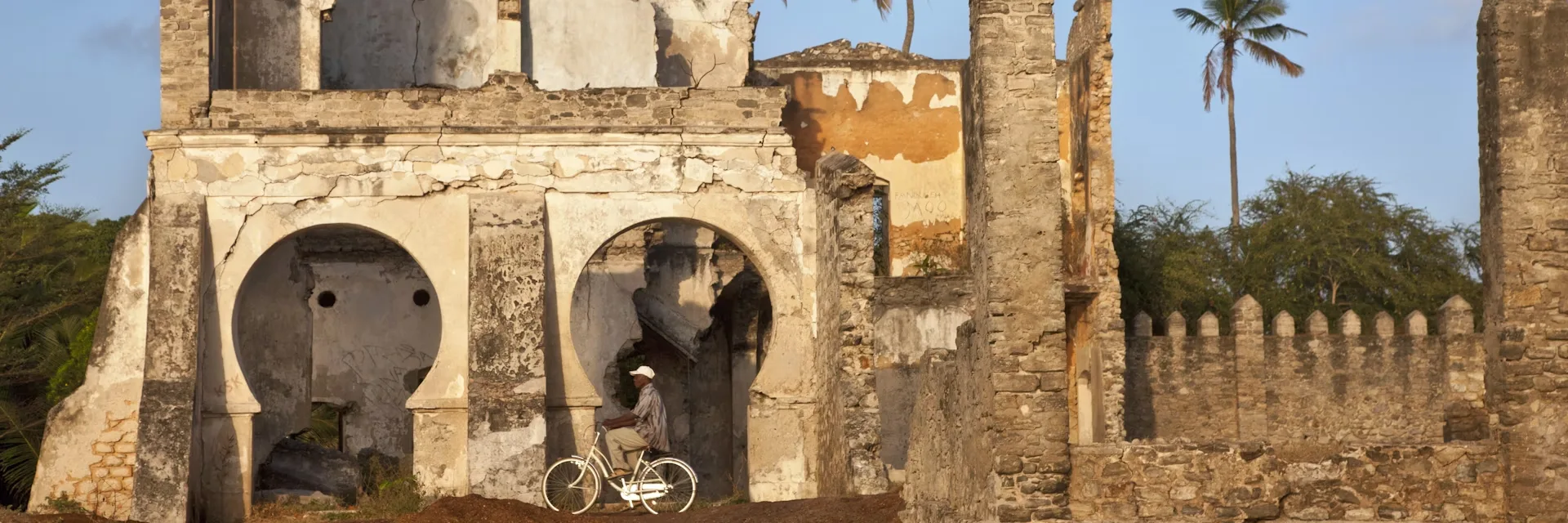

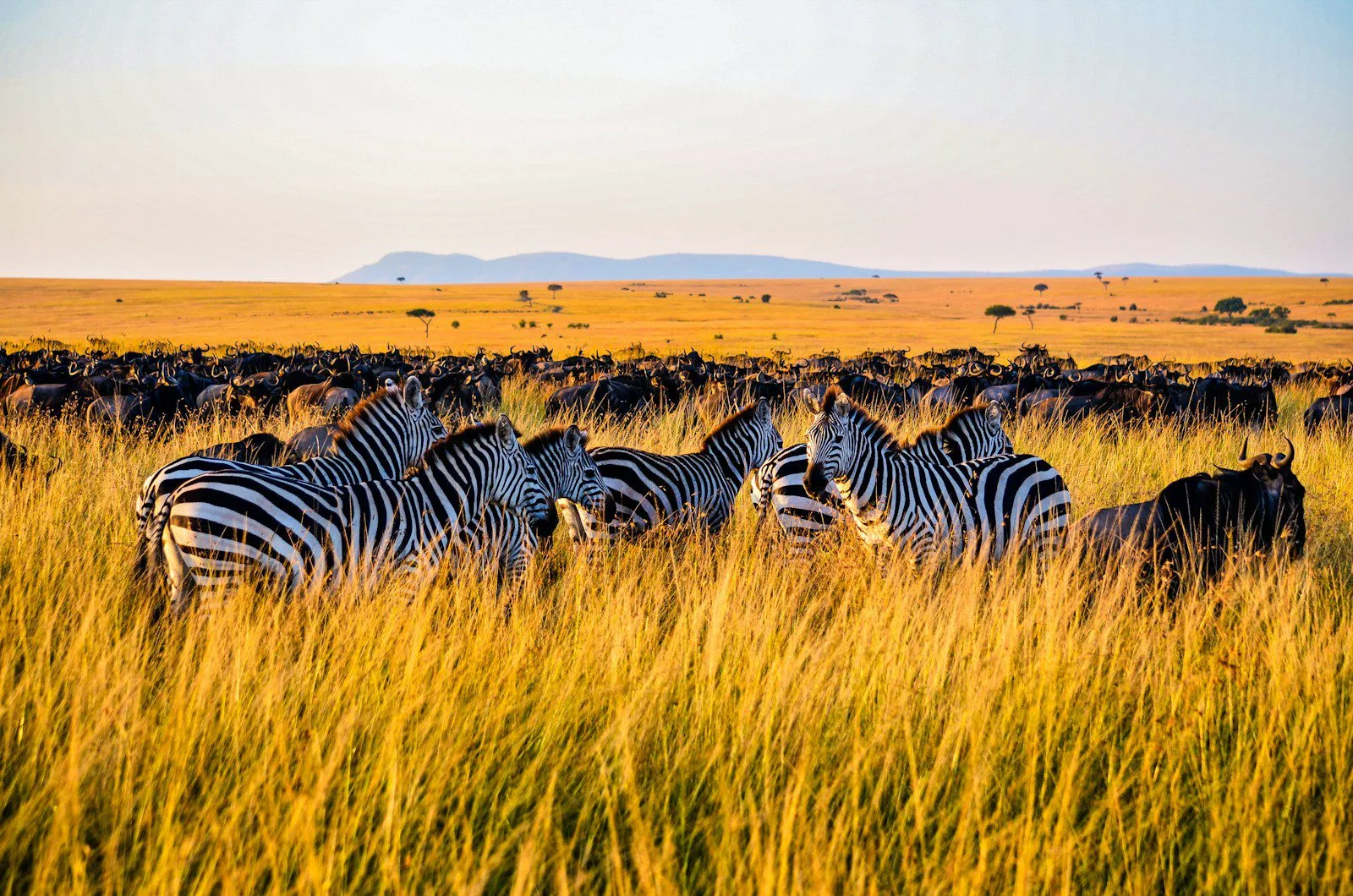
Everyone who plans a Tanzania safari hears the same four names: Serengeti, Ngorongoro, Tarangire, Lake Manyara. They earn the hype, but they also mean crowded viewpoints, radio-chatter between guides, and a queue of vehicles at every leopard sighting. A handful of far quieter parks scattered across the west, south, and coast offer the same raw wilderness with almost none of the traffic — you just need more time, a bit more budget for flights, and a willingness to trade guaranteed Big Five checklists for something more intimate.
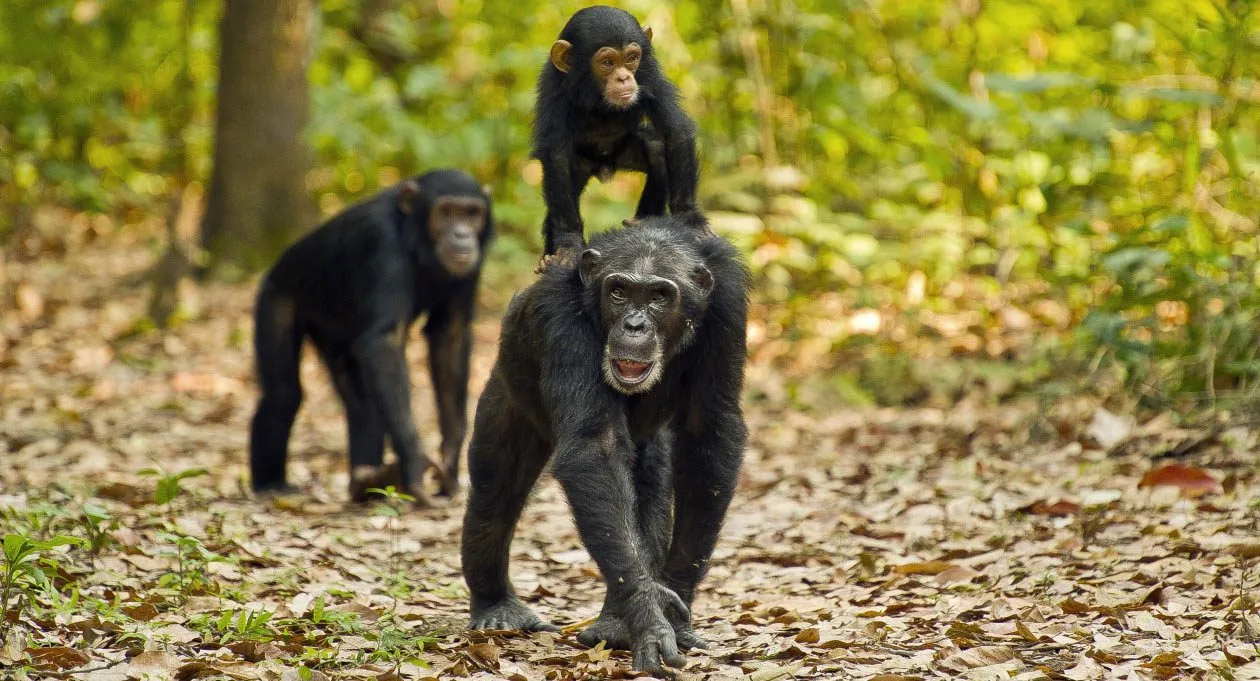
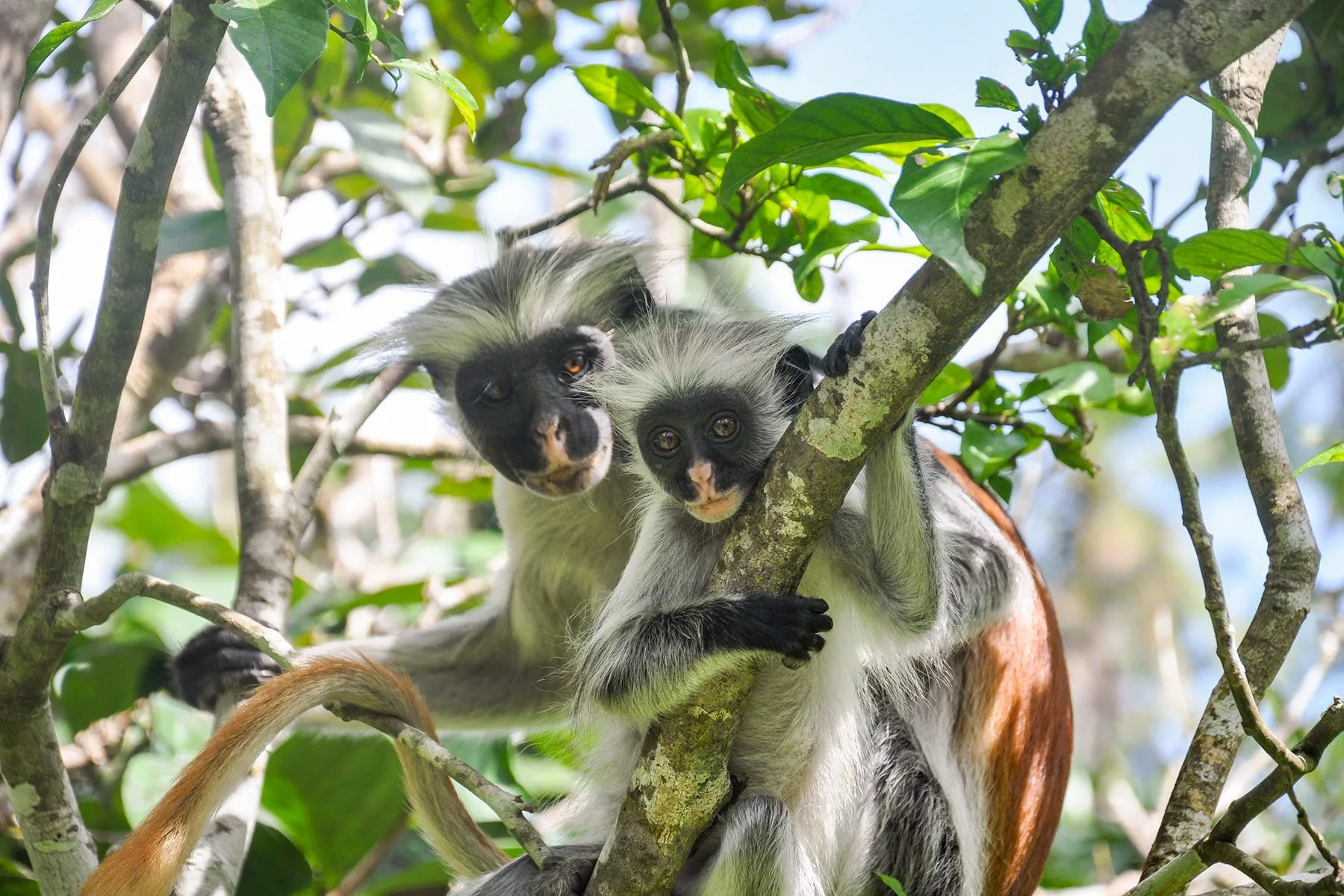
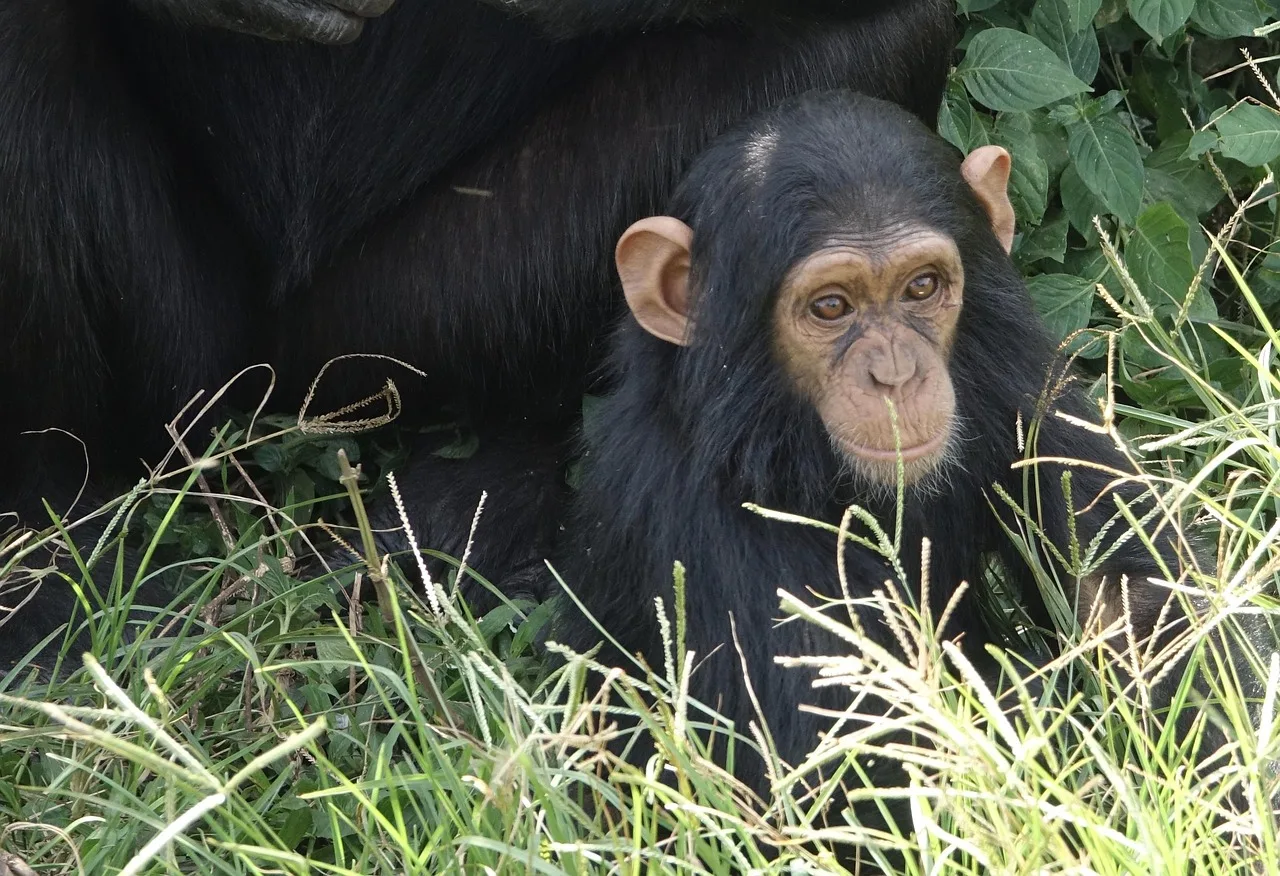
Gombe Stream National Park, tucked into steep forested hills above Lake Tanganyika in the far west, is where Jane Goodall began her chimpanzee research in 1960 and where her legacy continues today. It is one of Tanzania's smallest parks, reachable only by boat from Kigoma, and visitor numbers are capped by the terrain itself — trails are narrow, forest paths are steep, and chimp families range widely through the canopy. A morning spent following a habituated troop through Gombe's rainforest, with red colobus monkeys and over 200 recorded bird species in the understory, is a completely different kind of safari experience than a vehicle-based game drive.
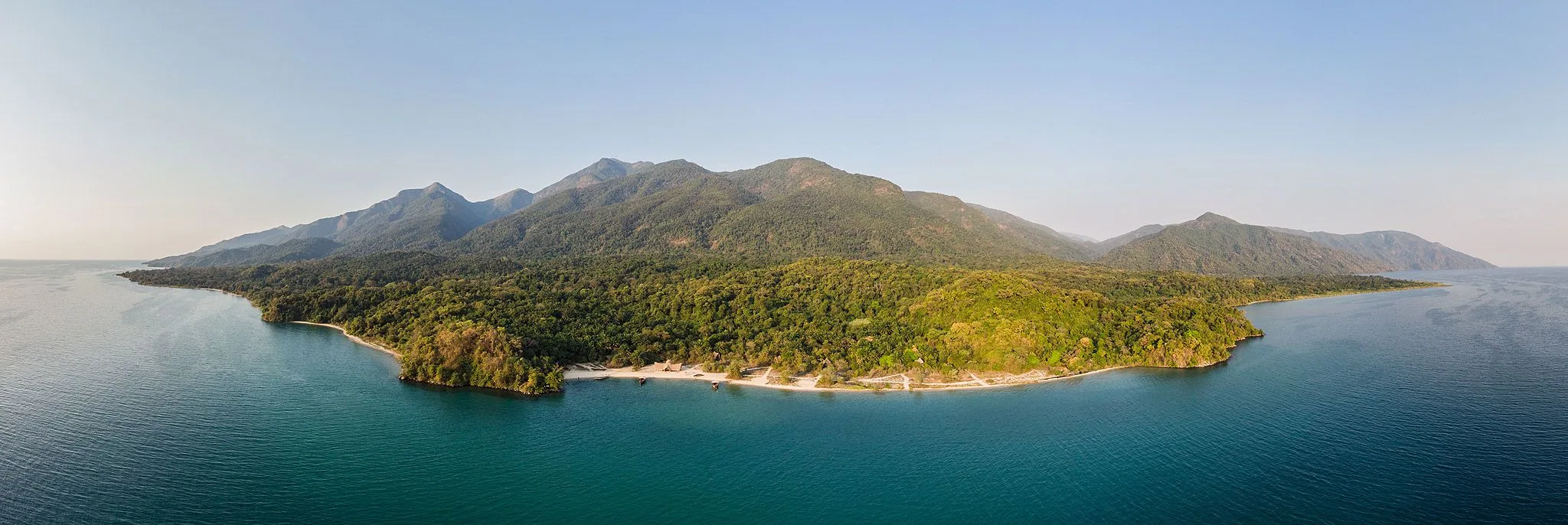
A few hours south along the same lake shore sits Mahale Mountains National Park, arguably East Africa's finest chimpanzee-trekking destination and one that most first-time visitors to Tanzania have never heard of. Mahale has no roads at all — access is by boat or light aircraft, and once ashore you walk, sometimes for hours, through montane forest that climbs toward 2,400-metre peaks. The reward is not just chimpanzees but a backdrop of white sand beaches on a freshwater lake so clear you can see fish from the shore, making it one of the very few places on earth to combine primate trekking with lakeside relaxation.
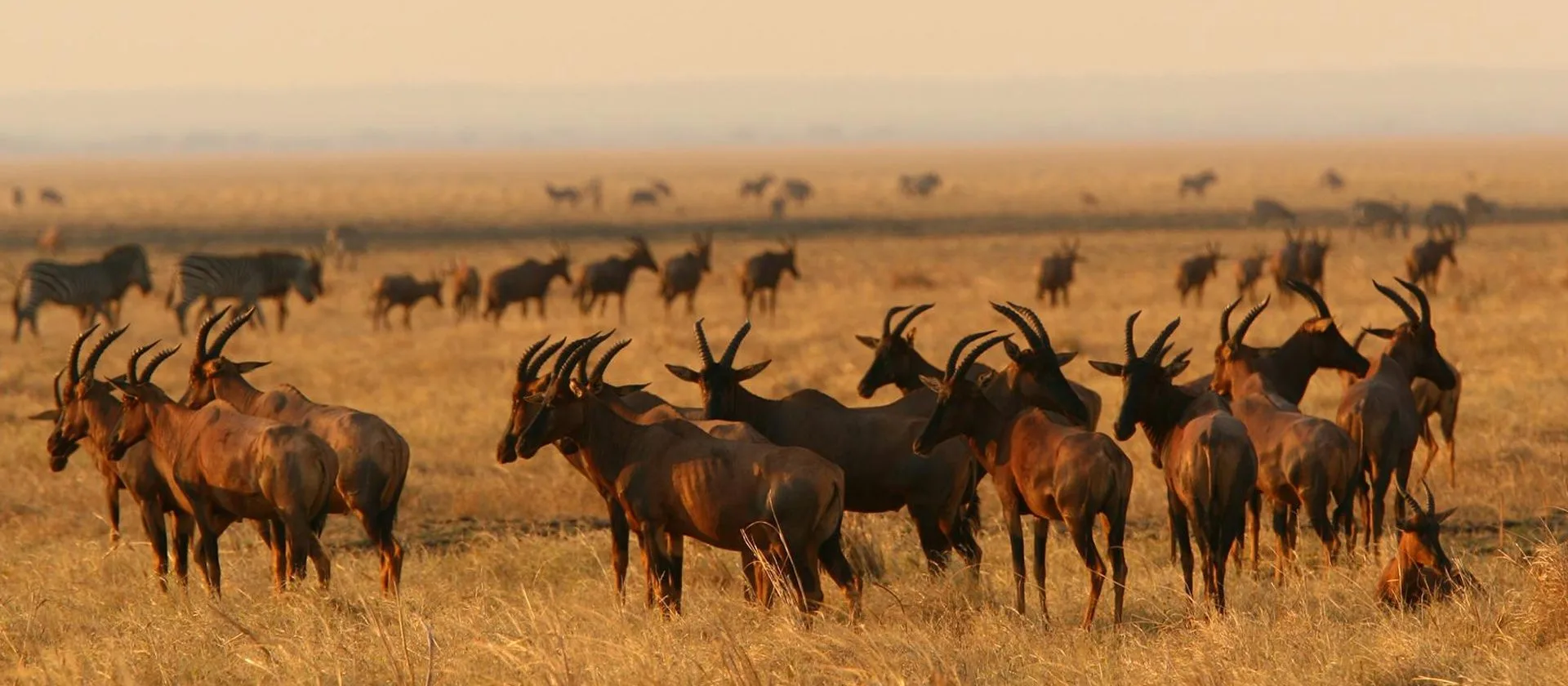
Inland, Katavi National Park is Tanzania's third largest park and arguably its wildest, sitting far enough off the tourist circuit that lodges number in the single digits. In the dry season, the Katuma River and its floodplain lagoons shrink to a handful of muddy pools, forcing enormous concentrations of hippo and buffalo into tight spaces alongside prides of lion and packs of wild dog. Katavi delivers the kind of raw, unscripted wildlife drama that made Tanzania famous in the first place, minus any other vehicles in sight — but its remoteness means it works best as an add-on to a fly-in southern circuit itinerary rather than a standalone trip.
On the Indian Ocean coast, Saadani National Park holds a genuine claim to uniqueness: it is the only park in East Africa where bush meets beach, with lions, elephants, and giraffes roaming savannah that runs down almost to the tideline. Game drives here are shorter and the animal densities lower than in the northern parks, but the appeal is the combination — a morning safari followed by an afternoon on an undeveloped Indian Ocean beach, with green sea turtles nesting on the same shore during the season. Saadani sits close enough to Dar es Salaam and Zanzibar to make an easy add-on for travelers ending a trip on the coast.
Rubondo Island National Park, a forested island in the southwestern corner of Lake Victoria, is perhaps the most overlooked park on this list. It was used decades ago as a sanctuary to reintroduce chimpanzees, elephants, giraffes, and other species relocated from elsewhere, and today it functions as a low-key wildlife and birding retreat best explored on foot, by canoe, or on a night walk listening for the elusive, semi-aquatic sitatunga antelope. There are no crowds because there is essentially no infrastructure to bring them — just one or two small camps and a genuine sense of having an entire island to yourself.
Further south, Ruaha National Park has quietly become Tanzania's largest national park and holds one of Africa's most significant elephant populations, along with excellent predator sightings along the Great Ruaha River. It is not truly "undiscovered" among serious safari travelers, but it remains dramatically less visited than the northern circuit, and its baobab-studded, semi-arid landscape gives it a completely different visual character from the Serengeti's open grass plains.
For travelers who want scenery and hiking rather than another game drive, the Udzungwa Mountains offer something unusual in Tanzania: a park with almost no large mammals but exceptional biodiversity, including primate species found nowhere else on earth. Waterfall hikes through montane rainforest, some reaching several hours to a full day, make Udzungwa a natural pairing with a beach stay in Zanzibar or a stop en route to Ruaha.
Because these parks are spread across the west, south, and coast rather than clustered together like the northern circuit, visiting more than one usually means chartering small aircraft between them, and lodge capacity is limited enough that advance booking matters more than it does up north. The payoff for that extra planning is a Tanzania safari that looks nothing like everyone else's photos — chimpanzee treks through untouched rainforest, a beach at the edge of a game park, and wildlife encounters without another vehicle in sight.