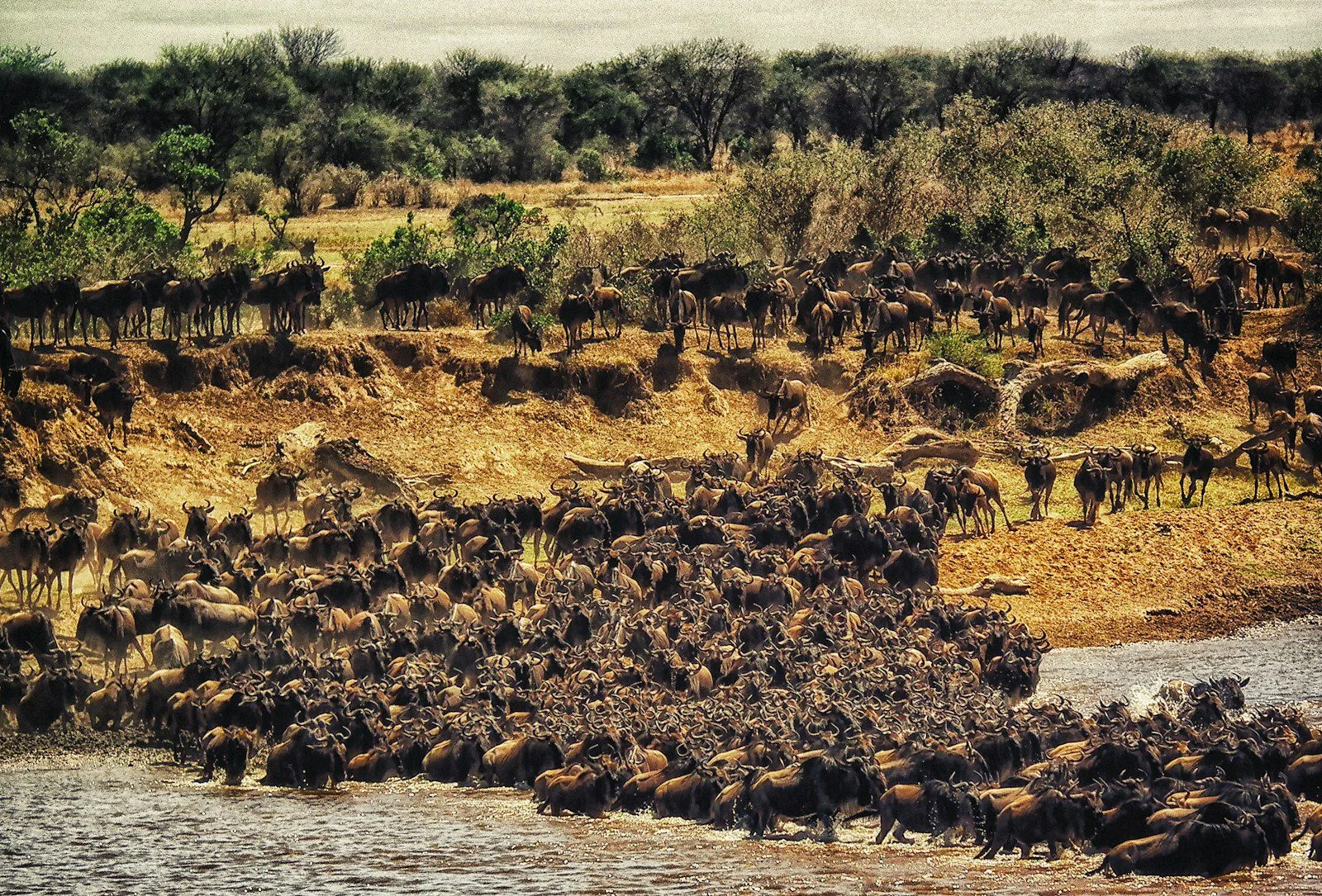

Most people plan a Tanzania safari around a checklist of animals — lion, elephant, the wildebeest crossing the Mara River — and the human side of the country barely makes the itinerary. That is a missed opportunity. Tanzania is home to more than 120 ethnic groups, and weaving even a day or two of genuine cultural contact into a wildlife trip tends to be the part travelers talk about years later, long after the animal sightings have blurred together. This isn't about photographing people in traditional dress from a moving vehicle; it's about sitting down, asking questions, and letting a community share its own story on its own terms.
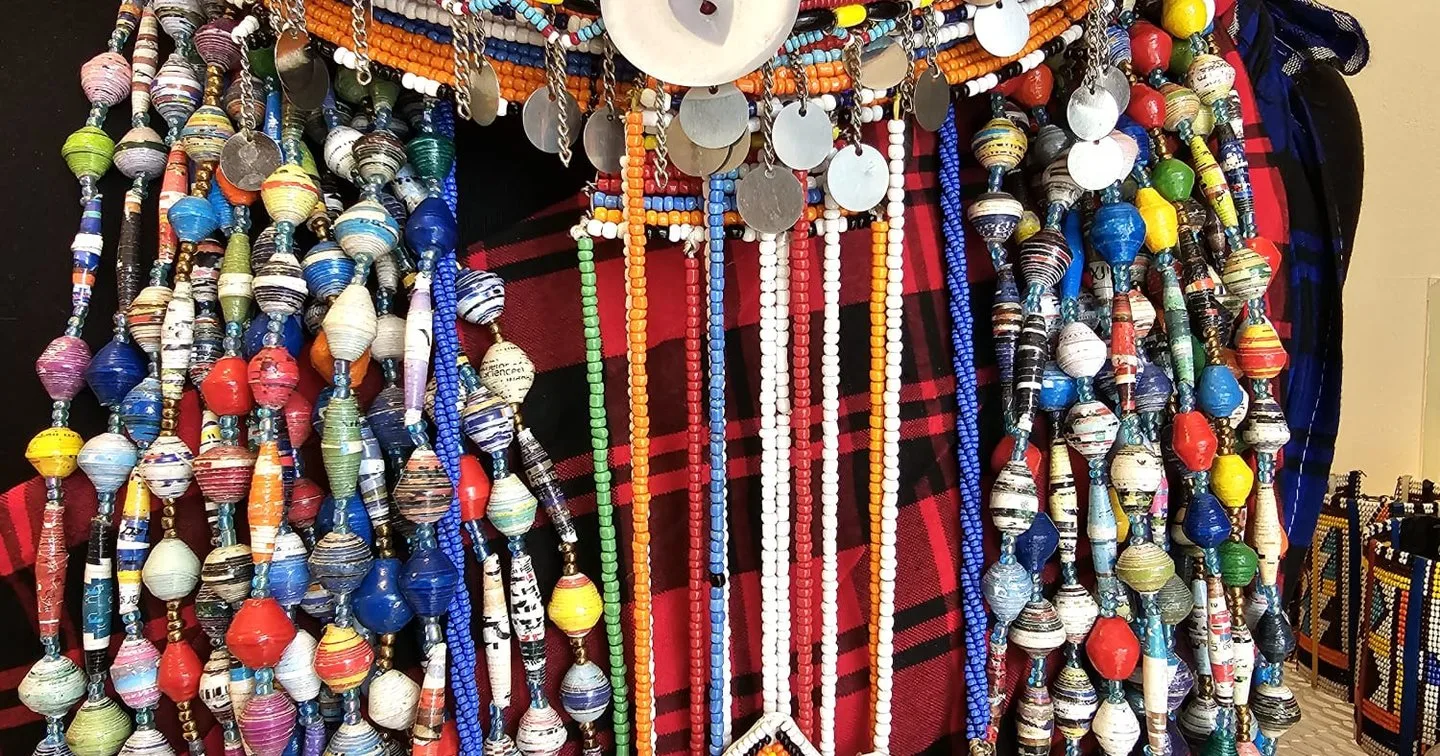
The Maasai are the community most visitors encounter, since their homelands border the Ngorongoro Crater, Serengeti, and Lake Manyara — prime safari territory in northern Tanzania. Semi-nomadic pastoralists who measure wealth in cattle rather than currency, the Maasai organize their society around age-sets and rites of passage, and a visit to a boma (homestead) typically includes a look at the low, dome-shaped houses built from mud, sticks, and cow dung, an explanation of herding and grazing patterns, and often the famous adumu jumping dance performed by young warriors. Beadwork is worth paying attention to as well: colors and patterns encode information about age, status, and milestones, and buying directly from the women who make it is one of the more tangible ways a visit puts money into local hands rather than into a tour operator's margin.
Further south and west, near Lake Eyasi, live the Hadzabe, one of the last true hunter-gatherer peoples left in East Africa. Their way of life has almost nothing in common with the Maasai's — no livestock, no permanent structures, a language built around distinctive click consonants, and a daily rhythm still organized around tracking game and foraging tubers, berries, and wild honey. A morning with Hadzabe hunters, following them into the bush with bows and arrows and watching them start a fire by hand, is less a performance than an unfiltered glimpse of a lifestyle that predates agriculture entirely. It tends to leave a stronger impression than almost anything else on a Tanzania itinerary, precisely because so little of it has been adapted for an audience.
Sharing the same landscape as the Hadzabe are the Datoga, pastoralists and skilled blacksmiths who trade tools, arrowheads, and jewelry forged from scrap metal to their hunter-gatherer neighbors in exchange for meat and other goods. Watching a Datoga blacksmith work a piece of metal over an open fire, using techniques passed down with almost no written instruction, says something about how these communities have coexisted and depended on each other for generations — a detail that rarely makes it into a standard safari brochure but adds real texture to understanding the region.
None of this works, though, if it's approached as a human safari — as though people were another species to observe and check off a list. The same courtesy that governs a good wildlife encounter applies here, just more so: ask before photographing anyone, buy crafts directly from the artisans who made them rather than from a middleman, dress modestly, and spend more time listening than asking questions that assume you already know the answer. Booking through an operator who has an established, paid relationship with the community — rather than one who simply shows up — makes a visible difference in how genuine the encounter feels on both sides, and it's a fair question to ask a tour company directly before you commit.
Logistically, cultural stops slot naturally into itineraries that already pass through these areas. A Ngorongoro Crater safari can easily include a Maasai village visit on the crater rim before or after a game drive. A Serengeti-bound route through Karatu or the Lake Eyasi basin can add a morning with the Hadzabe without much of a detour. And a longer northern circuit safari — say ten days or more through Tarangire, Lake Manyara, Serengeti, and Ngorongoro — has enough slack to include both, plus a Datoga stop, without feeling rushed. The mistake to avoid is squeezing a cultural visit into thirty rushed minutes between game drives; an hour and a half to two hours gives a community time to actually show you something rather than perform a highlight reel.
Timing a trip around a cultural event, where possible, adds another layer entirely. The Maasai Eunoto ceremony, marking a group of young men's passage into senior warriorhood, happens periodically and is a major, moving occasion when it coincides with a visit. The Bagamoyo Festival of Arts on the coast showcases Tanzanian music, dance, and storytelling more broadly, and the Nane Nane agricultural fair in early August turns into a genuinely interesting cross-section of rural Tanzanian life, with farmers and craftspeople from across the country. None of these are guaranteed to align with a given trip, but it's worth asking an operator whether anything is happening during your travel window.
Done well, this kind of tourism is not extractive — it's one of the more direct ways safari income reaches people who don't work for lodges or drive vehicles. Craft sales, guiding fees, and the wages paid to community members who host visits fund school fees, healthcare, and, in some cases, the deliberate preservation of skills and stories that might otherwise fade as younger generations move toward cities and different livelihoods. For the traveler, the payoff is less measurable but just as real: a Tanzania trip that includes an afternoon with the Maasai, a morning tracking with the Hadzabe, or an hour watching a Datoga forge iron tends to be remembered less for what was seen through a camera lens and more for what was actually said, taught, and shared face to face.