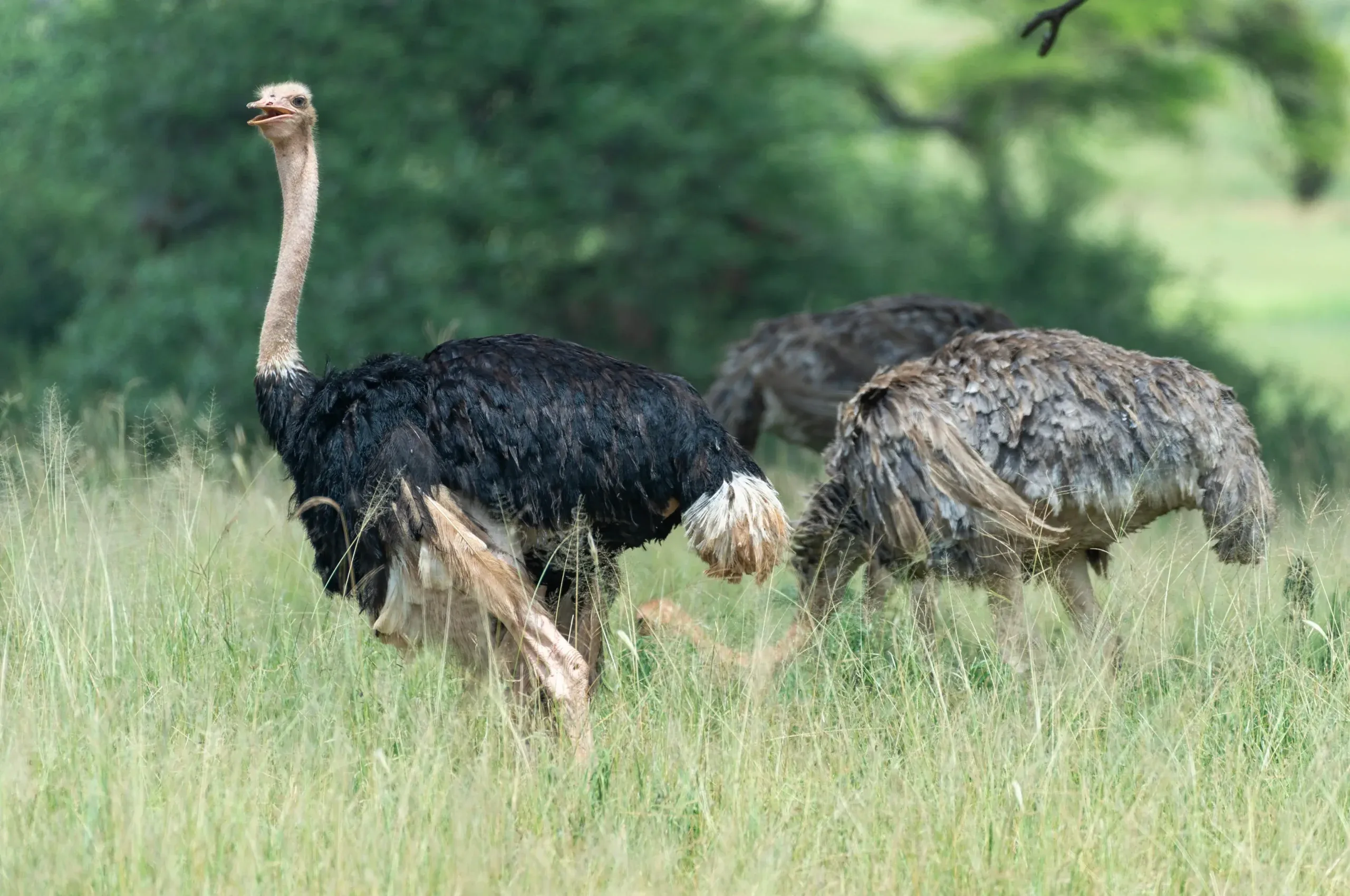
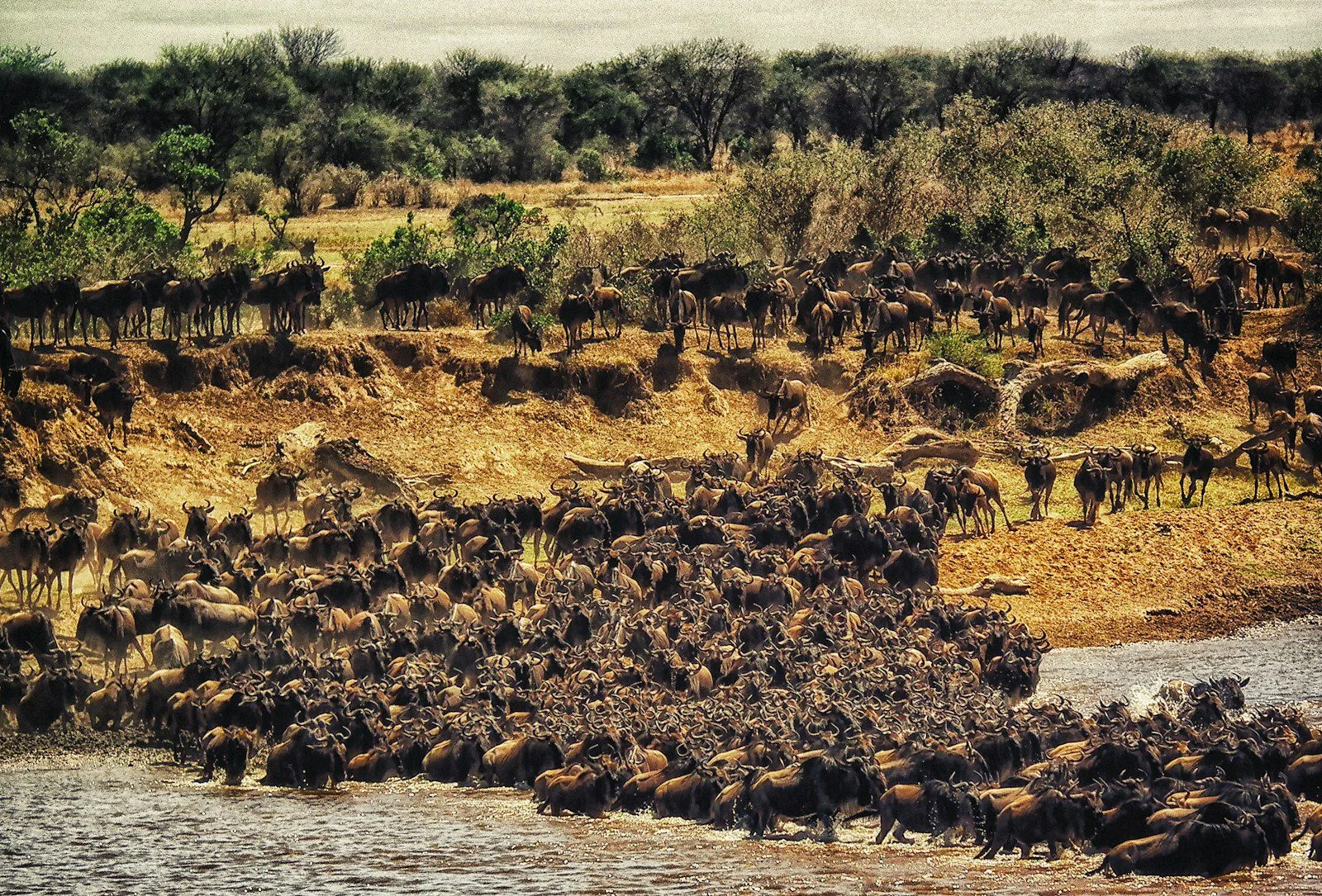
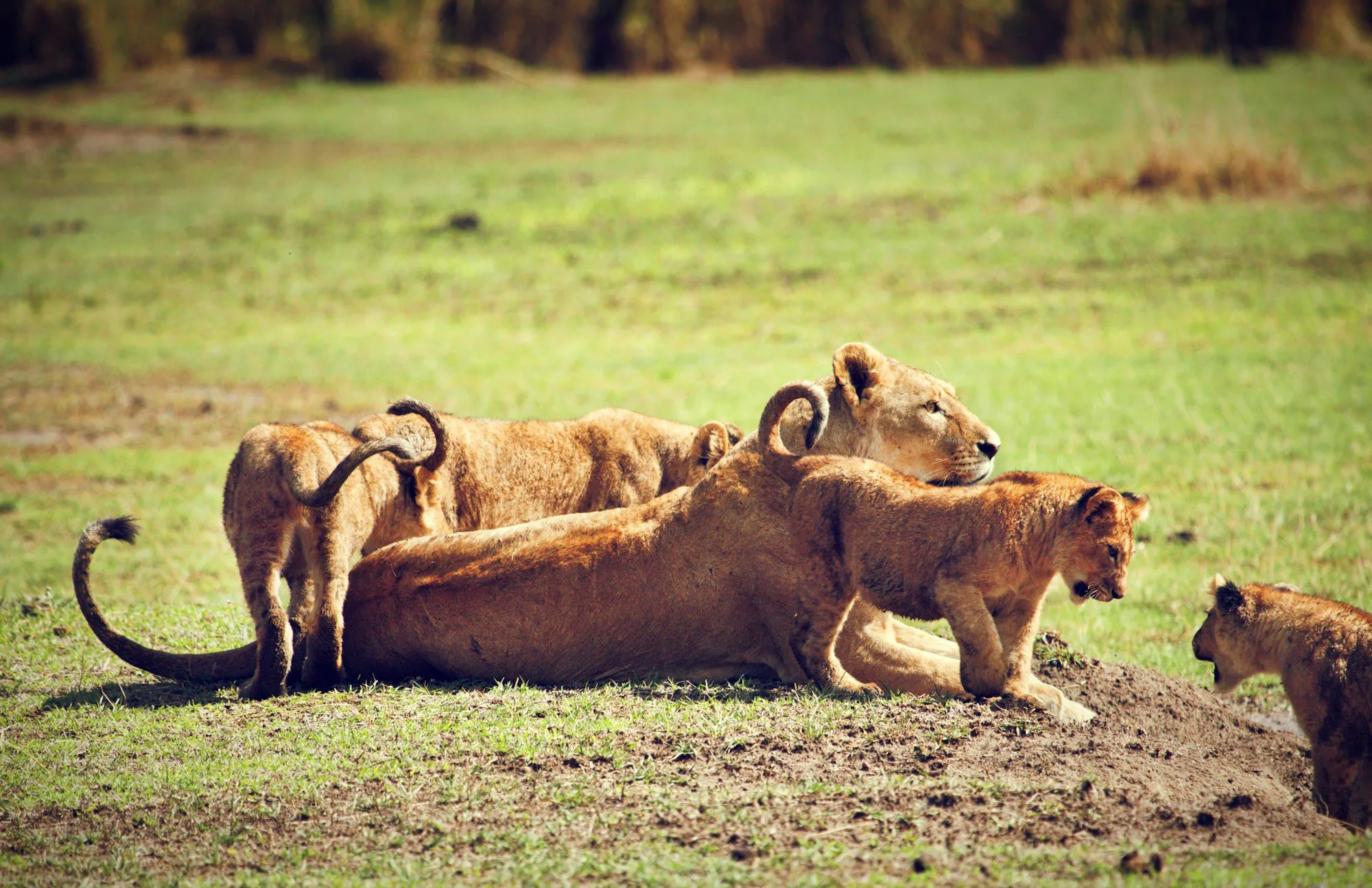
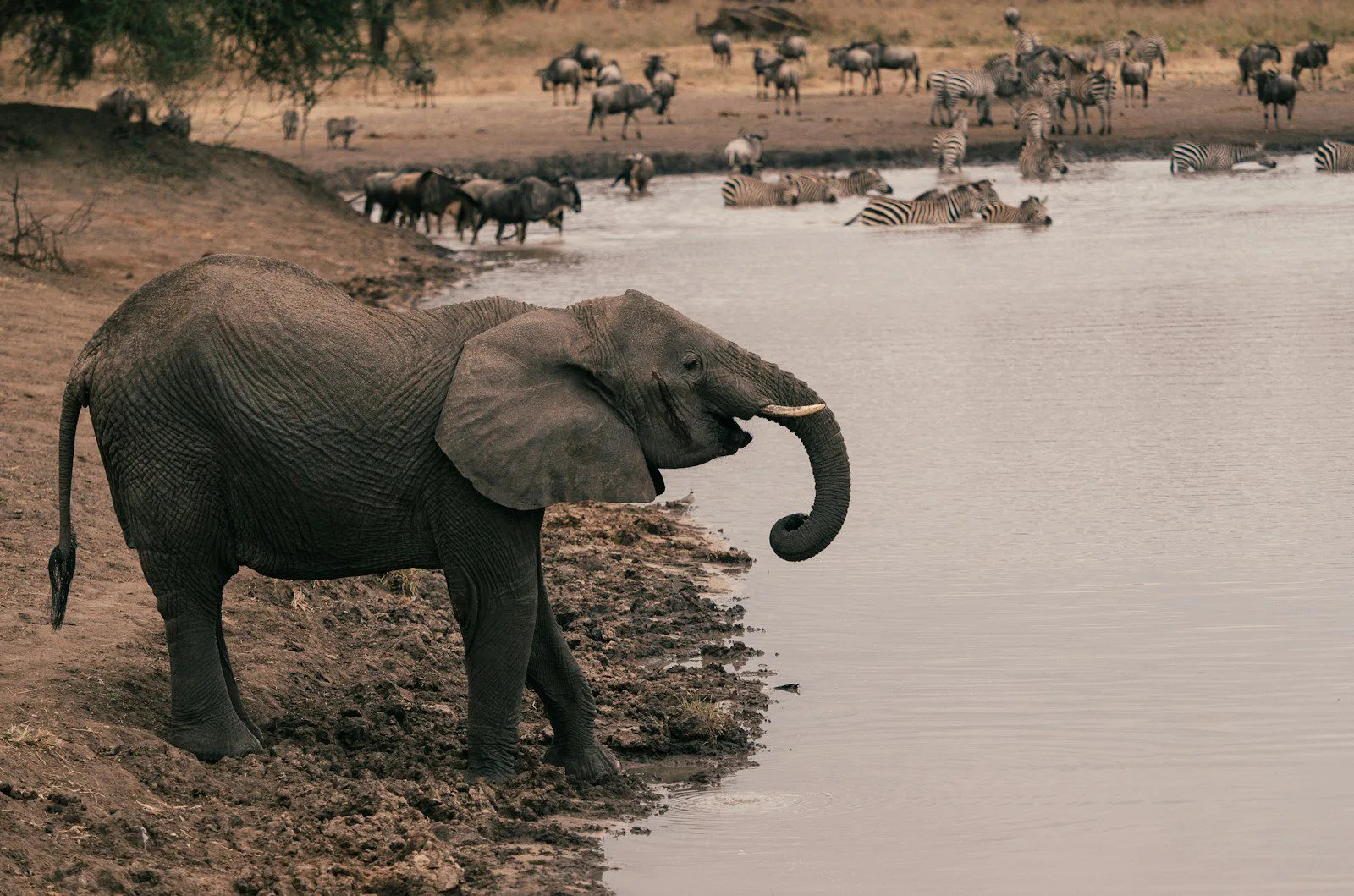


Tanzania is home to some of the last great wildlife populations on Earth, but this extraordinary natural heritage faces constant pressure from poaching, habitat loss, and human-wildlife conflict. The good news is that a new model of conservation is emerging, one that places local communities at the center of wildlife protection and harnesses the power of responsible tourism to fund conservation efforts. When you go on safari in Tanzania, you are not just having the experience of a lifetime; you are directly contributing to the survival of the species you have come to see.
Park fees, conservation levies, and concession charges paid by safari operators contribute millions of dollars annually to the Tanzania National Parks Authority (TANAPA) and the Ngorongoro Conservation Area Authority. These funds support anti-poaching patrols, wildlife monitoring programs, habitat management, and the maintenance of the infrastructure that makes safari tourism possible. In addition, many progressive safari companies, including Wild Call Tanzania, contribute directly to community conservation projects that give local people a tangible stake in protecting wildlife.
Community-based conservation has proven to be one of the most effective strategies for protecting wildlife in East Africa. When communities benefit economically from wildlife through tourism employment, revenue sharing, and community development projects, they become active partners in conservation rather than viewing wildlife as competitors for resources. Programs that train local youth as safari guides, fund schools and clinics near park boundaries, and support women's cooperatives are creating a virtuous cycle where human development and wildlife conservation reinforce each other.
As a traveler, you can amplify your positive impact by choosing operators committed to responsible tourism practices: employing local staff, using eco-friendly camps, minimizing environmental footprint, and maintaining transparent community benefit programs. By traveling responsibly, you become part of the solution, ensuring that the lions, elephants, and wildebeest that make Tanzania extraordinary continue to thrive for generations to come.