

Every year, more travelers arrive in Tanzania asking a version of the same question: can a safari actually be good for the places and people it touches, or is "eco-friendly" just marketing gloss stitched onto a brochure? The honest answer is that it depends entirely on the choices you make before you ever board a flight. Tanzania's parks generate the bulk of the country's tourism revenue, and that revenue is one of the strongest arguments against poaching and habitat conversion that conservationists have. A safari built around low-impact camps, community-owned conservancies, and knowledgeable guides doesn't just reduce harm — it actively funds anti-poaching patrols, land leases that keep migration corridors open, and schools in villages that border the parks. The opposite is also true: mass-market circuits with overcrowded vehicles and short-term operators can quietly erode the very wildlife spectacle people come to see.
The clearest lever you have is where you sleep. Tanzania's safari lodges span a huge range, from solar-powered tented camps that run on borehole water and composting systems to large concrete lodges plumbed into diesel generators and municipal supply chains that don't exist in the bush. Genuinely sustainable camps tend to share a few traits: they're built on stilts or raised platforms rather than bulldozed foundations, they source a meaningful share of food and staff locally, they cap guest numbers well below what the land could technically hold, and they publish specifics about their energy and water systems rather than vague sustainability pledges. Properties inside community-run conservancies bordering Serengeti and the Ngorongoro Highlands are worth particular attention, because a portion of your bed-night fee flows directly to Maasai landowners as an incentive to keep that land wild rather than fenced for cattle or converted to farmland.
Choosing the right operator matters just as much as the camp. A guide trained in conservation science will keep a respectful distance from a resting cheetah or a den of wild dogs, resist the urge to crowd a sighting with a dozen other vehicles, and stick to designated tracks instead of carving new ones across fragile grassland. Ask prospective operators direct questions: How many vehicles do they run per guest? Do they cap group sizes? What percentage of their staff are Tanzanian nationals, and are guides paid a living wage rather than relying on tips? Do they belong to a recognized body such as the Tanzania Association of Tour Operators or hold third-party certification like Eco-Tourism Kenya or Rainforest Alliance equivalents? Operators serious about responsible travel answer these questions readily and often volunteer the information before you ask.
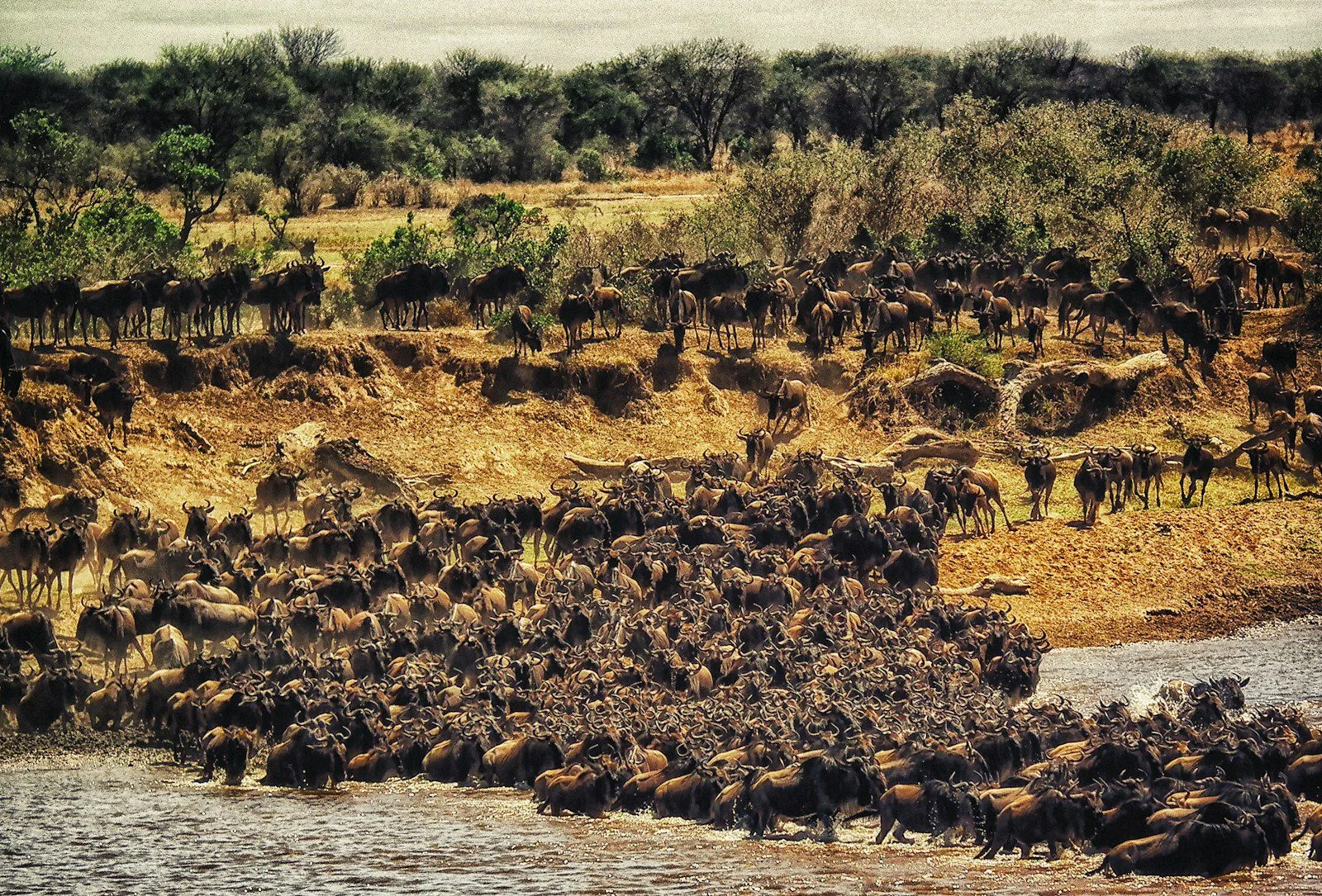
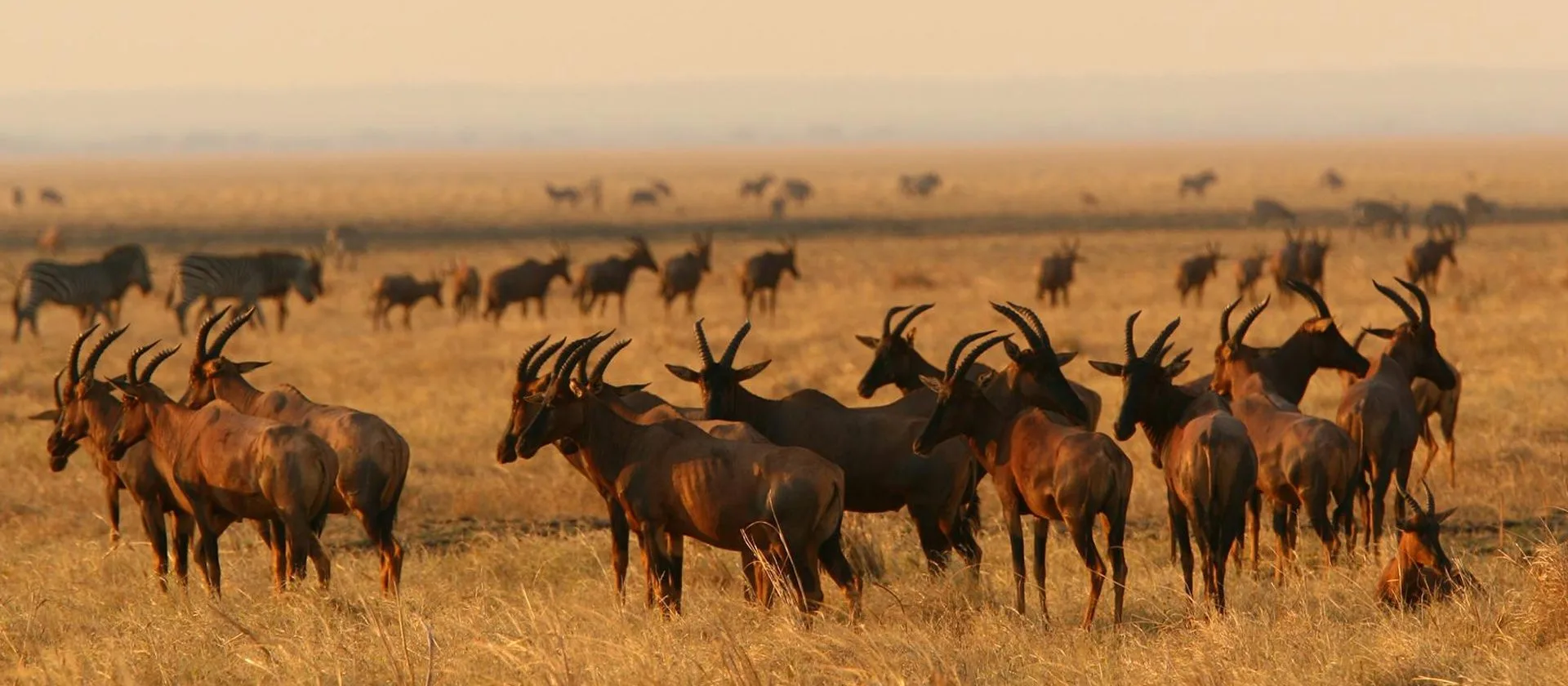
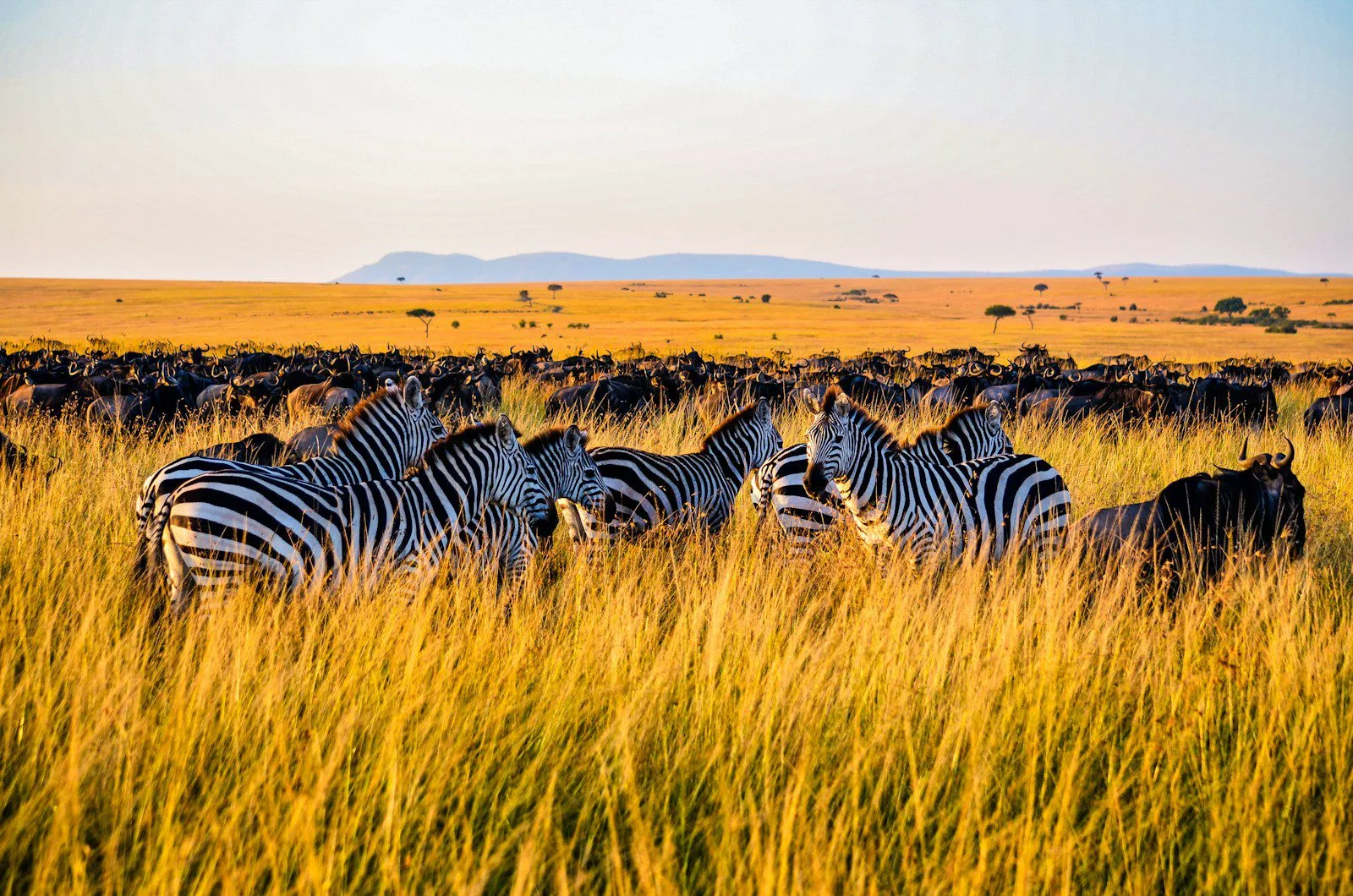
Timing your trip around the calendar rather than convenience alone also reduces your footprint. The parks are busiest — and most strained — during the July-to-October dry season and the calving months of January to March, when vehicle density around prime sightings like river crossings can turn a wildlife encounter into a traffic jam. Traveling in the so-called green season, from November to May, spreads visitor pressure more evenly, costs less, and rewards you with dramatically fewer vehicles at each sighting, lush landscapes, and newborn animals across the plains. It is also, not coincidentally, when many conservancies most need revenue, since the migration itself has moved elsewhere.
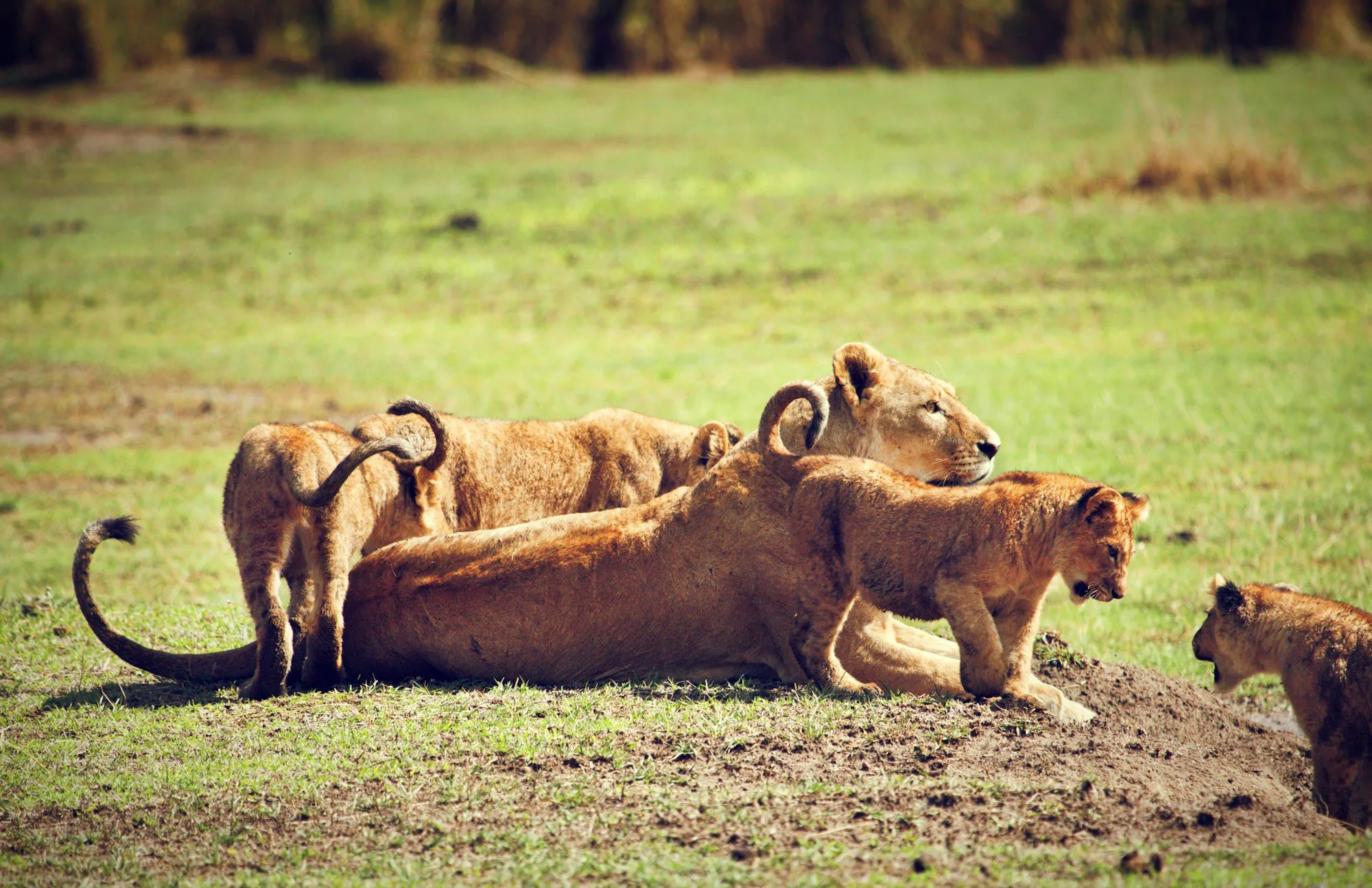
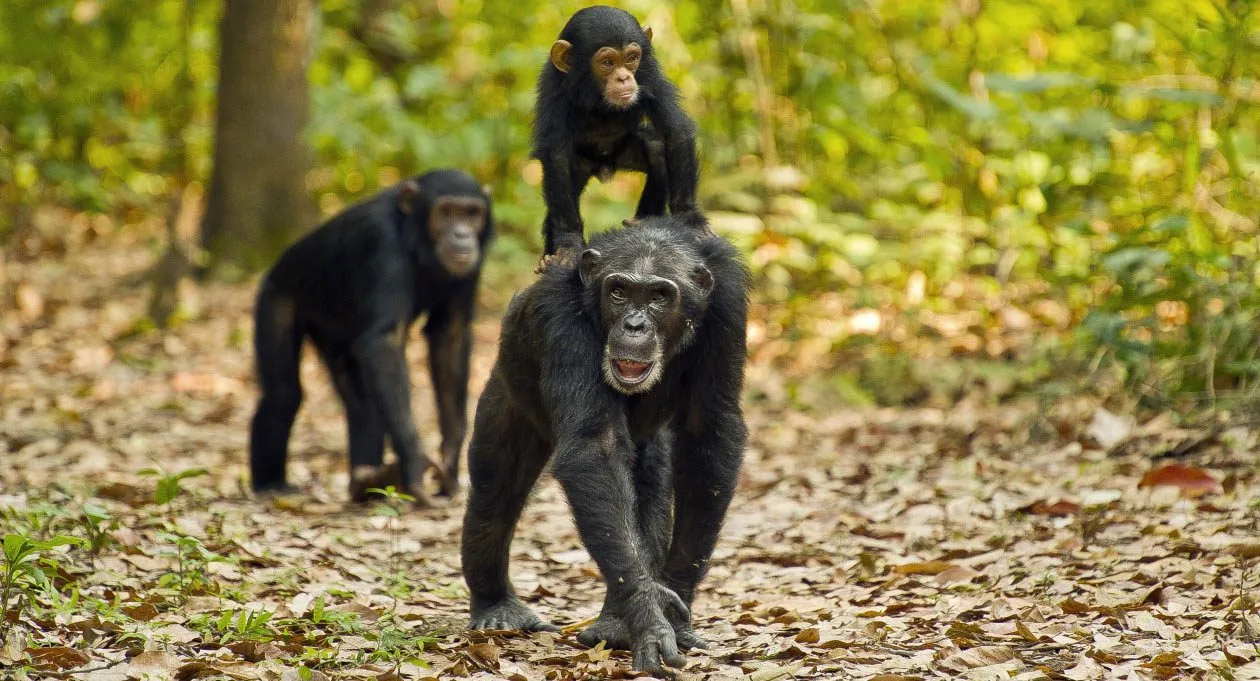
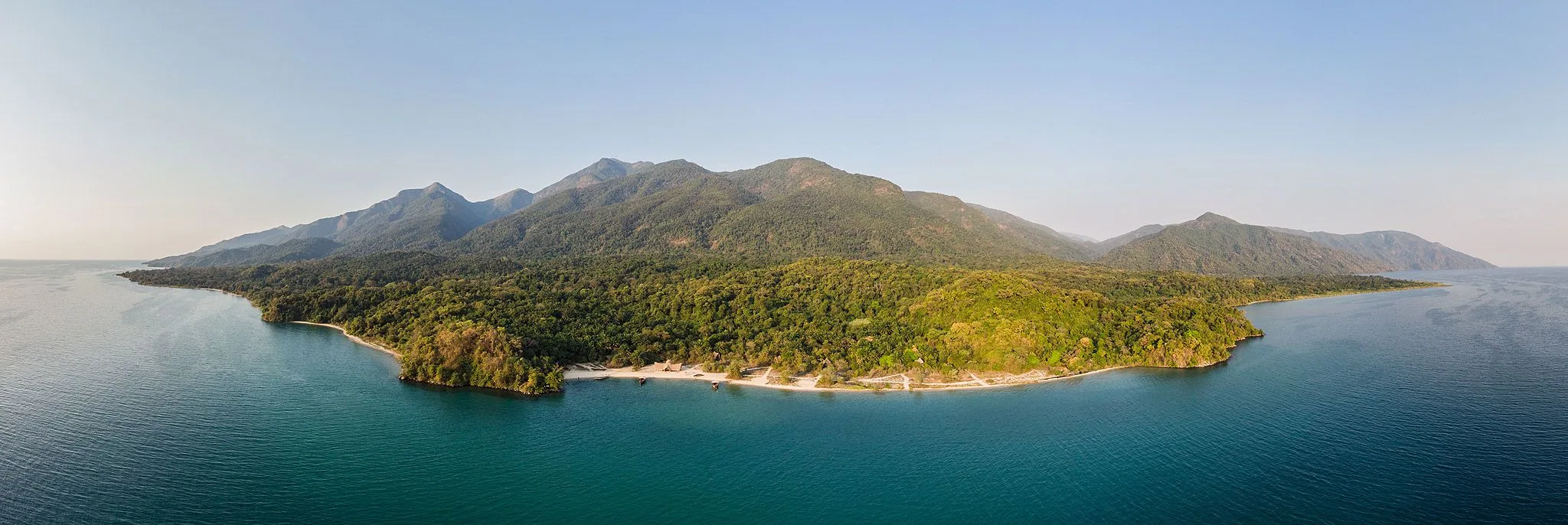
Where you go matters as much as when. The Serengeti and Ngorongoro Crater are extraordinary and deserve their fame, but Tanzania's less-visited protected areas carry real conservation weight precisely because they receive fewer visitors and often need the income more. Ruaha National Park, the country's largest, holds one of East Africa's most significant lion populations and a stable pack of endangered African wild dogs, yet sees a fraction of Serengeti's traffic. Nyerere National Park (the former Selous Game Reserve) offers boat safaris along the Rufiji River in addition to game drives, spreading demand across a completely different kind of landscape. The Mahale Mountains, reachable only by boat or light aircraft, protect wild chimpanzees and generate almost all local income from the handful of low-impact camps permitted to operate there. Spreading your itinerary across two or three of these parks instead of concentrating solely on the northern circuit distributes tourism revenue to communities that rarely see it and eases pressure on the most photographed corners of the country.
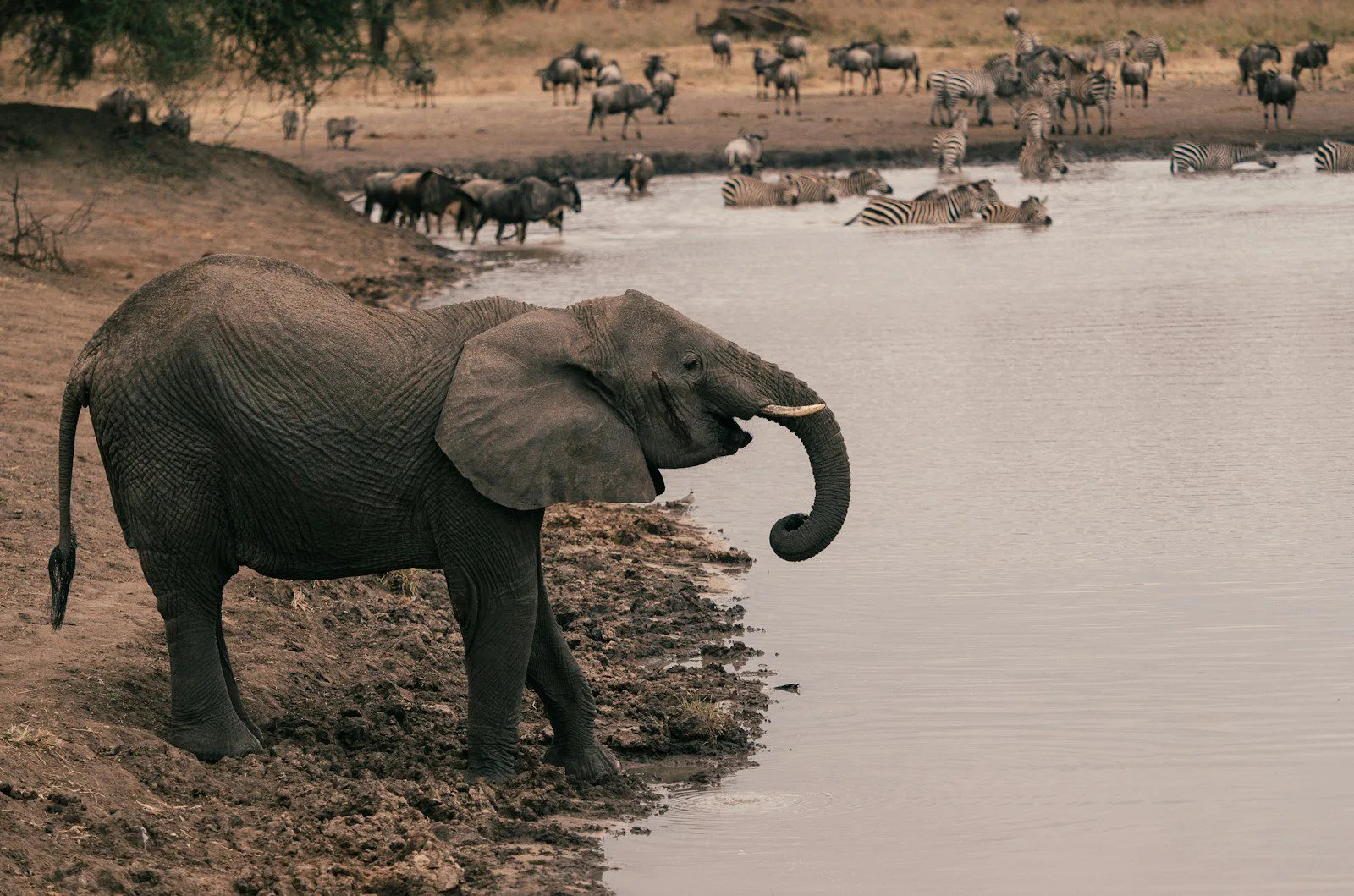
Sustainable travel extends past the vehicle and the camp fence, too. Packing reef-safe sunscreen and biodegradable toiletries protects the waterholes and rivers wildlife depends on. Refusing single-use plastic water bottles in favor of a reusable bottle and a camp's filtered-water station cuts one of the most persistent forms of bush litter. Buying beadwork, baskets, and carvings directly from community cooperatives rather than duty-free shops keeps more of that money with the artisans who made them. And resisting the urge to feed or approach wildlife for a closer photo — however tempting a curious jackal or a baboon near camp might make it — protects the animal as much as it protects you, since habituated wildlife often ends up in conflict with people.
None of this requires roughing it. Some of the most committed conservation properties in Tanzania are also among its most comfortable, with private plunge pools, expert guiding, and cuisine that rivals any city restaurant — proof that low-impact and low-comfort are not the same thing. What responsible travel actually asks of you is a bit more homework before you book: reading past the marketing copy, asking pointed questions of your operator, and weighing a camp's community ties and conservation record alongside its thread count. Do that, and the safari you take won't just leave you with extraordinary photographs — it will leave the plains, the rivers, and the people who call them home a little better off than it found them.
Planning a trip with sustainability in mind is ultimately just planning a better trip. The parks that reward slow, low-density, well-guided travel are the same parks where you'll have your most memorable encounters — an unhurried hour watching a leopard in a fig tree, a dawn walk with a Maasai guide reading tracks in the dust, a chimpanzee trek through highland forest with no other vehicle in earshot. Eco-friendly safaris in Tanzania aren't a compromise on the experience. Chosen well, they're the version of the experience worth having.
