
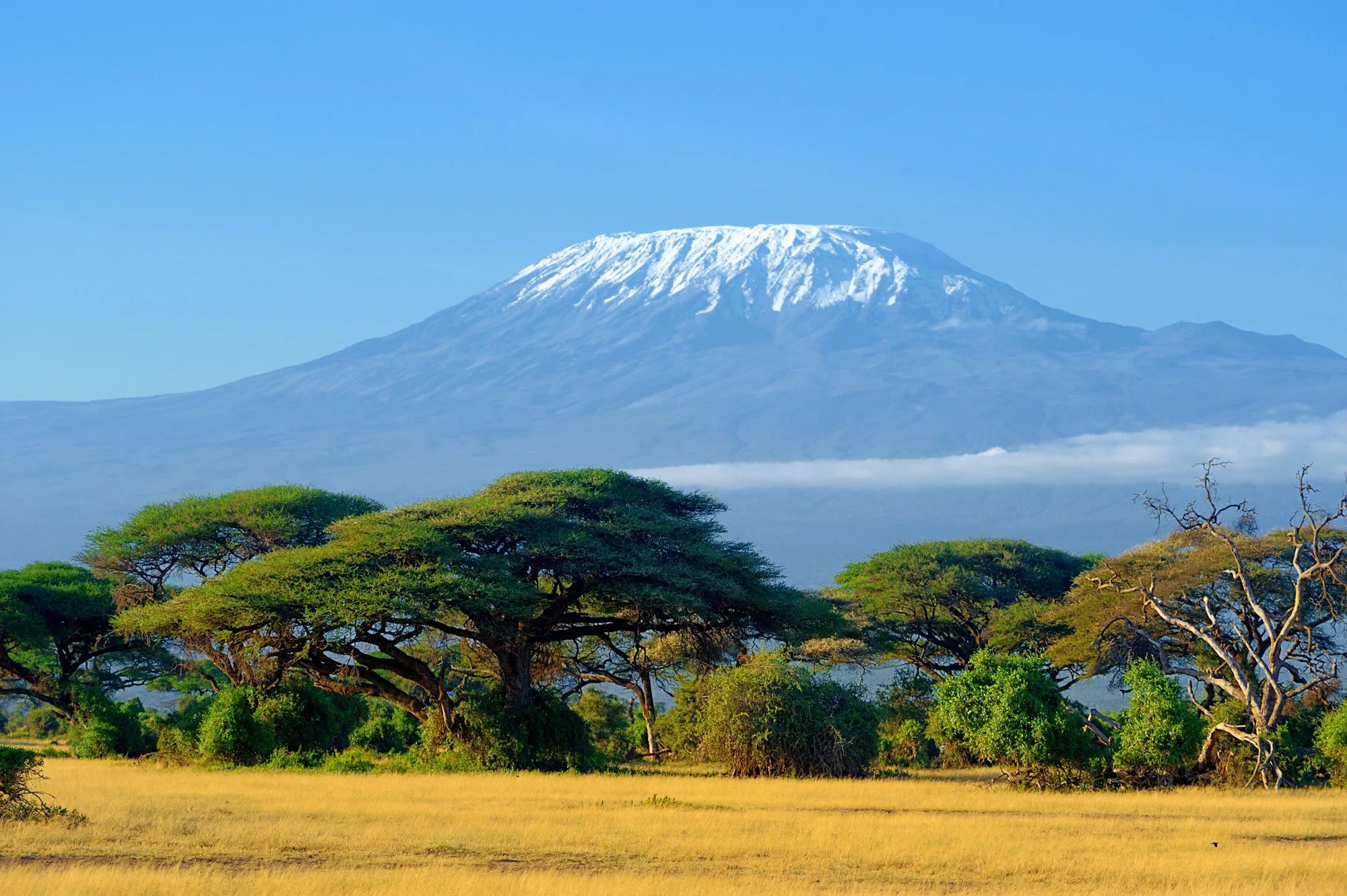
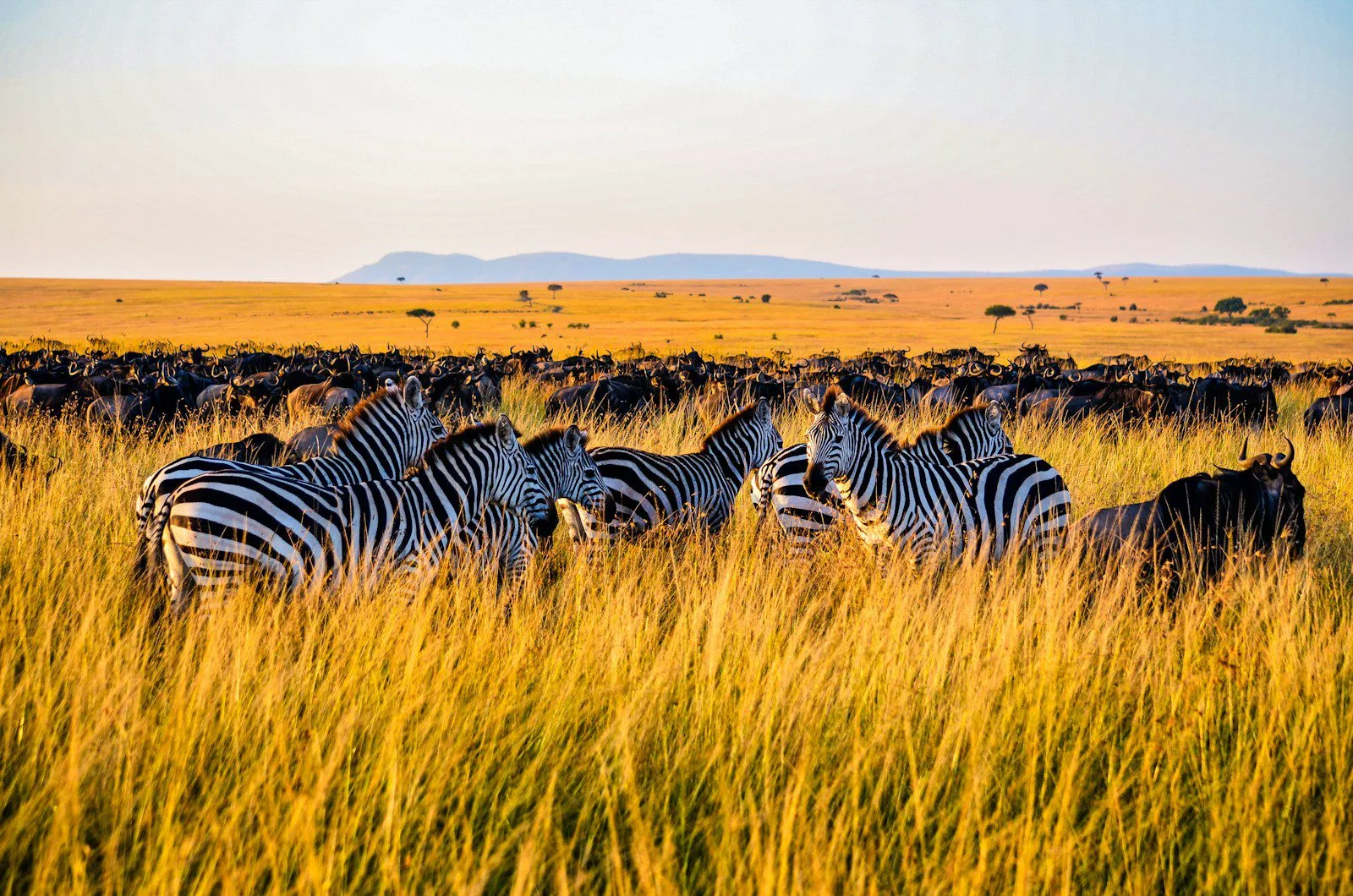
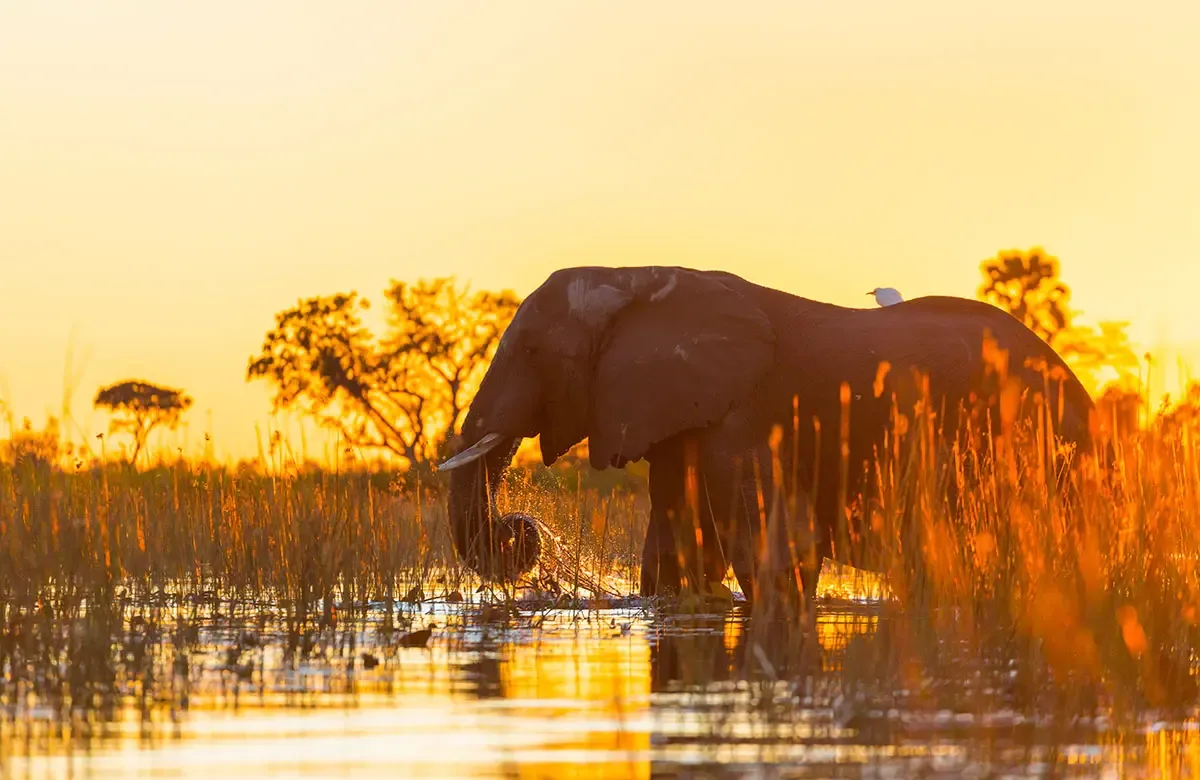
Tanzania rarely tops the shortlist when people think about Muslim-friendly destinations, yet it should. With roughly a third of the population practicing Islam — and Zanzibar alone approaching 95 percent Muslim — the country has spent generations building the everyday infrastructure that observant travelers look for: mosques within walking distance of hotels, halal butchers and restaurants that don't require special requests, and a general cultural fluency around prayer times, modest dress, and dietary restrictions. Combine that with some of the best wildlife viewing on the planet and the white-sand beaches of the Zanzibar archipelago, and you have a destination that lets you keep your practice intact while still chasing the safari-and-spice-island trip of a lifetime.
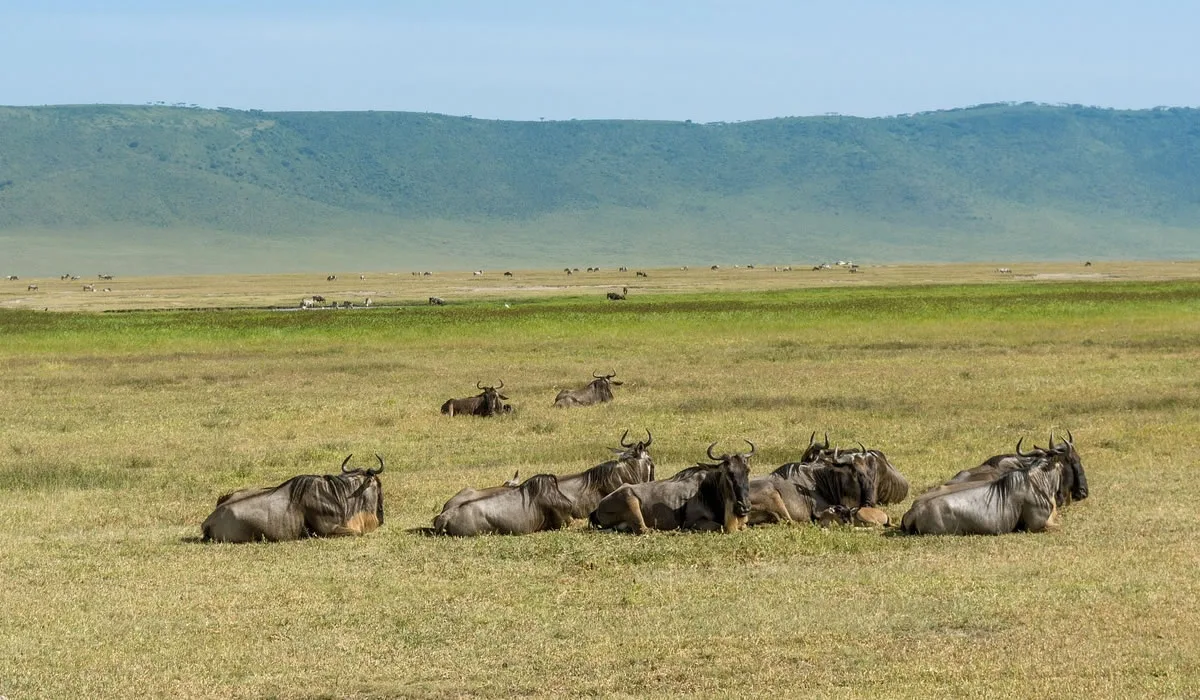
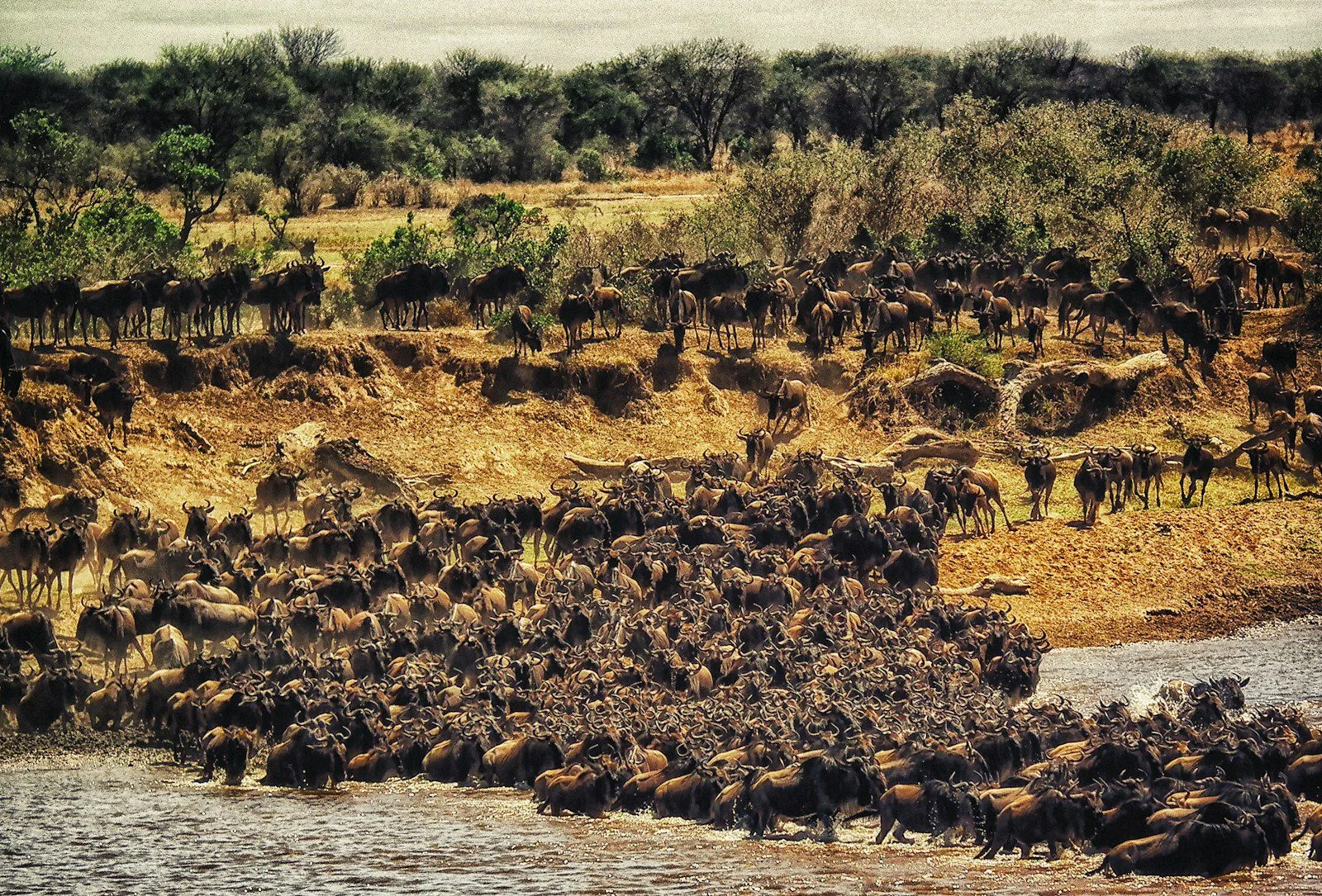
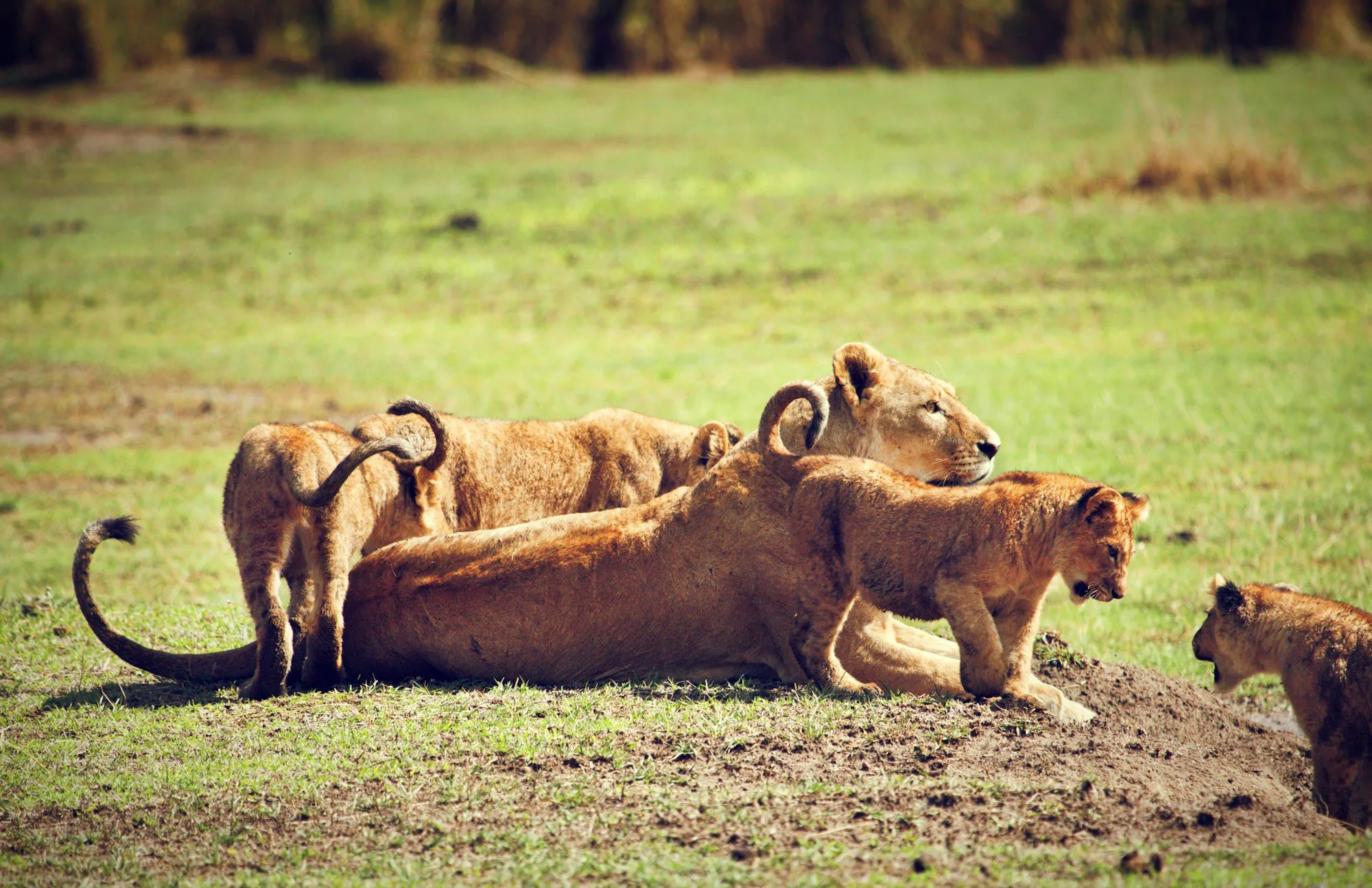
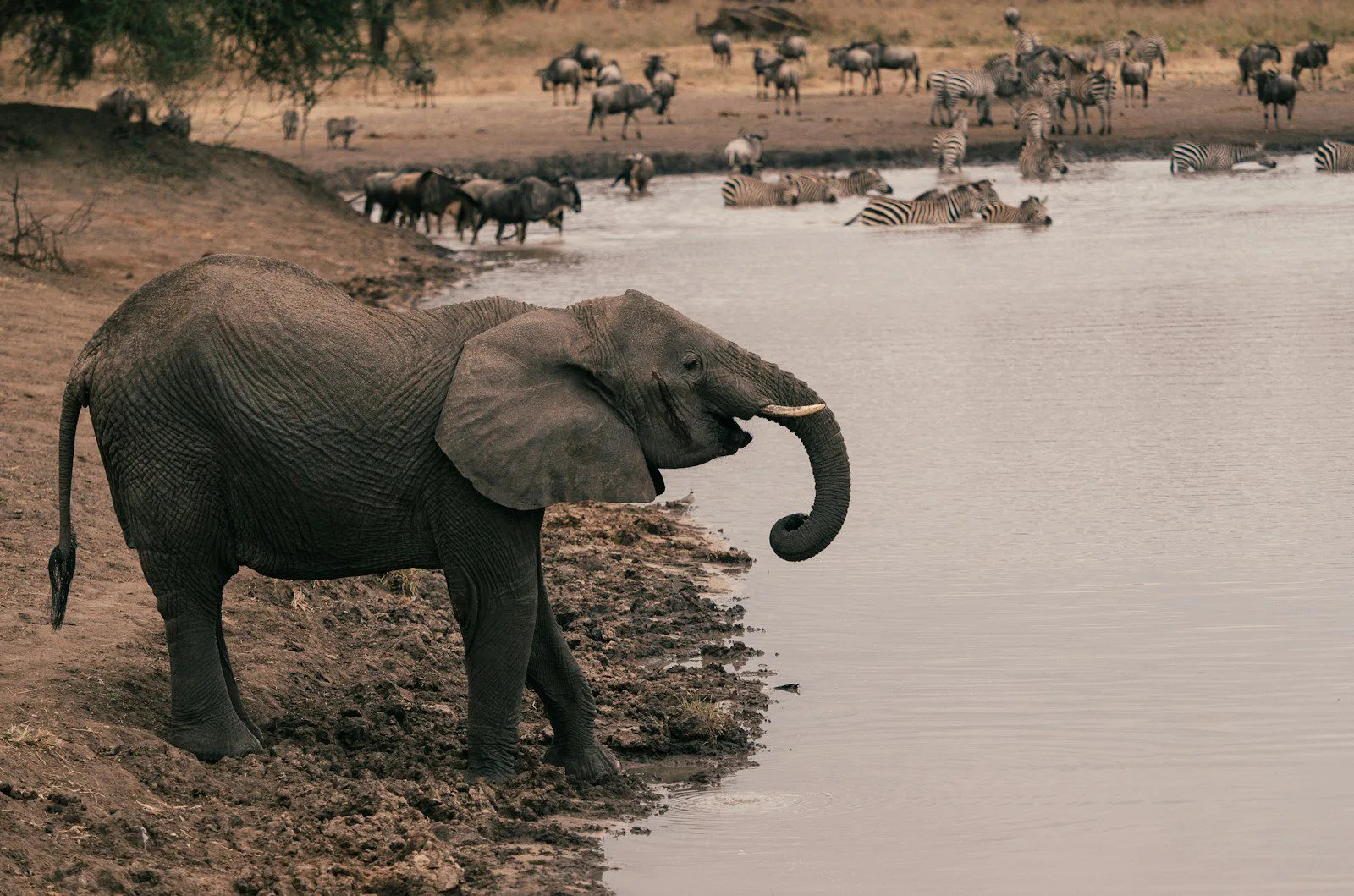
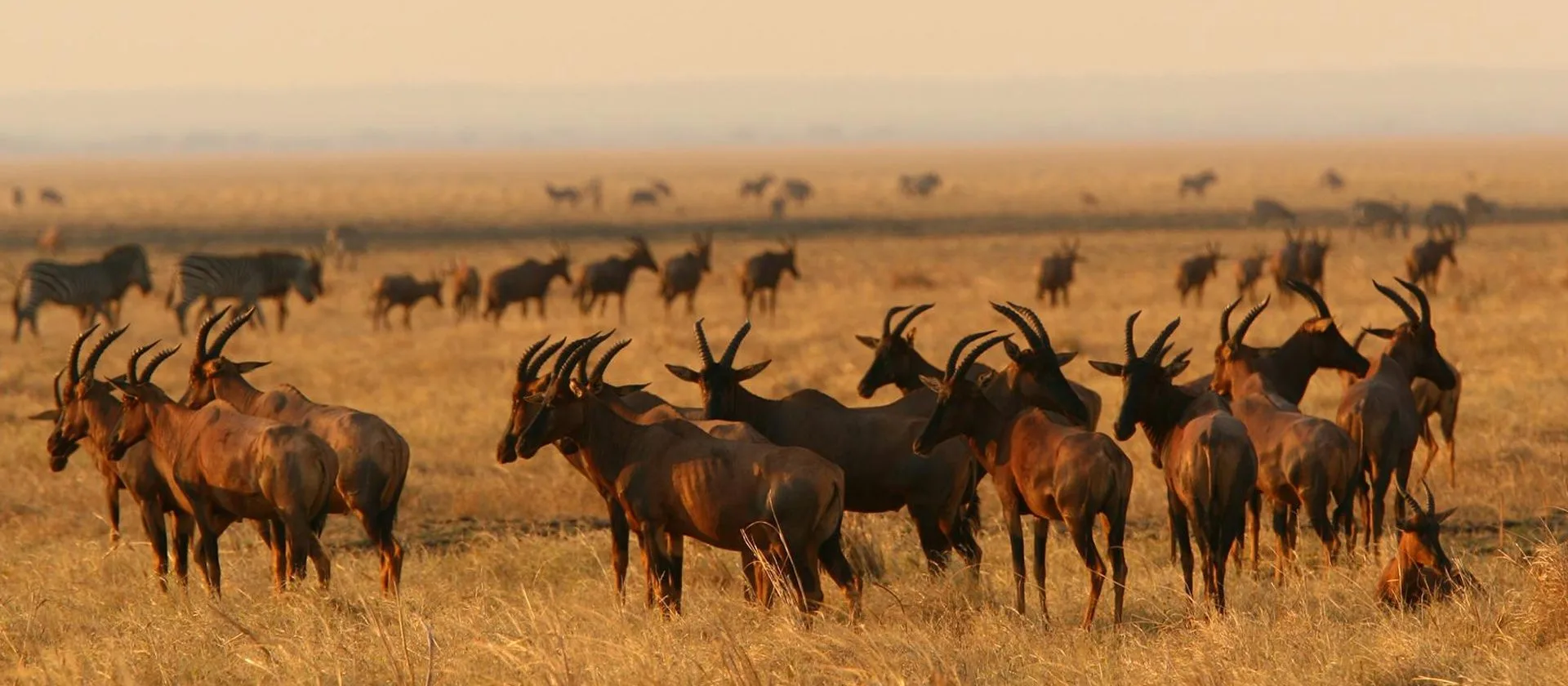
The safari circuit itself is more accommodating than most first-time visitors expect. Halal meals are not a niche request at camps and lodges around the Serengeti, Ngorongoro Crater, Tarangire, and Lake Manyara — most kitchens will prepare them without fuss as long as you flag the requirement when booking, ideally through a tour operator who already has a relationship with the property. Private game drives, which many families book anyway for comfort, also solve the logistics of prayer: your guide can simply pull over at a scenic, shaded spot for salah rather than working around a shared group's schedule. It's worth packing a compact travel prayer mat and a qibla compass app, since signal in the parks is patchy and you'll want offline direction-finding.
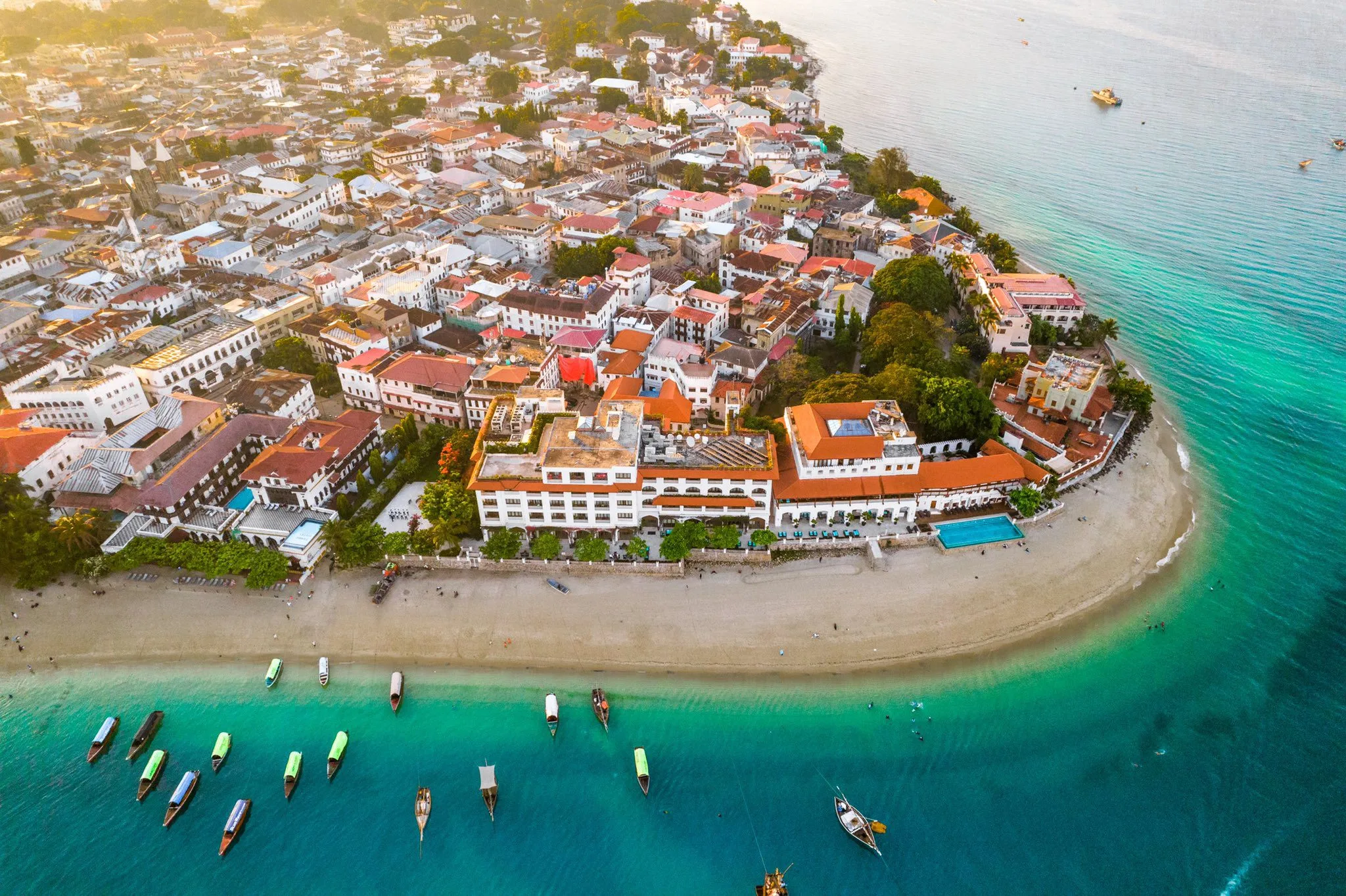
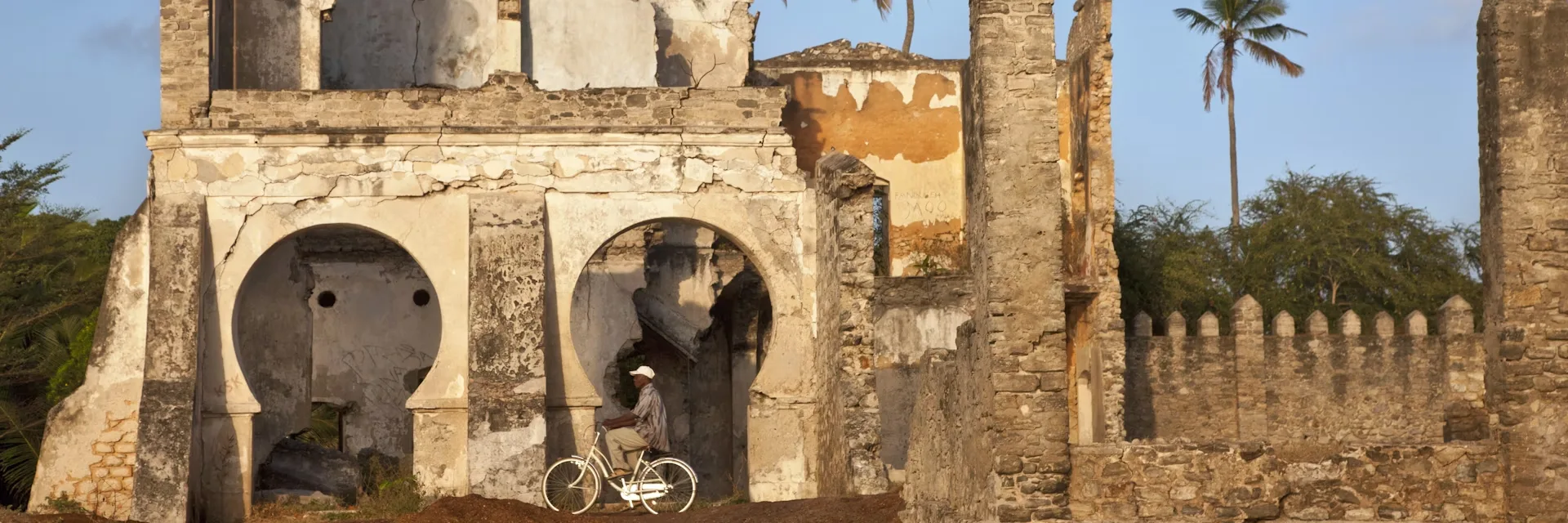
Zanzibar is where the halal-travel case for Tanzania really closes. Stone Town's alleys are dotted with mosques dating back centuries, including the Malindi Mosque, one of the oldest on the East African coast, and the island's food culture runs on halal by default rather than by exception — the Forodhani Gardens night market, Zanzibar pizza stalls, and seafood grills along the coast rarely require you to ask twice. Beyond the capital, villages like Kizimkazi hold their own historic mosques and a slower, more traditional rhythm of daily life. For travelers who want their faith woven into the destination itself rather than accommodated as an afterthought, Zanzibar delivers that in a way few other beach destinations can.
Tanzanian cuisine more broadly reflects centuries of trade between Africa, the Arabian Peninsula, and the Indian subcontinent, and that history shows up on the plate. Pilau and biryani are staples in coastal kitchens, mishkaki (grilled meat skewers) are the go-to street food, and seafood is abundant and simply prepared along the entire coastline. Inland, cities like Arusha and Dar es Salaam have well-established Swahili and Indian-influenced halal restaurants, and Kariakoo Market in Dar is a reliable spot for an authentic, budget-friendly meal. Most international hotel chains operating in Tanzania are used to halal requests, but it's still good practice to confirm with your operator before arrival, particularly for remote safari lodges that source ingredients locally and plan menus days in advance.
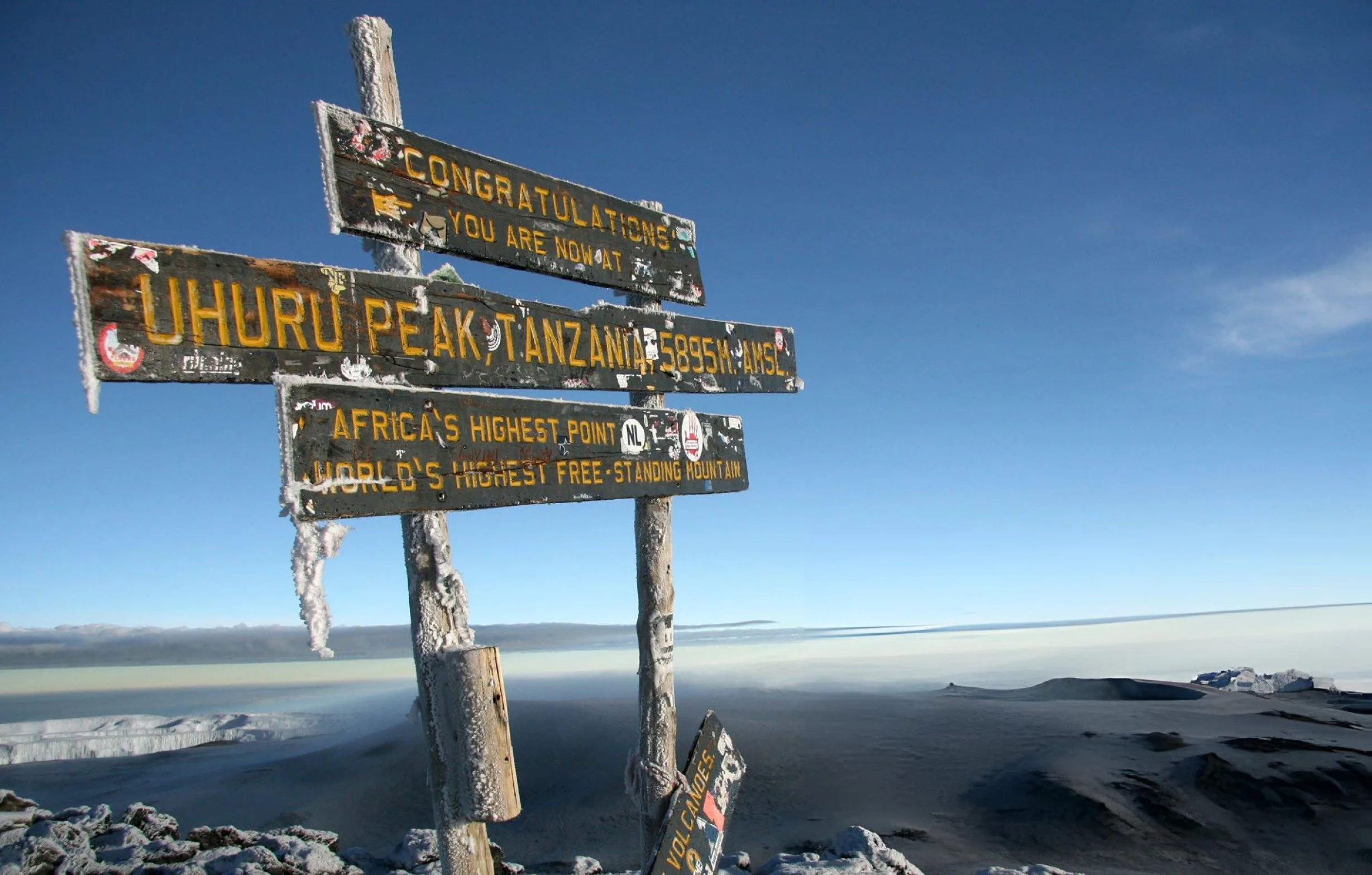
Prayer access away from the coast deserves a realistic note: national parks and remote bush camps don't have mosques, for the obvious reason that they're protected wilderness. What they do have is flexibility — drivers and guides are generally happy to build prayer stops into the day's schedule, and many camps will point out a quiet, clean space near your tent. In towns, it's a different story entirely. Arusha and Moshi, the two main gateway towns for both safaris and Kilimanjaro treks, have mosques serving both residents and visitors, and Dar es Salaam's Masjid Qiblatain is one of several well-known landmarks in the city. The takeaway is simple: plan around the wilderness days, and let the towns and coast take care of themselves.
Accommodation choices matter more for Muslim travelers than the average review site tends to acknowledge. On the coast, look for resorts that offer private beach sections or family villas with their own pools — this solves the modesty question for swimming without requiring a fully covered beach day, and it's increasingly common at Zanzibar's higher-end properties. Several resorts across the island have experience catering specifically to Gulf and broader Muslim clientele, including alcohol-free room and dining options on request. On safari, smaller owner-run camps are often more flexible than large chain properties simply because the kitchen and management are closer to the guest — worth asking your operator to prioritize when you're booking.
Beyond food and prayer, Tanzania offers a genuine cultural dimension to a halal trip rather than a purely logistical one. Zanzibar's spice plantation tours trace the island's Omani and Indian trading history, guided walks through Stone Town cover centuries of Swahili-Islamic architecture, and Bagamoyo on the mainland — once a major hub of the East African trade routes — has its own layer of Islamic heritage worth a half-day detour. Private dhow cruises at sunset are widely available and easy to book without alcohol service, and the Usambara Mountains offer a cooler, quieter hiking alternative for travelers who want a break from both the savannah heat and the beach crowds.
Putting a trip together comes down to a handful of practical habits: book through an operator who has actually arranged halal-friendly trips before rather than one improvising on your behalf, request halal meals and any dietary needs in writing at the time of booking (not on arrival), and build in slack around prayer times rather than treating them as an interruption to a tight itinerary. Modest dress is appreciated island-wide, particularly away from private resort beaches, and it rarely conflicts with safari or hiking gear anyway — breathable long layers work for both purposes.
A workable structure for a first visit runs about ten days: two days in Dar es Salaam or straight through to Arusha to settle in and visit local mosques and markets, three to four days on safari across the northern circuit (Serengeti, Ngorongoro, Tarangire) with halal meals pre-arranged, then a flight to Zanzibar for the back half of the trip — beaches, Stone Town, spice tours, and a final day for shopping before departure. It's an itinerary that gives equal weight to wildlife, faith, and rest, and it's flexible enough to compress into a week or stretch into two depending on how much time you want on the coast versus in the bush. Tanzania's real advantage for Muslim travelers isn't a single standout feature — it's that halal dining, prayer access, and cultural familiarity are already built into daily life across most of the country, which means less improvising and more actual trip.