12-Day Safari and Beach Adventure with a Touch of Modernity
Experience the ultimate 12-day Tanzania journey blending thrilling wildlife safaris in Arusha National Park, Tarangire, …
By Category
Popular Destinations
Not Sure Where to Start?
Let us craft a bespoke itinerary based on your interests, budget, and travel dates.
Climbing Routes

Machame Route
Whiskey Route
Resources
Explore Tanzania
Discover More
All Destinations →From the endless plains of the Serengeti to the spice islands of Zanzibar.
Overview
Why You'll Love This Safari
Tour Route
Your Journey
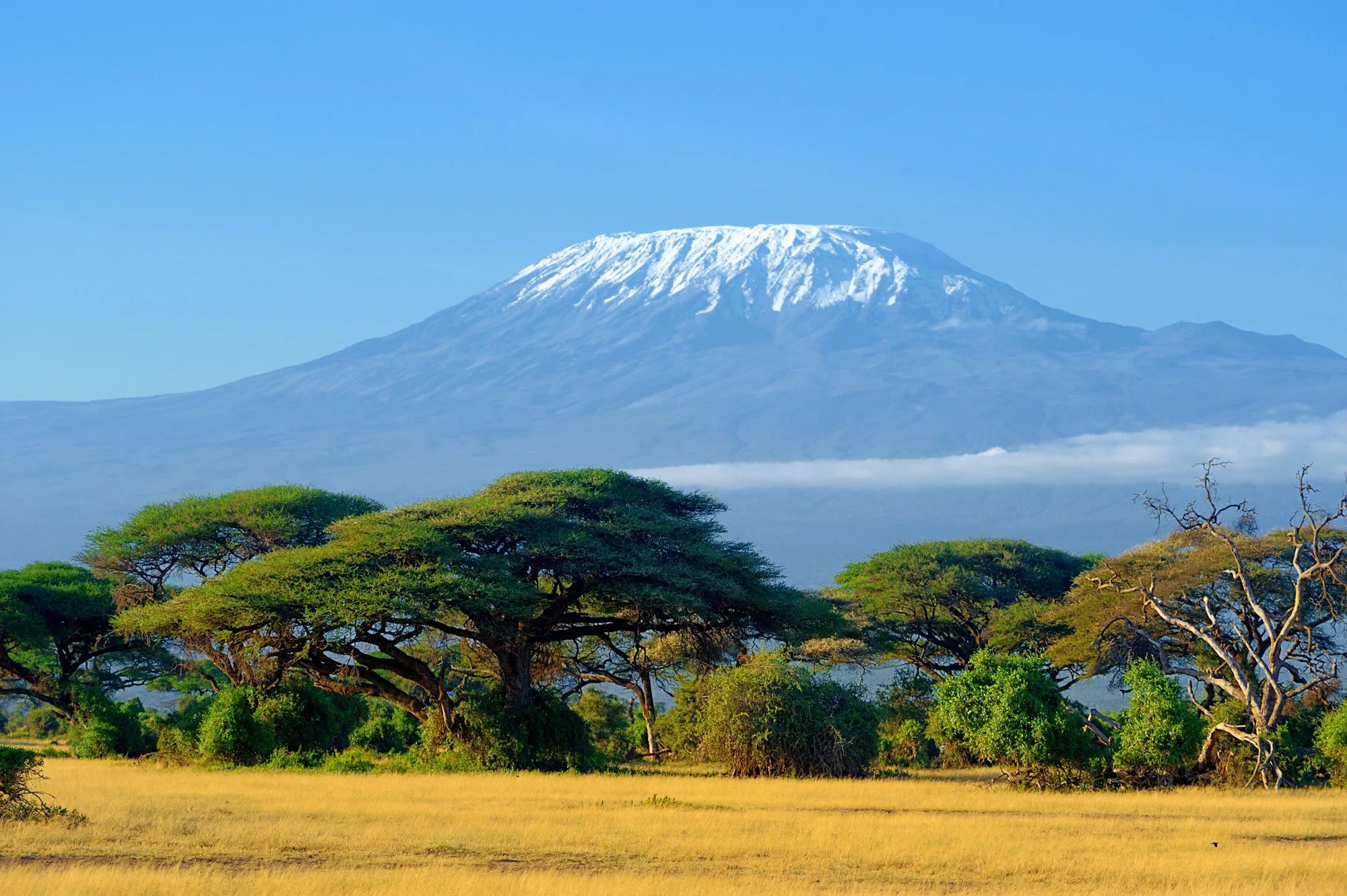
Your 9-day Tanzania wilderness and beach adventure begins with your arrival at Kilimanjaro International Airport, where our team welcomes you with a warm Karibu and a cold towel after your flight. A private transfer brings you to your hotel in Arusha, the safari capital of East Africa, nestled at the foot of the volcanic Mount Meru at 1,400 meters elevation. After settling into your room, you meet your dedicated safari guide for a comprehensive briefing covering the week ahead, from waterfall hikes and game drives to flamingo-lined alkaline lakes and the pristine beaches of Zanzibar. Your guide shares current wildlife conditions, weather expectations, and practical tips for the diverse environments you will encounter. If you arrive early enough, take a stroll through the hotel gardens where resident birds including superb starlings, tropical boubous, and speckled mousebirds offer a gentle introduction to Tanzania's remarkable avian diversity. A welcome dinner features locally sourced Tanzanian cuisine including nyama choma and fresh tropical fruit, setting the tone for the authentic experiences that lie ahead. Rest well tonight in the cool highland air, because tomorrow you lace up your hiking boots and step into the wilderness.
After an early breakfast, you depart Arusha and drive north through rolling farmland toward the Napuru Waterfalls, one of northern Tanzania's hidden natural treasures. The drive passes through vibrant rural communities where Meru and Arusha people tend coffee plantations and banana groves against a backdrop of Mount Meru's forested slopes. Arriving at the trailhead, your guide leads you along a footpath that winds through dense tropical forest alive with birdsong, the calls of silvery-cheeked hornbills and Hartlaub's turacos echoing through the canopy overhead. The trail follows a stream bed upstream, crossing small wooden bridges and passing pools where local children swim during the heat of the day. The forest floor is carpeted with ferns and moss, and colobus monkeys crash through the treetops in black-and-white flashes. After approximately ninety minutes of moderate hiking, the forest opens to reveal the Napuru Waterfalls, a stunning cascade plunging over volcanic rock into a crystal-clear pool surrounded by mist-dampened vegetation. You have time to swim in the pool, photograph the falls from multiple angles, and enjoy a packed picnic lunch in this pristine setting. The return hike follows a different route through coffee farms, where your guide explains traditional cultivation methods. You return to Arusha in the late afternoon with tired legs and a memory of Tanzania that exists far beyond any guidebook.
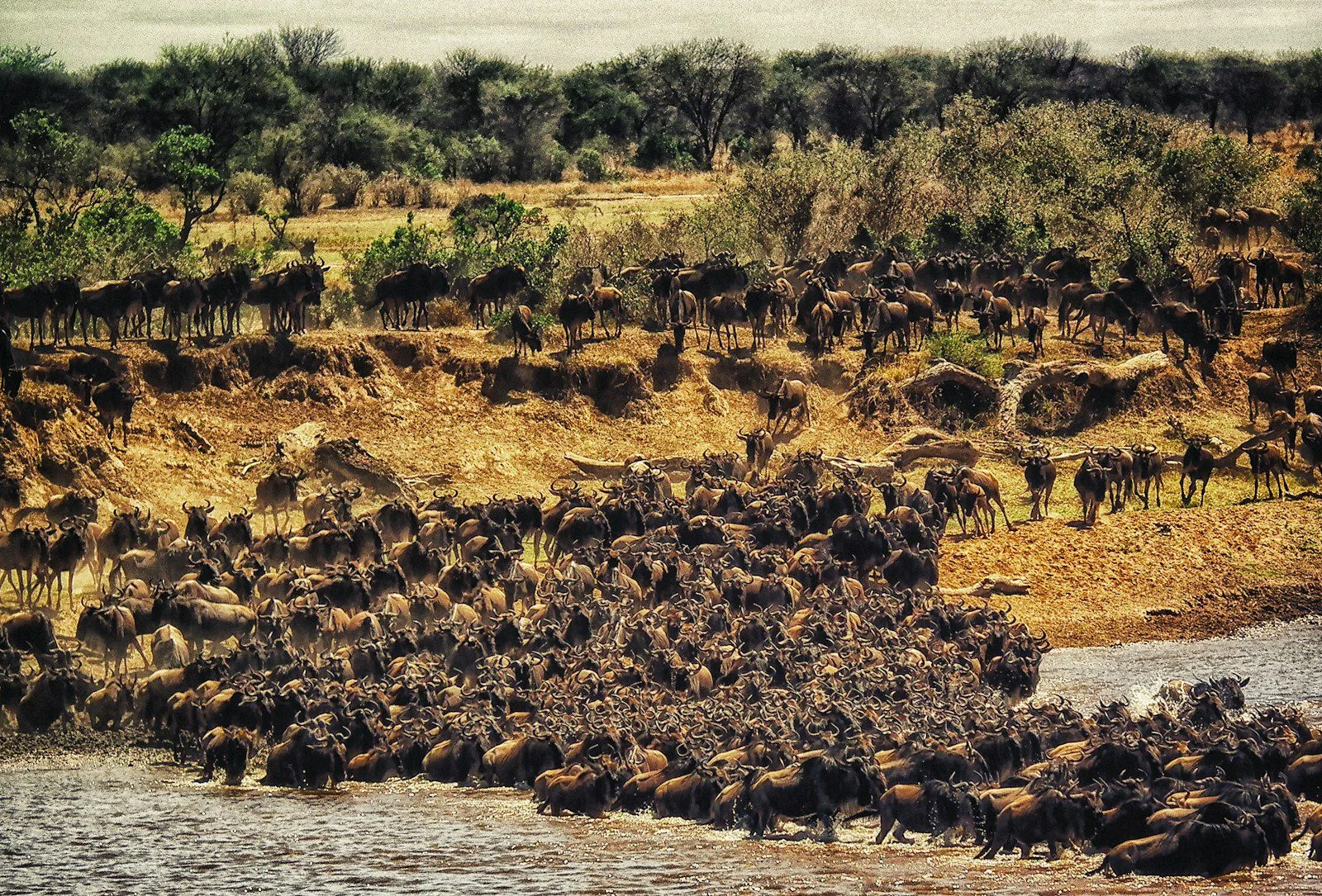
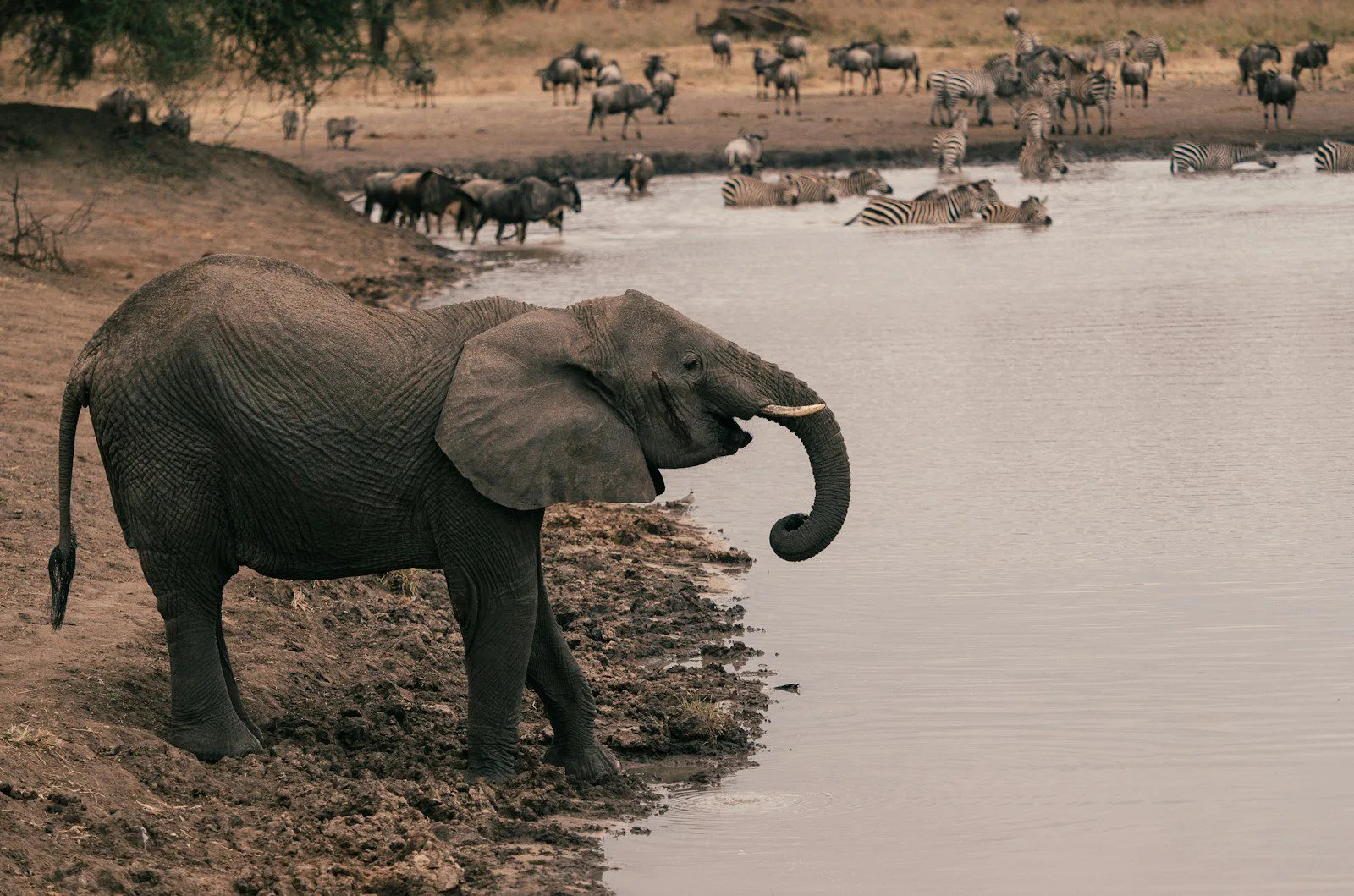
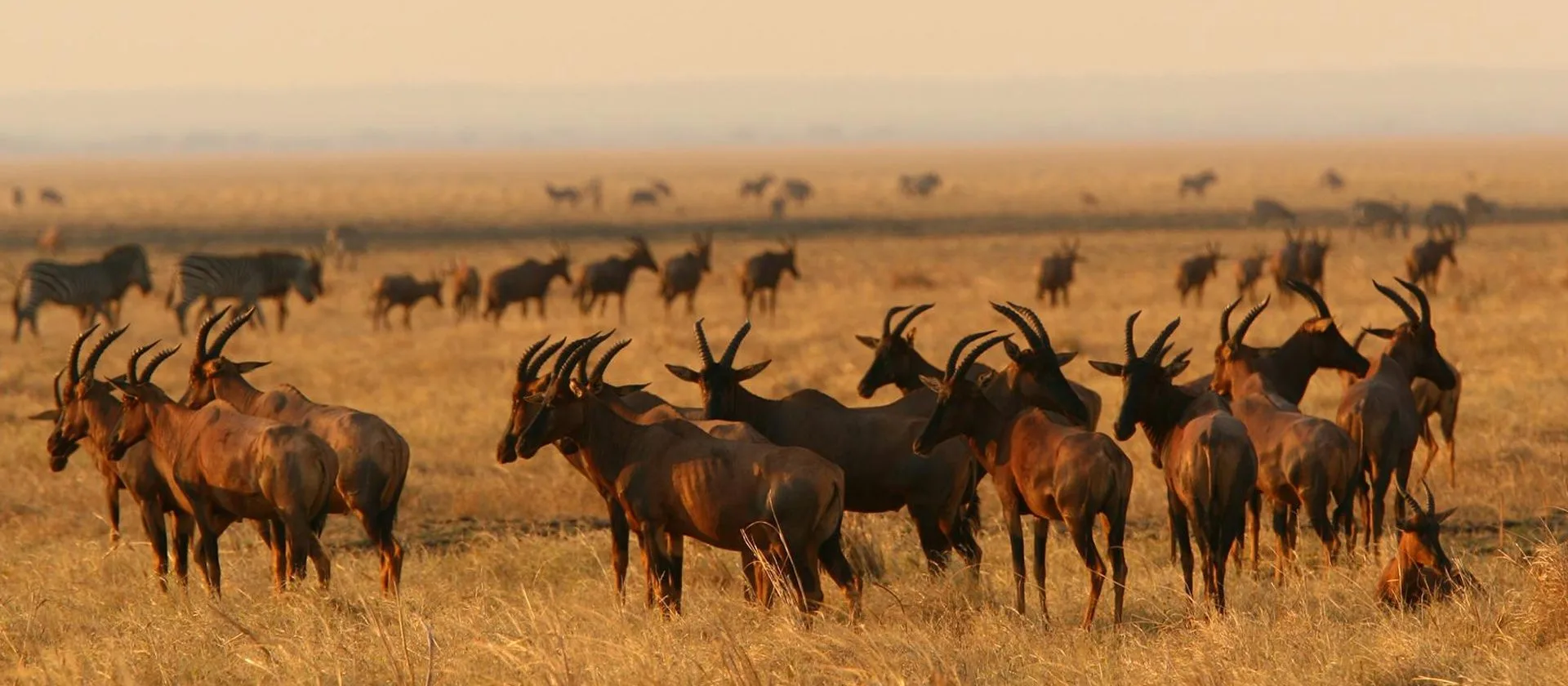
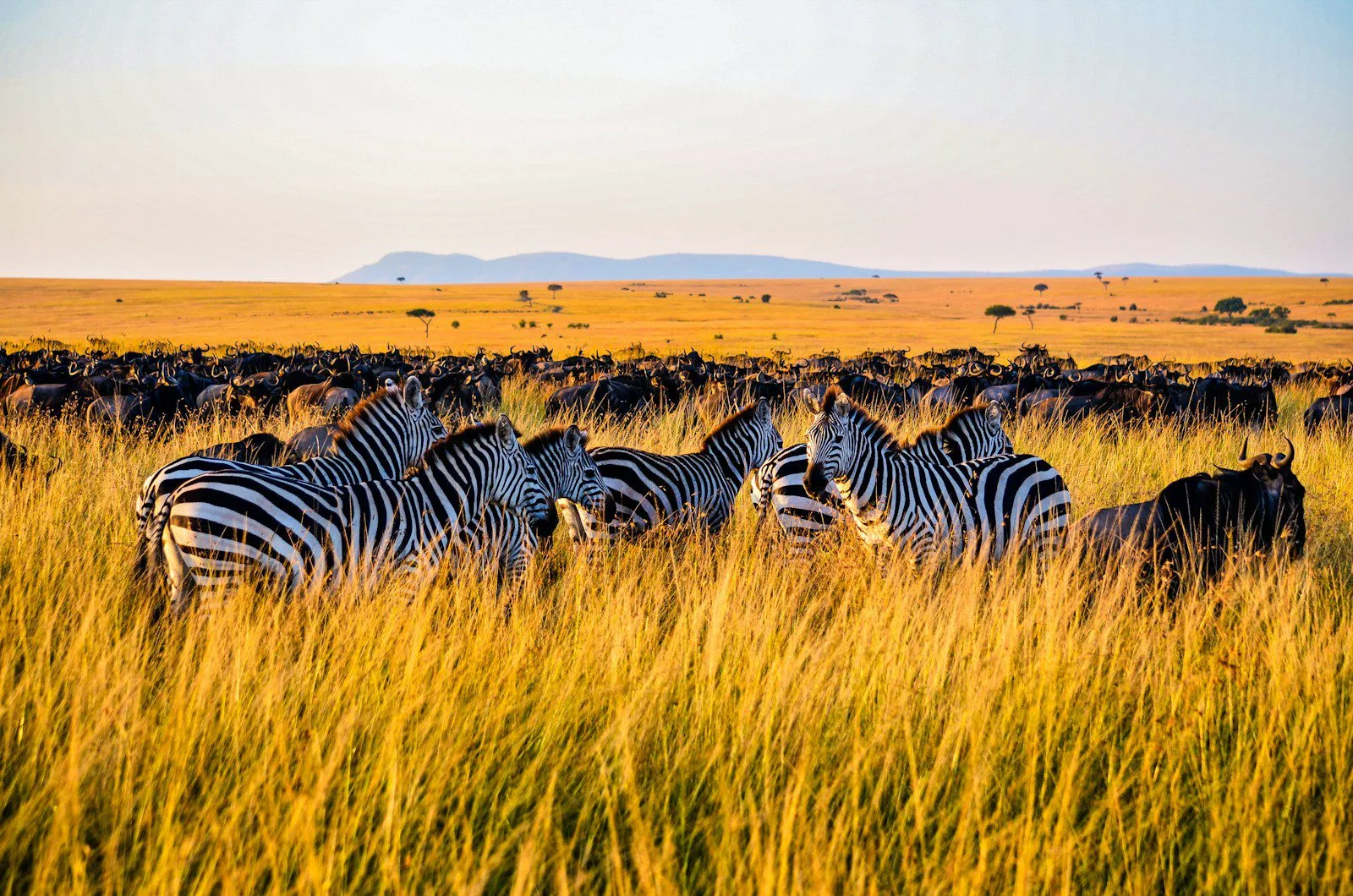
Today you enter Tarangire National Park, a 2,850-square-kilometer reserve that veteran safari guides consider one of Tanzania's most underrated wildlife destinations. The drive from Arusha takes approximately two hours, passing through Maasai steppe dotted with termite mounds and grazing cattle before the park's massive baobab trees announce your arrival. Tarangire is defined by its namesake river, a lifeline that draws extraordinary concentrations of wildlife during the dry season. Elephant herds in Tarangire are among the largest in East Africa, with family groups sometimes numbering over 300 individuals gathering along the river banks to drink and bathe in the muddy shallows. Your game drive follows the river course, pausing for close encounters with giraffe browsing acacia tops, zebra and wildebeest herds covering the floodplains, and the park's signature tree-climbing lions resting in the branches of sausage trees. The birdlife is exceptional, with over 550 species recorded, including yellow-collared lovebirds found nowhere else on Earth. Tarangire's ancient baobab trees, some estimated at over a thousand years old, create a landscape unlike any other park in Tanzania, their massive trunks standing like living fossils from a primordial era. An afternoon game drive explores the southern sections where lesser kudu and fringe-eared oryx hide in the dense bush. As the golden afternoon light filters through the baobab canopy, you understand why this park has earned its reputation as the place where the origin of life feels tangible.
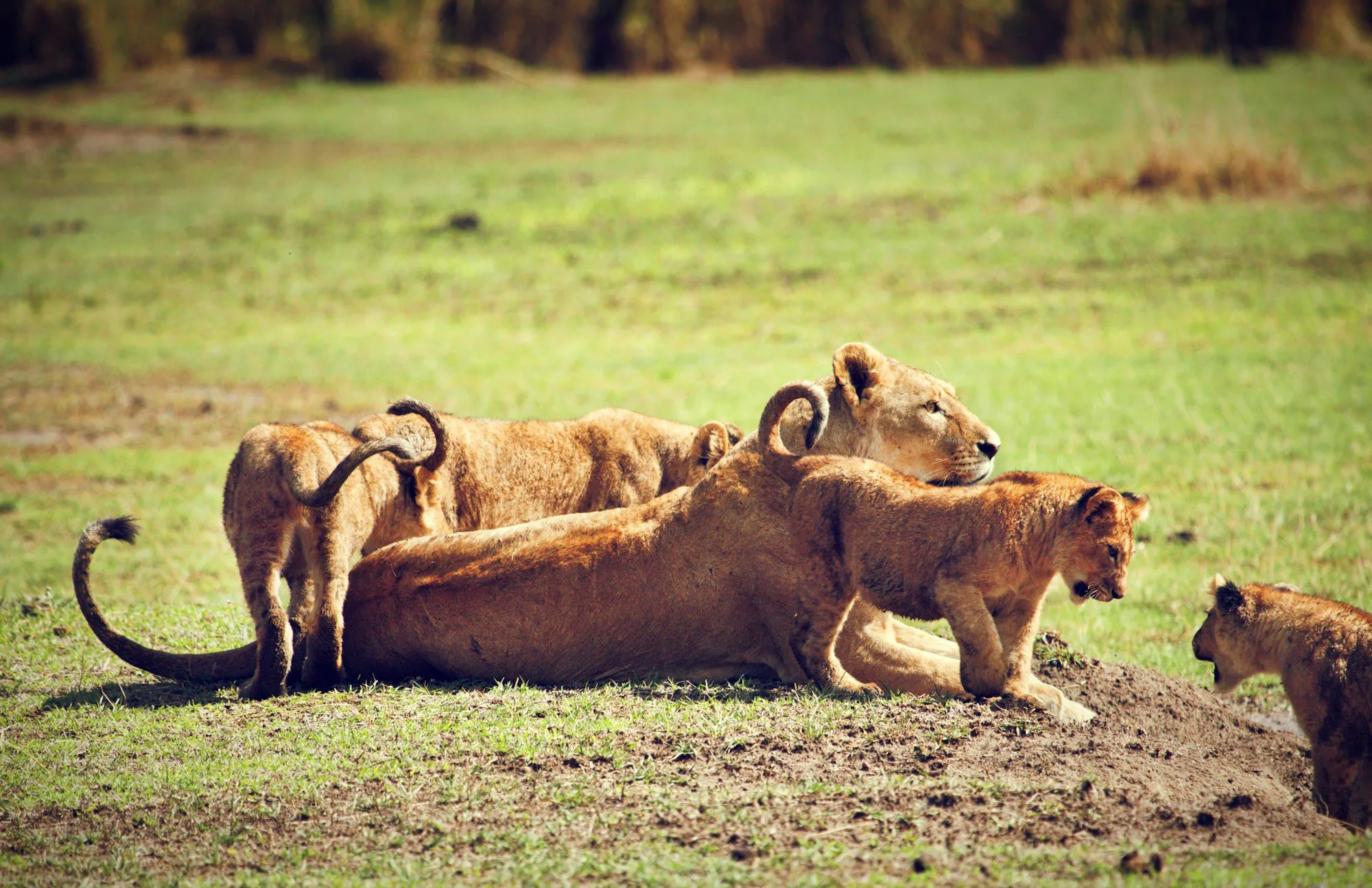
An early departure takes you westward from Tarangire toward the Ngorongoro Conservation Area, ascending through the highland forest to the crater rim at 2,350 meters above sea level. The first view into the Ngorongoro Crater is one of Africa's most breathtaking moments: a vast caldera stretching 19 kilometers across, its walls rising 600 meters above the floor, enclosing a complete ecosystem that supports approximately 25,000 large animals. Your vehicle descends the steep crater wall, and game viewing begins immediately on the crater floor. The grasslands are dotted with lion prides, some numbering over 15 individuals, their dark manes distinctive to this isolated population. The endangered black rhinoceros is the crater's most prized resident, with a small but visible population grazing on the open plain. Large-tusked bull elephants roam between the Lerai Forest and the grassland, some carrying ivory nearly touching the ground. Lake Magadi, the shallow alkaline lake at the crater center, attracts flocks of flamingos whose pink reflections shimmer in the midday light. Spotted hyena clans patrol with confidence as the crater's apex scavengers. A picnic lunch on the crater floor allows time to absorb the magnitude of this natural amphitheater. The afternoon drive continues through different sectors, searching for buffalo herds, hippo pools, and the elusive serval cat that hunts in the tall grass. Ascending the crater wall in late afternoon light, you arrive at your lodge on the rim with panoramic views into the caldera as sunset paints the western wall in shades of amber and purple.
Today you leave the highland forests behind and descend into one of East Africa's most surreal landscapes as you drive north toward Lake Natron. The route follows the Great Rift Valley escarpment, passing through Maasai grazing lands where red-robed herders move their cattle across golden plains that stretch to the horizon. As the elevation drops, the air grows hotter and the vegetation thins to scrubby acacia until the first glimpse of Lake Natron appears, a shimmering alkaline expanse tinged red and orange by cyanobacteria and mineral deposits. Lake Natron is the sole breeding ground for approximately 2.5 million lesser flamingos in East Africa, making it one of the continent's most critical avian habitats. The lake's extreme alkalinity, with a pH approaching 12, creates conditions too hostile for most predators but ideal for the flamingos that filter microscopic algae from the caustic water. The active volcano Ol Doinyo Lengai, meaning "Mountain of God" in the Maasai language, rises dramatically from the lake's southern shore. It is the world's only active carbonatite volcano, erupting cool black lava unlike any other volcano on Earth. An afternoon walk along the lakeshore brings you close to the flamingo breeding colonies, their pink masses transforming the water's edge into a living mural. The sunset over Lake Natron with Ol Doinyo Lengai silhouetted against the fiery sky is among the most photographed scenes in Tanzania. Your camp sits above the lake with unobstructed views of this otherworldly landscape.
The drive south from Lake Natron to Lake Eyasi takes you through some of Tanzania's most remote and varied terrain, crossing the Rift Valley floor and ascending into the Mbulu Highlands before descending to the shallow, seasonal lake that has sustained human communities for tens of thousands of years. Lake Eyasi is home to the Hadzabe, one of the last remaining hunter-gatherer communities in Africa and one of the oldest lineages of modern humans. Numbering fewer than 1,300 individuals, the Hadzabe live without agriculture, livestock, or permanent structures, subsisting entirely on wild game hunted with handmade bows and arrows, tubers dug from the bush, and baobab fruit gathered from the forest. At dawn the following morning you join a small group of Hadzabe men on their morning hunt, moving through the bush in near silence as they track birds and small game with a skill refined over millennia. The experience is profoundly humbling, a direct connection to the way all of humanity once lived before the agricultural revolution. Later you visit the Datoga people, semi-nomadic pastoralists and renowned blacksmiths who forge arrowheads, knives, and jewelry from recycled metal using techniques unchanged for centuries. Their women wear elaborate beaded jewelry and distinctive facial scarification patterns that mark clan identity. The cultural exchanges at Lake Eyasi are not performances arranged for tourists but genuine interactions with communities continuing ancient ways of life in the modern world. You depart in the afternoon and return to Arusha.
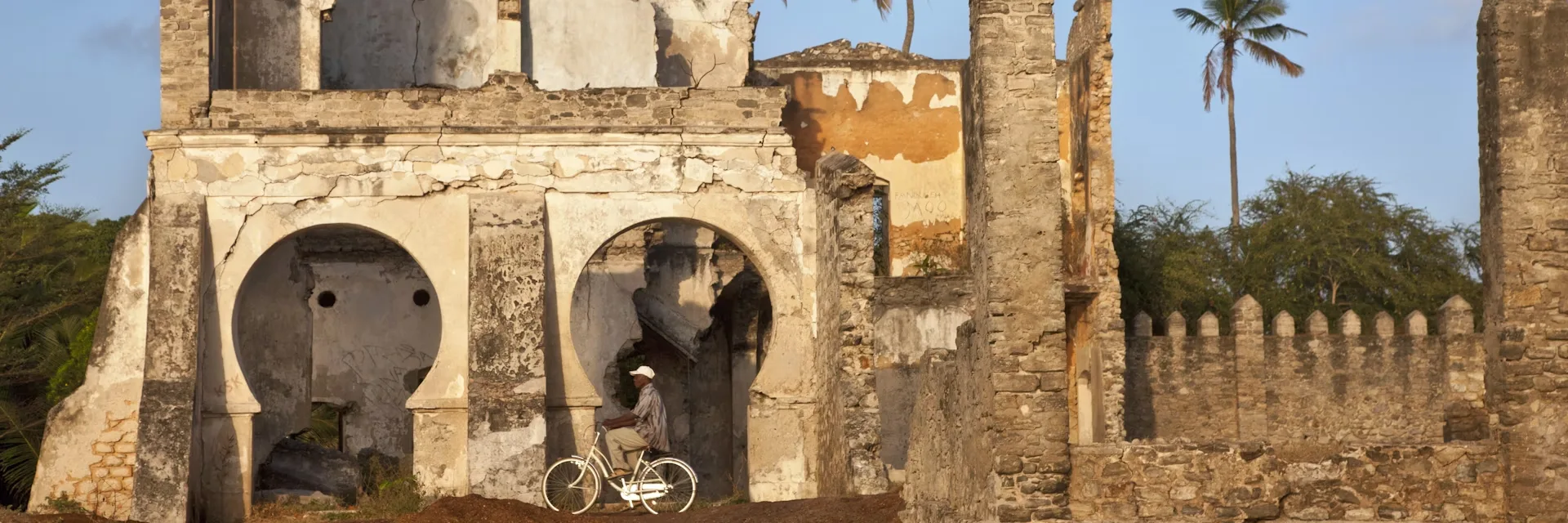
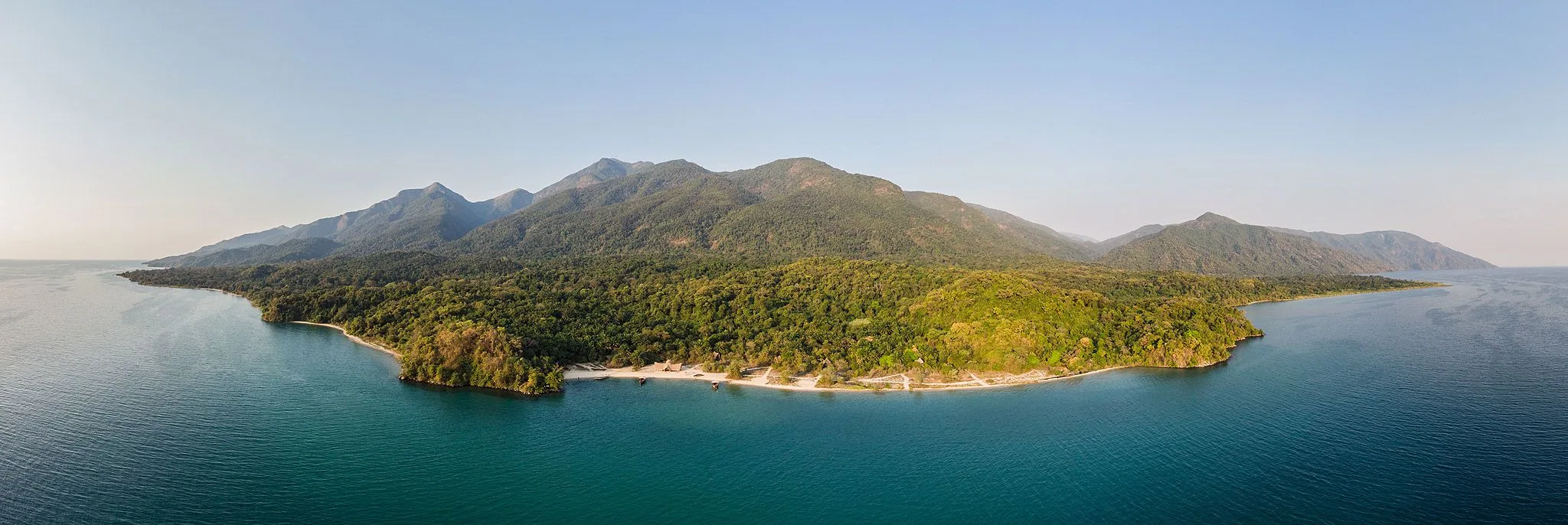
This morning marks a dramatic shift in your journey as you transfer to Arusha Airport for a short domestic flight to Zanzibar, trading dusty savannah trails for the spice-scented Indian Ocean breeze. The flight takes approximately one hour, offering aerial views of Mount Kilimanjaro on clear days and the turquoise shallows of the Zanzibar Channel as you approach the island. Upon landing at Abeid Amani Karume International Airport, a representative meets you and transfers you to your beachfront resort on the island's north or east coast. The drive passes through Stone Town, the UNESCO World Heritage old town that has been a crossroads of African, Arab, Indian, and European cultures for over a millennium. Narrow alleys wind between buildings adorned with intricately carved wooden doors, spice merchants display their wares in centuries-old market stalls, and the call to prayer mingles with the sounds of children playing in coral-stone courtyards. Arriving at your resort, the contrast with the bush camps of previous days could not be more complete. White sand stretches to the horizon, palm trees sway in the ocean breeze, and the water shifts from pale turquoise in the shallows to deep sapphire beyond the reef. Spend the remainder of the day settling in, swimming in the warm Indian Ocean, and beginning to decompress from the intensity of the wilderness days. A seafood dinner on the beach, with fresh lobster, grilled octopus, and tropical fruit under a canopy of stars, welcomes you to island life.
A full day of tropical indulgence awaits on Zanzibar's pristine coastline. Wake to the sound of waves lapping the shore and the distant calls of fish eagles patrolling the reef. After a leisurely breakfast overlooking the ocean, the day is entirely yours to fill as you please. The resort offers a range of optional activities for those who want to stay active: snorkeling excursions to the nearby coral reef reveal a kaleidoscope of tropical fish, sea turtles, and octopus among the coral formations. A spice tour visits the plantations that earned Zanzibar its historical name as the Spice Island, where you taste fresh cloves, vanilla, cardamom, cinnamon, and black pepper straight from the plant. Kayaking through the mangrove channels on the island's sheltered western shore brings you into a quiet world of crabs, mudskippers, and wading birds. For those who prefer relaxation, the resort's infinity pool overlooks the ocean, spa treatments use locally sourced coconut oil and seaweed, and hammocks strung between palm trees offer the perfect vantage point for watching traditional dhow sailboats glide along the coast as they have for centuries. As the tide retreats in the afternoon, exposing sandbanks that stretch hundreds of meters from shore, local women wade out to harvest seaweed in scenes that have defined Zanzibar coastal life for generations. A sunset dhow cruise is the ideal way to end the day, sailing past Stone Town's waterfront as the sky erupts in tropical color and dolphins surface alongside the boat.
Your final morning in Tanzania begins with sunrise over the Indian Ocean, the sky shifting from soft pink to blazing gold as fishing boats return with the night's catch. Enjoy a leisurely breakfast at the resort, savoring fresh tropical fruits, Zanzibar coffee, and the ocean view one last time. Depending on your flight schedule, there may be time for a final swim in the warm turquoise water or a walk along the beach to collect shells and coral fragments polished smooth by the tides. Your transfer to Abeid Amani Karume International Airport is arranged for a comfortable departure, with options for connecting flights via Dar es Salaam or direct international routes from Zanzibar. As you leave the island, the memories of the past nine days settle into a mosaic of extraordinary contrasts: the thundering Napuru Waterfalls surrounded by misty forest, the ancient baobab sentinels of Tarangire, the wildlife-packed floor of the Ngorongoro Crater, the surreal pink shores of Lake Natron, the timeless culture of the Hadzabe at Lake Eyasi, and the barefoot luxury of Zanzibar's white sand beaches. This is the complete Tanzania experience, a journey from wilderness to waterfront that reveals the full spectrum of what this remarkable country offers to those willing to look beyond the standard safari circuit.
What to Expect
Visual Journey
More Adventures

Experience the ultimate 12-day Tanzania journey blending thrilling wildlife safaris in Arusha National Park, Tarangire, …
Let us craft your dream safari. Contact our team today and we'll design a personalized itinerary just for you.