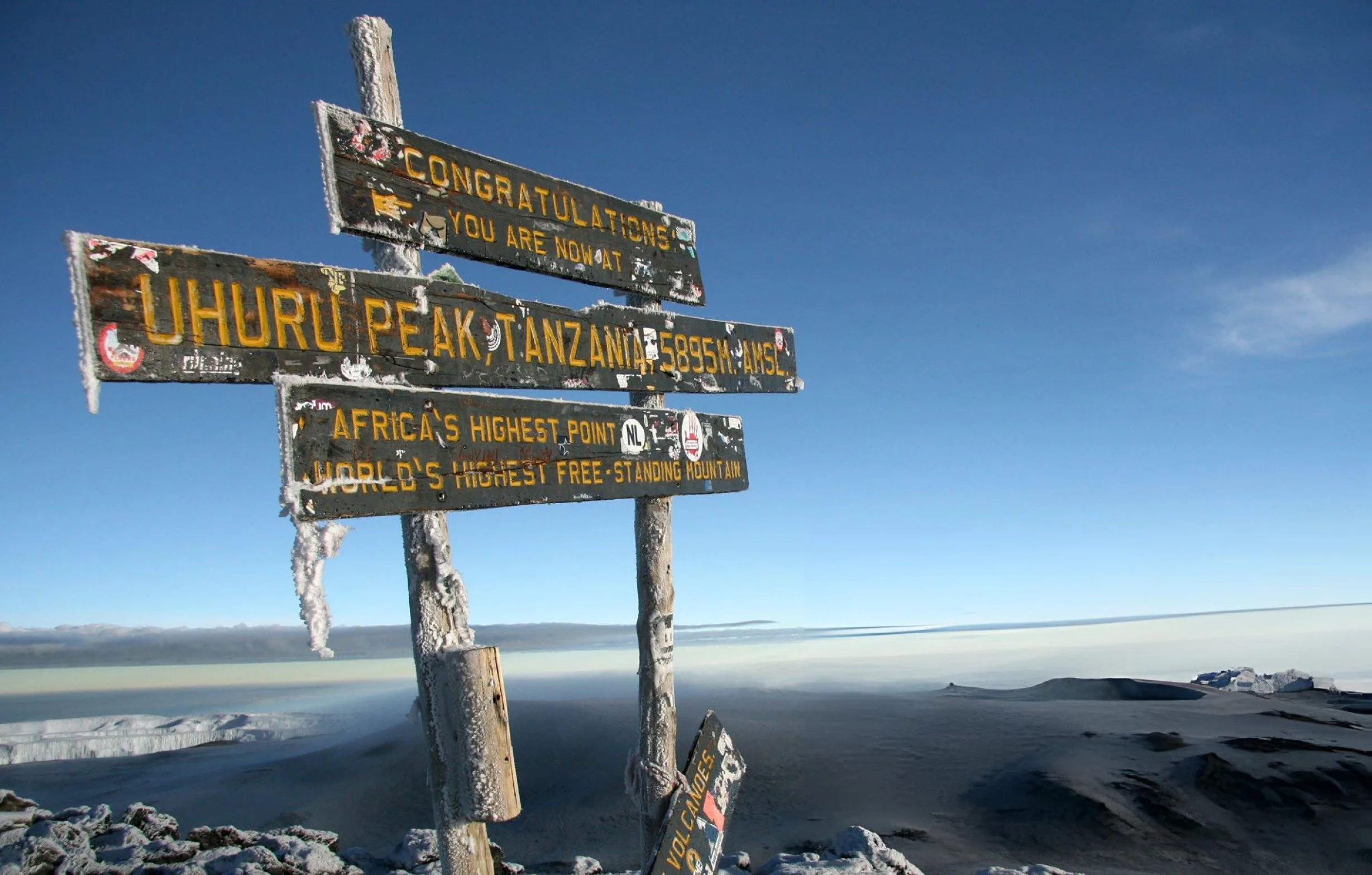

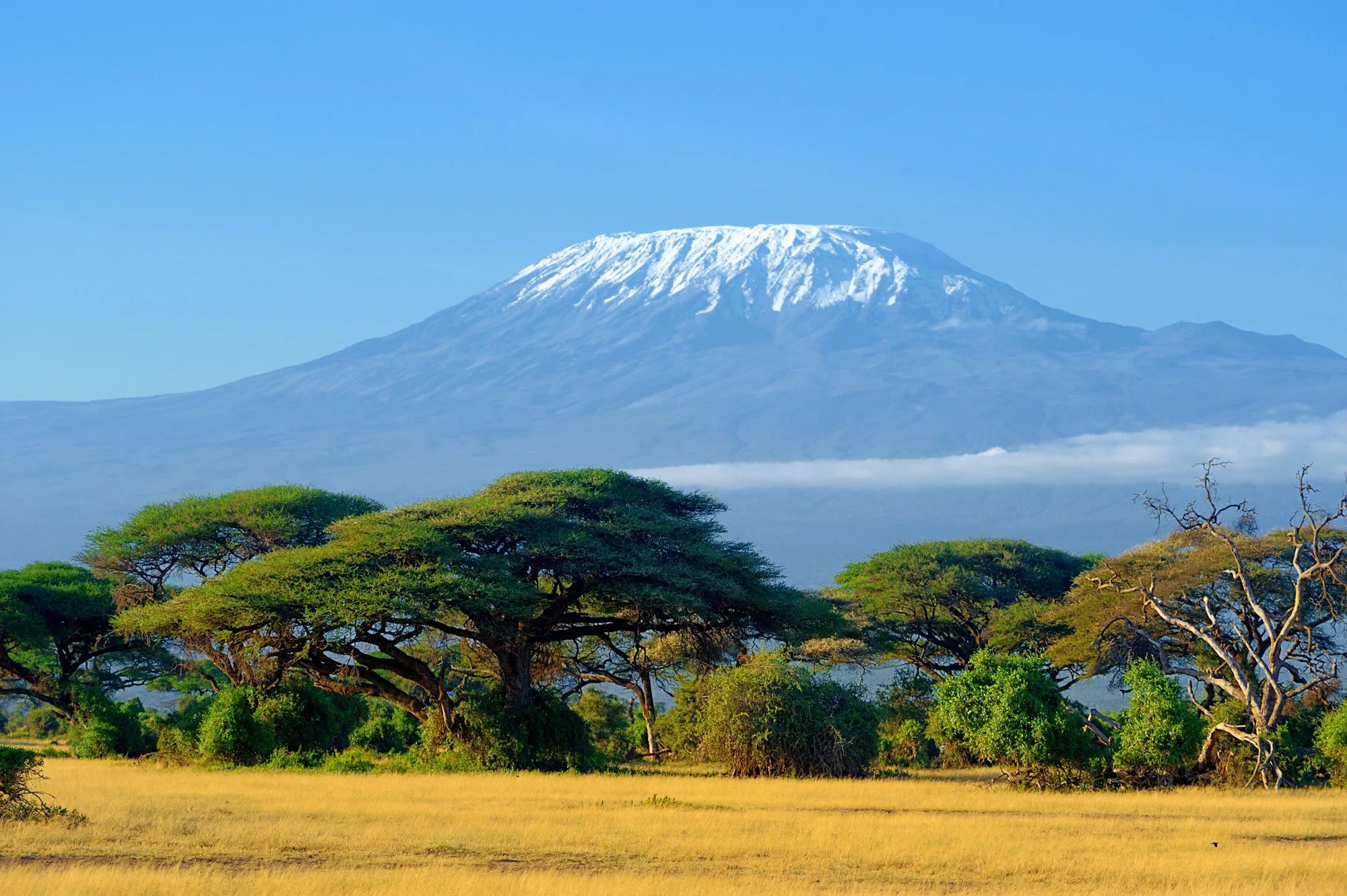
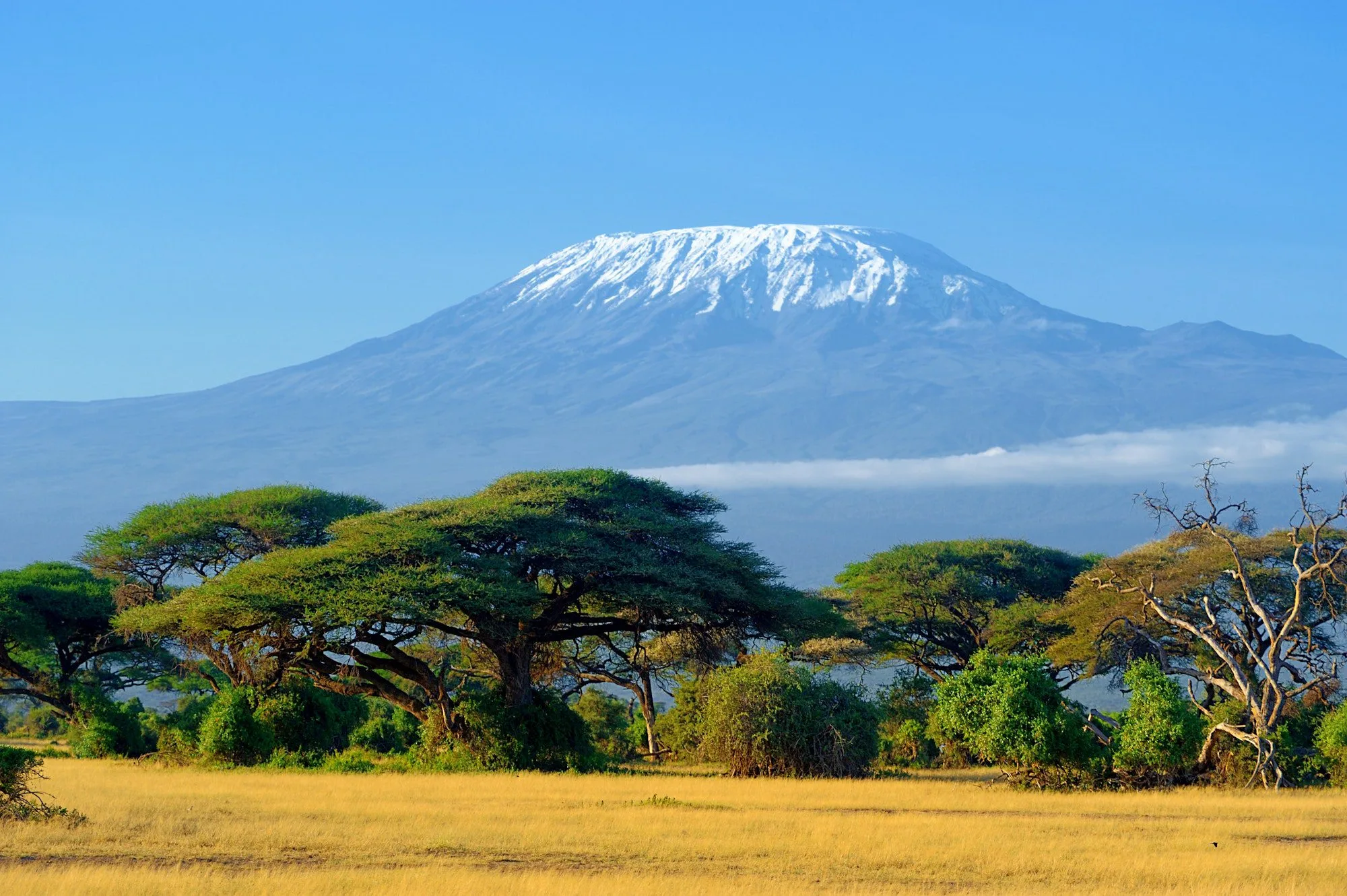
Kilimanjaro is unusual among the world's great peaks: at 5,895 metres it is the highest freestanding mountain on Earth and Africa's rooftop, yet no technical climbing skill, rope, or ice axe is required to stand on Uhuru Peak. What makes it hard is altitude, distance, and cold, not vertical rock — which is precisely why so many hopeful climbers underestimate it. In one trek you pass through five distinct climate zones, from the cultivated farmland and rainforest at the base, through heath and moorland, across an alpine desert that looks more like Mars than East Africa, and finally into the arctic ice-and-rock summit zone. Few journeys on the continent compress that much geography into a single week.
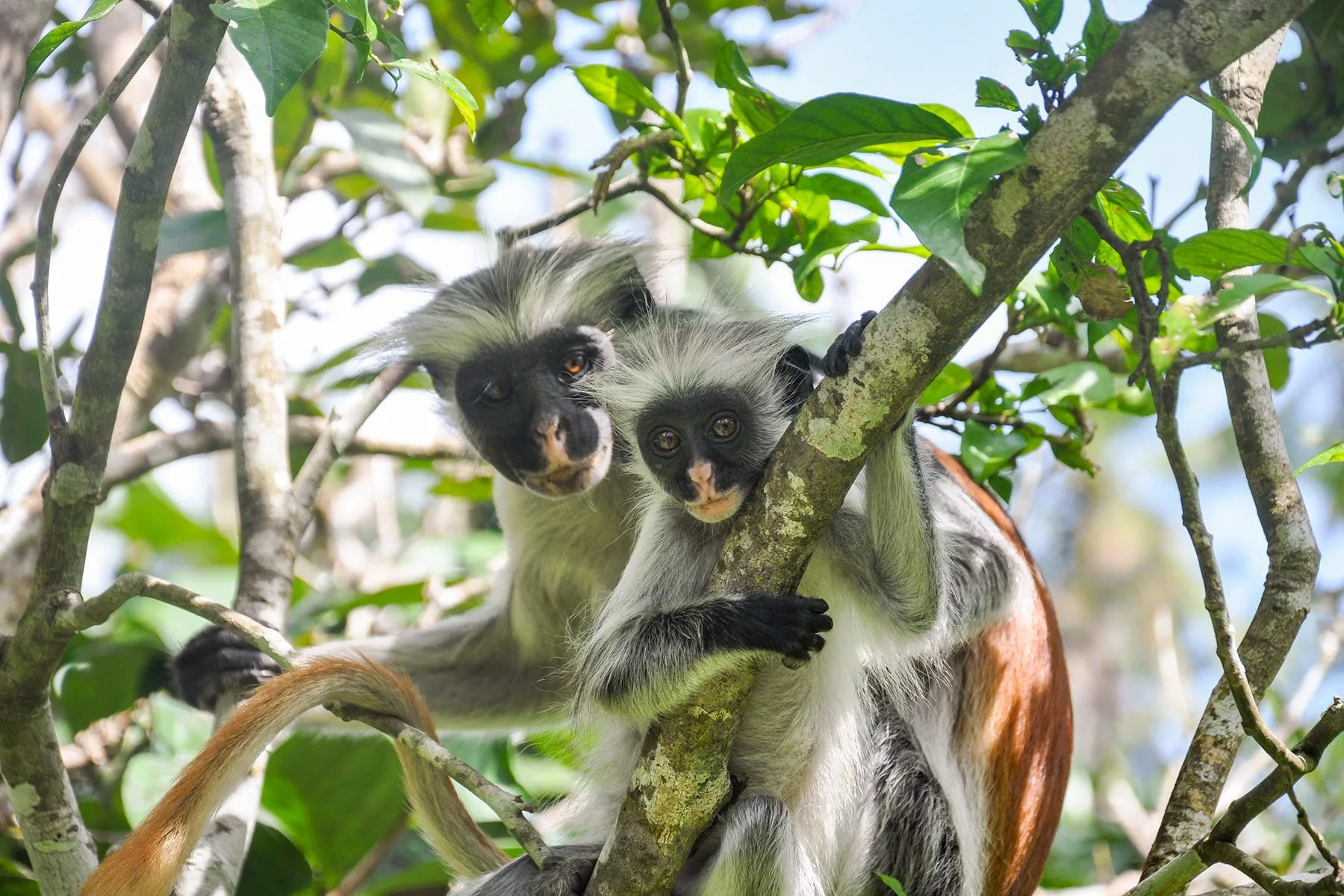
The mountain offers six established routes, and choosing the right one matters more than most first-time climbers realise. Marangu, the only route with sleeping huts instead of tents, is the shortest and most heavily trafficked, which also gives it one of the lowest summit success rates because it doesn't allow enough time to acclimatise. Machame — nicknamed the "Whiskey Route" for its steeper, more demanding character — is the most popular among trekking operators because its scenery is spectacular and its longer itineraries build in proper altitude adjustment. Lemosho and its close cousin the Northern Circuit approach from the quieter western side, trading a slightly longer walk in for far less crowding and some of the best wildlife and views on the mountain, including a genuine chance of spotting colobus monkeys in the rainforest. Rongai, the only route starting from the north near the Kenyan border, is drier and gentler underfoot, making it a good option in the shoulder seasons. Umbwe is the steepest and least travelled, generally reserved for very fit, previously acclimatised climbers.
Whichever route you choose, duration is the single biggest factor in whether you actually reach the summit — and whether you enjoy getting there. Independent research from the mountain's own park authority and multiple guiding outfits consistently shows that six-day itineraries have markedly lower success rates than eight- or nine-day treks on the same route. The reason is physiological: red blood cell production and the body's adjustment to reduced oxygen simply take time, and the mountaineering principle of "climb high, sleep low" — ascending during the day to a higher point before dropping back down to sleep — only works if the schedule allows for it. Paying for two or three extra days on the mountain is, without question, the best money a climber can spend on Kilimanjaro.
For travellers who want to stand on Africa's highest point without giving up every comfort, "climbing in style" has become its own category of Kilimanjaro trip. This doesn't mean helicopters or heated tents at 5,000 metres — the mountain doesn't allow that — but it does mean the difference a well-run camp makes: private toilet tents instead of shared pit latrines, sturdier four-season sleeping tents with proper porches, a dedicated mess tent with tables and chairs rather than eating standing up, a camp chef producing hot, varied meals three times a day, and a larger, better-trained crew so guides can focus on your pace and safety rather than logistics. Many operators also build in acclimatisation days at key camps and carry supplemental oxygen and a pulse oximeter as standard safety equipment, checking your blood oxygen levels every morning and evening. None of this shortens the climb, but it meaningfully improves both comfort and safety margins on a mountain where fatigue and cold are the real adversaries.
Fitness matters, but not in the way people expect. You don't need to be a marathon runner or a technical mountaineer — you need to be able to walk for six to eight hours a day, several days in a row, at a slow and steady pace ("pole pole," as Tanzanian guides say constantly, and for good reason). Hill walking, stair training, and long day hikes in the months before your trip are far more useful preparation than gym sessions alone. Packing is equally important: a proper layering system for temperatures that swing from over 30°C at the base to well below freezing on summit night, broken-in waterproof boots, a warm sleeping bag rated to at least -15°C, and trekking poles to protect your knees on the long descent are the items that make or break a summit night.
By Tanzanian law, every climber must be accompanied by a licensed guide, and porters carry the bulk of camp equipment — a system that also supports thousands of local livelihoods on the mountain. It's worth choosing an operator that pays porters fairly and provides them with proper gear, food, and shelter; porter welfare varies enormously between companies and directly affects the experience and safety of everyone on the mountain. Kilimanjaro National Park fees, camping or hut fees, and a rescue fee are built into every legitimate operator's price and go toward conservation and mountain rescue services — a useful thing to ask about when comparing quotes that otherwise look identical on paper.
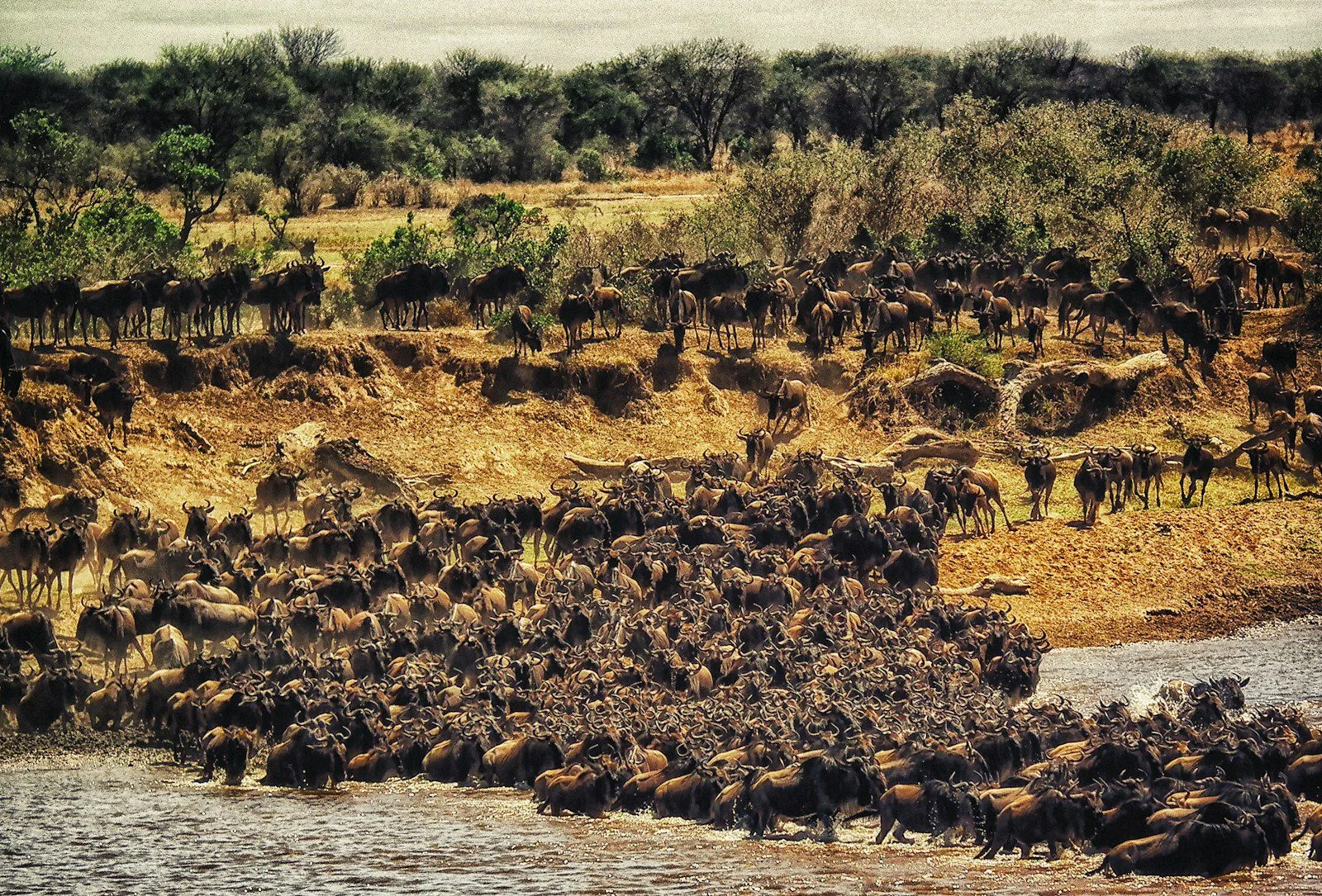
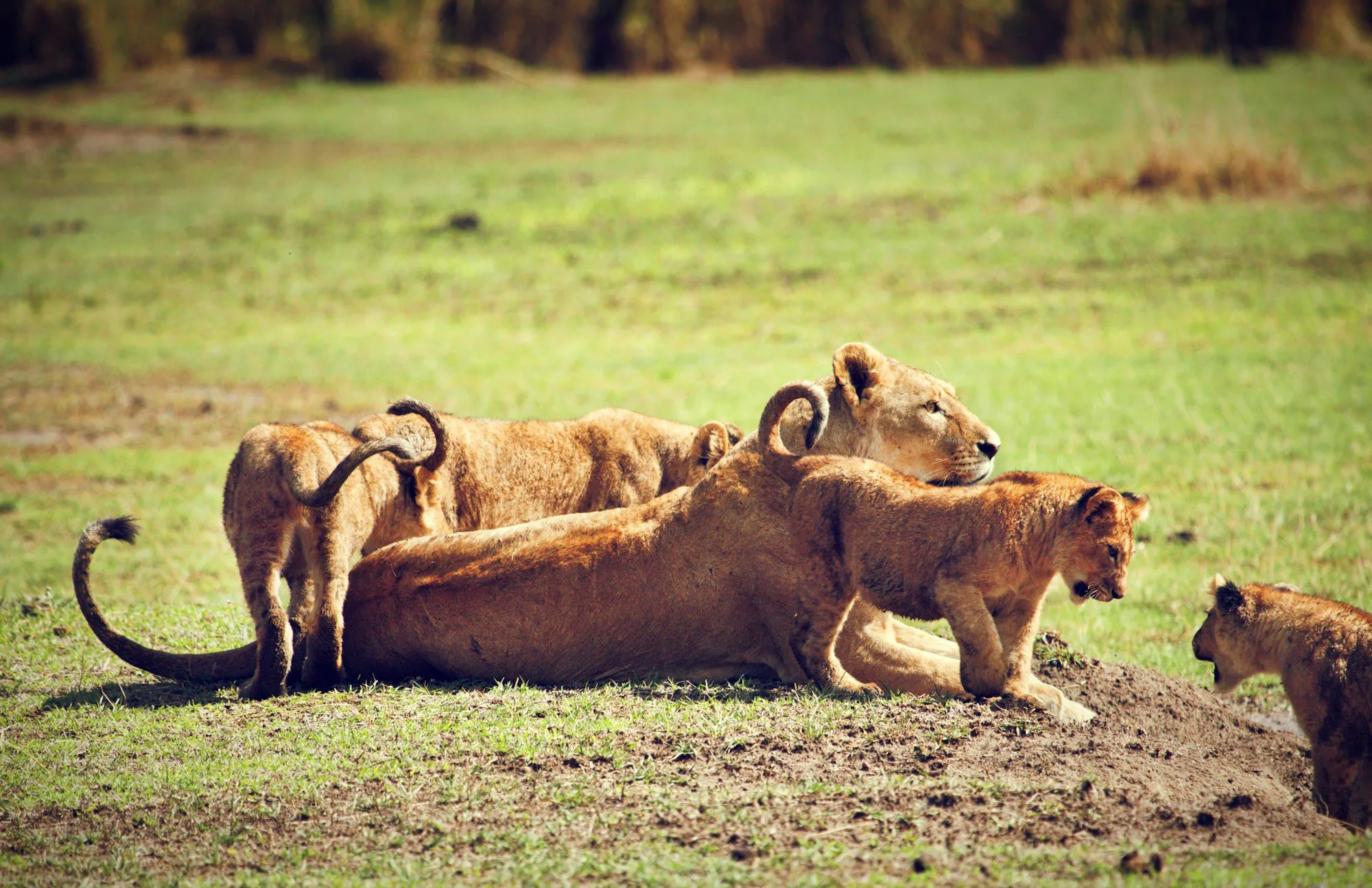
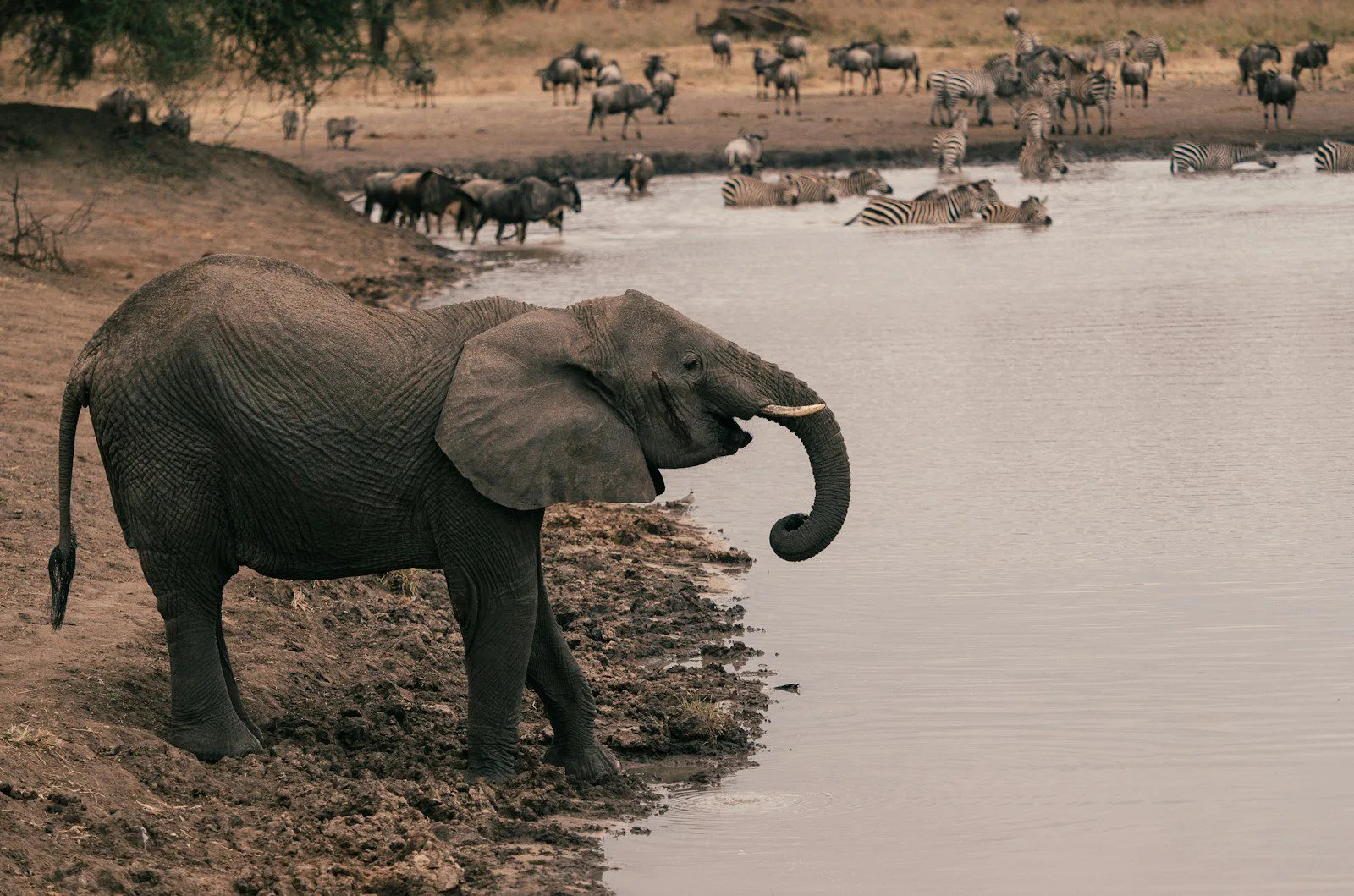
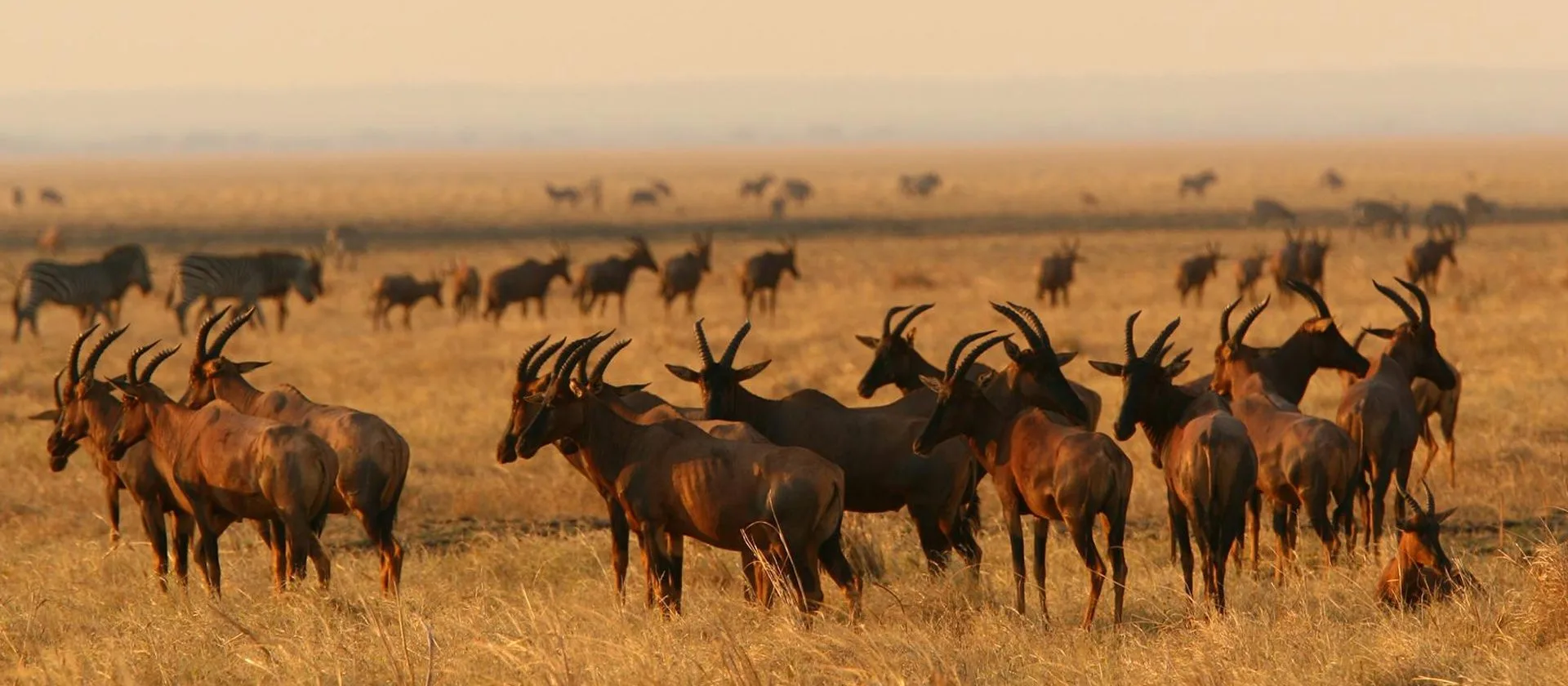
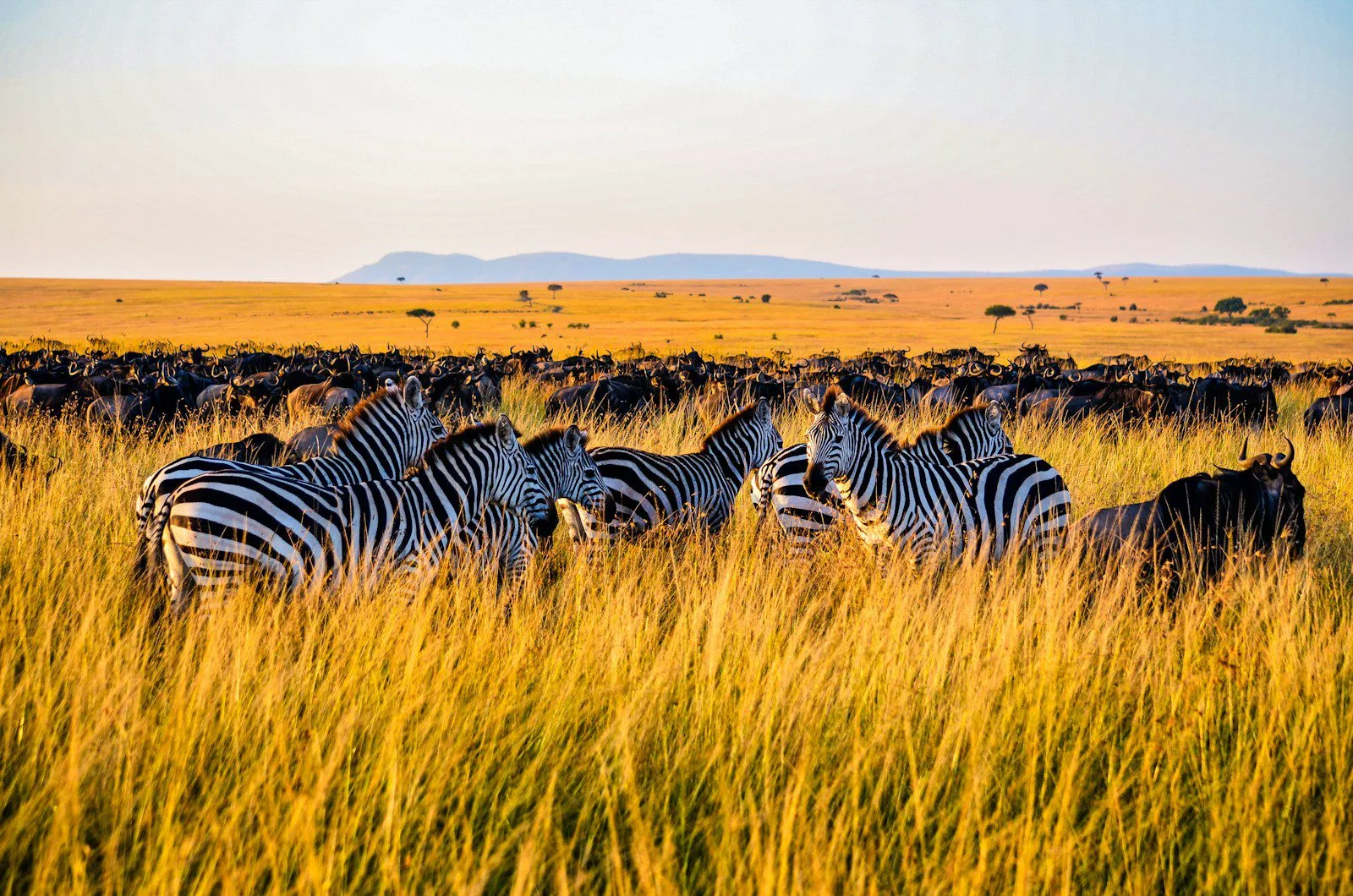
Because Kilimanjaro sits within a day's drive of Arusha and Moshi, it pairs naturally with the rest of a northern Tanzania itinerary. Many climbers summit first and then head straight into the Serengeti and Ngorongoro Crater for a few days of game drives, using the lower altitude and soft beds to recover while still soaking in Tanzania's wildlife. Others prefer to fly on to Zanzibar afterward, trading thin mountain air for warm Indian Ocean water and several days of doing absolutely nothing — arguably the best-earned beach holiday in Africa. Either way, budgeting a couple of unstructured days after the descent, rather than flying home the next morning, makes a real difference to how the whole trip is remembered.
Ultimately, Kilimanjaro rewards patience more than raw fitness. The climbers who summit happiest are rarely the strongest ones in the group — they're the ones who chose a longer route, listened to "pole pole," ate and drank enough at altitude, and trusted a well-organised, well-staffed team to manage the mountain's genuine risks. Get those fundamentals right and Uhuru Peak, with its glacier remnants and sunrise views stretching across the Kenyan plains, is well within reach for most reasonably fit travellers.
